Your home energy bill just arrived, and something just doesn’t look right. No one likes a high bill, so we’re here to help you get to the bottom of it.
As an Alberta resident, you might’ve noticed that your recent home energy bill is higher than what you’re used to. Some factors, like how much energy you use, are mostly within your household’s control, while others are due to external factors you can’t control.
Read on to learn about all the factors that affect energy prices — and ways you can save.

Why is my energy bill so high?
Your home energy bill just arrived, and something just doesn’t look right. No one likes a high bill, so we’re here to help you get to the bottom of it.
As an Alberta resident, you might’ve noticed that your recent home energy bill is higher than what you’re used to. Some factors, like how much energy you use, are mostly within your household’s control, while others are due to external factors you can’t control.
Read on to learn about all the factors that affect energy prices — and ways you can save.
Usage period charges
If your billing period is longer than usual, your total will naturally be higher. Remember, not all months have the same number of days, and this can affect your bill. Also, there may be times when the distribution company adjusts the dates slightly when they read your meter.
You should check the date range mentioned under your electricity or natural gas charges. If it's more than the usual 30 days, that could be why your bill is higher.
Bill payment history
Sometimes the cause is simply a prior unpaid or unposted payment.
- Check the “Balance Forward” line on your current statement. It will show a total of $0 if your last bill was paid in full.
- Late fees or corrections can also add to the current bill.
Statement corrections
If your previous consumption was estimated and then audited, a correction may appear. That means you might have been undercharged (or overcharged) earlier and the correction is coming through now.
Supply and demand
Energy isn’t exempt from basic economics: when supply is low and demand is high, prices go up.
- In Alberta, extreme cold spikes heat usage and strains supply lines.
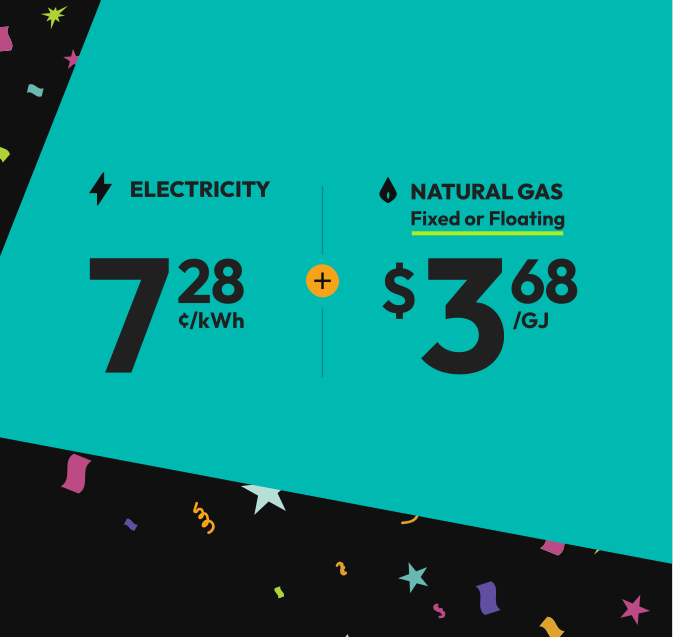
- If you’re on a floating rate plan, you’ll feel this more strongly since your rates fluctuate with the market.
- If you prefer more predictability on your energy bills, a fixed rate plan might be a better fit.

Seasonal usage
Winter energy bills
In addition to historically low temperatures and high prices due to supply, the winter months are an expensive time for energy consumption. Here's why:
- More heat required - It takes more energy to keep your home warm when outdoor temperatures are far below freezing.
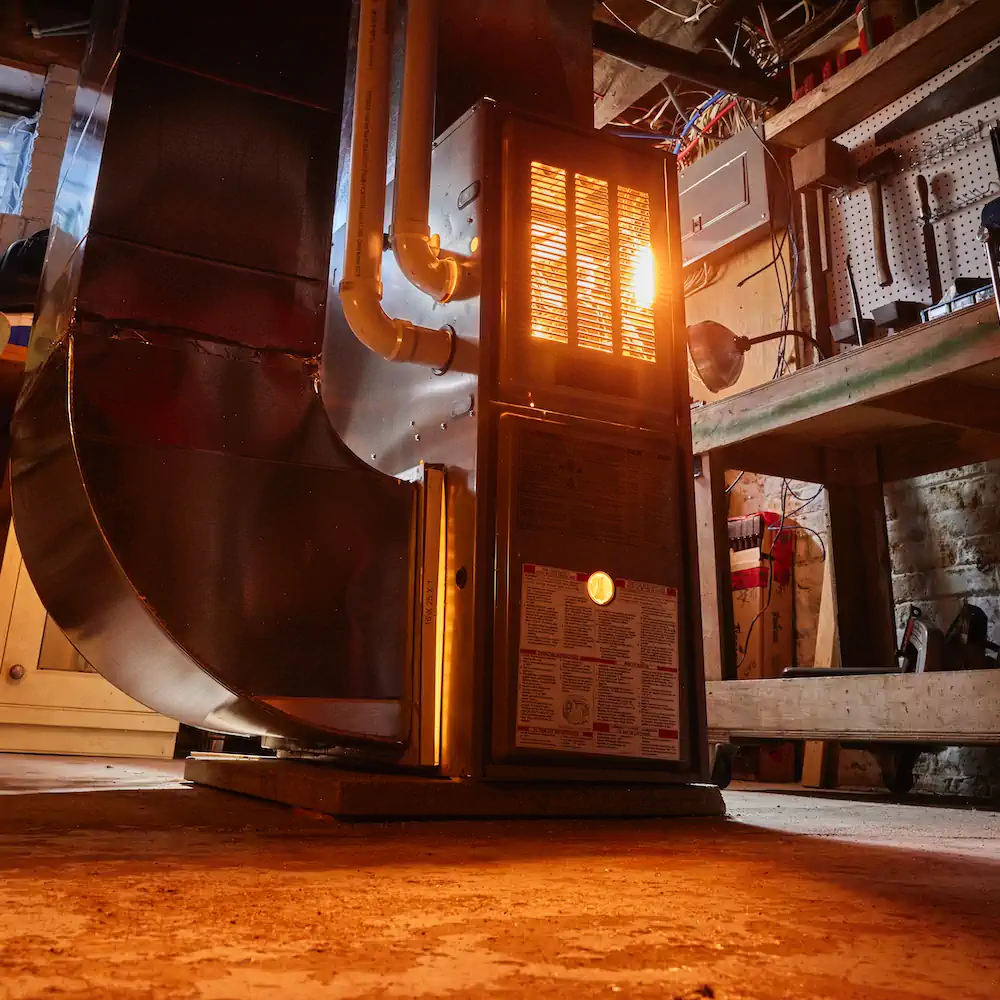
- Higher thermostat settings - If you like your home extra cozy, your furnace works harder and longer to maintain that temperature.
- Limited renewable supply - Wind turbines often underperform in extreme cold, which reduces overall provincial supply.
- Increased community demand - As everyone cranks up the heat, system-wide demand spikes, driving prices up.
- Holiday extras - Festive lighting, cooking, and hosting guests can bump up consumption during the holidays.
Winter energy savings tips:
- Shorten hot showers and reduce dryer loads.
- Limit holiday light displays to evening hours.
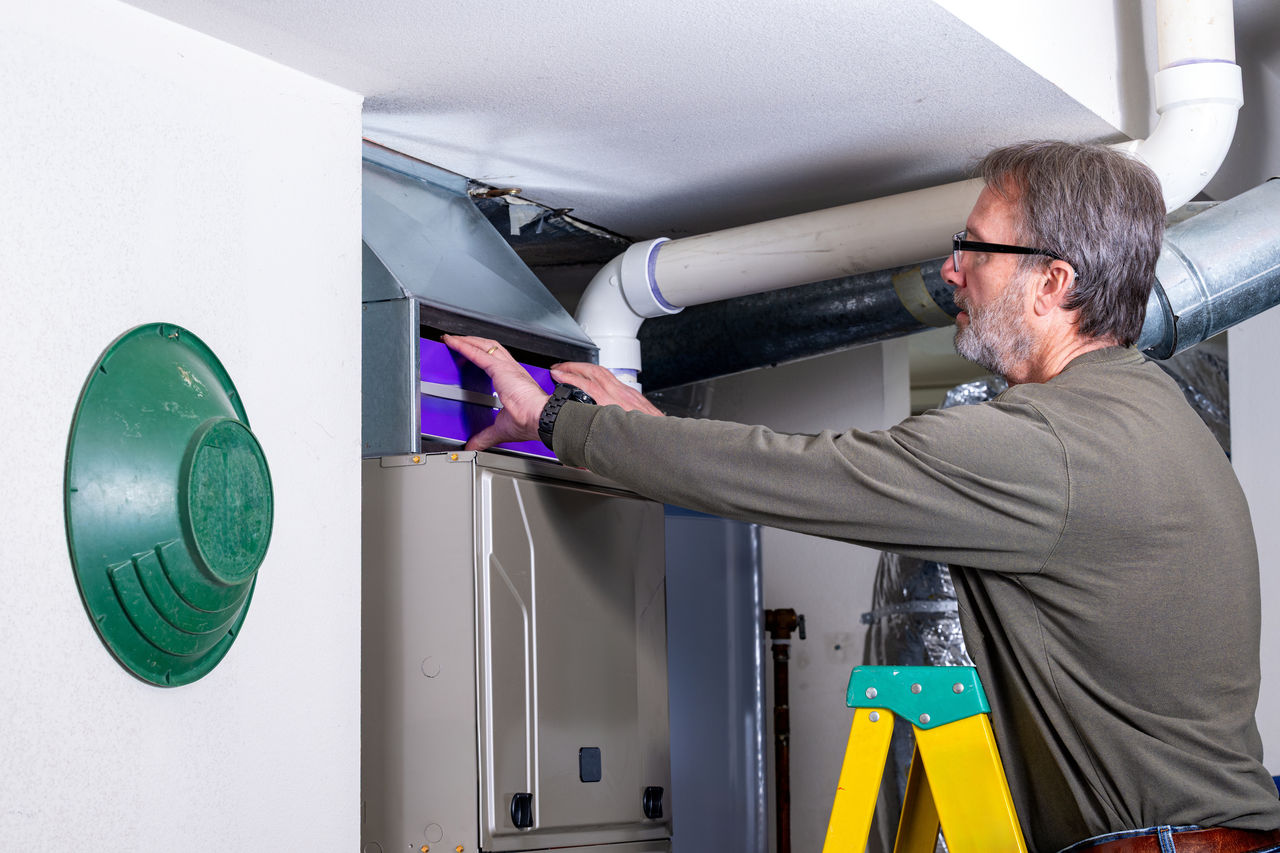
- Schedule annual furnace tune-ups for peak efficiency.
Want more tips? Read our guide to reducing your energy bill in winter.

Summer energy bills
Hot summer temperatures can be just as disruptive to energy prices as cold winters. Rising temperatures can push energy use to record highs.
- Air conditioning use - More Albertans are installing and running A/C units, a major power draw.
- Extra appliances - Hot tubs, dehumidifiers, and patio heaters all add to total consumption.
- Lower wind generation - Calm summer days reduce wind power output, tightening electricity supply.
- Heat wave demand - When everyone’s cooling their homes at once, market prices rise sharply.
Summer energy savings tips:
- Use fans over A/C.
- Clean or replace air filters regularly for better airflow.
- Unplug outdoor heaters or décor lighting when not needed.
Looking for more ways to save? Check out our guide to lowering your energy bill in summer.
What are all the other fees on my Alberta energy bill?
Energy bills in Alberta include a few additional costs beyond the energy you use. These fees help maintain the power grid, deliver energy to your home, and cover regulated service costs.
Common examples include:
- Local/municipal access fees
- Government charges
- Rate riders
- Distribution & Transmission (D&T) charges
- Administration fees
These charges will be identical regardless of your energy provider, as all companies are required to include them in their bills. It’s important to note that these fees are regulated by the provincial body, placing them beyond our control.
While no one loves an extra fee, these expenses help keep your energy services running smoothly. Check out our blog to learn more about the fees on your bill.

What can I do to reduce future bills?
A big part of your bill depends on where you live, your local distributor, nearby infrastructure, and even how many neighbours share the same energy resources.
While you can’t control those factors, you can take steps to lower what you use and how you’re billed.
Improve home energy efficiency
Energy inefficiencies can account for around 9% of your annual energy costs, so it’s always worth investing in appliances and renovations that can make your home more efficient.
Here are some home energy-efficiency tips that can help you save:
- Identify power-hungry appliances. Check which electronics use the most electricity and limit unnecessary use.
- Unplug small appliances and gadgets when not in use. Even when switched off, plugged-in electronics drain small amounts of electricity over time, which adds up over time.
- Turn off unnecessary lights and switch to LEDs or smart lighting where possible.
- Prioritize energy efficiency when buying new appliances. ENERGY STAR certified appliances reduce greenhouse gases, use less water and help you save on your energy bill.
- Working in a home office? Choose lighting that is comfortable and cost-saving with our guide to energy-efficient home office lighting.
- Wash laundry on cold. It protects fabric and saves the energy used to heat water
- Clothes dryers are some of the biggest energy-draining culprits! Air dry wet laundry whenever possible to save.
- Complete home maintenance as needed. That means prioritizing maintenance that improves energy efficiency, like getting your dryer vents cleaned annually and fixing that leaky tap
Not sure who to call? The pros at ATCO Energy Home Services can help with maintenance, cleaning and energy efficiency—including renewable energy solutions.