In Alberta, winter has a way of finding every weak spot in a home. Tiny gaps you never noticed in summer suddenly matter. Rooms that feel cozy in November start feeling chillier by February. And somehow, your energy bill climbs even though you haven’t changed a thing in your home.
That’s heat loss at work.
The good news is that most heat loss issues are common, fixable, and not a sign that anything is wrong with your home. They’re just part of how houses age and how winters here behave.
What is heat loss?
Heat loss happens when warm air inside your home escapes faster than your heating system can replace it.
Warm air naturally moves toward colder areas. In winter, that means heat is constantly trying to leave your home through the roof, windows, doors, and any tiny openings it can find.
When heat escapes, your furnace must work harder to keep your home comfortable, and that shows up on your energy bill.
Why heat loss is a problem
A little heat loss is normal. A lot of it is where frustration starts.
Common impacts include:
- Rooms that never quite warm up
- Cold floors or walls near the outside of the house
- Drafts that seem to come from nowhere
- A furnace that feels like it’s always on
- Energy bills that don’t match how comfortable your home feels
None of this means your heating system is failing. It usually means your home is working against it.
The most common heat loss hotspots
You don’t have to search everywhere to find heat loss. Most homes lose warmth in the same key areas.
Attics and roofs
Warm air naturally moves upward, which puts your attic and roof at the top of the list for heat loss. If insulation is thin, uneven, or outdated, heat escapes quickly, especially during long cold snaps.
Windows
Older windows are a common trouble spot. Even when they’re closed, cold glass pulls heat out of the room. That’s why sitting near a window can feel chilly, even if the thermostat says otherwise.
Doors
Doors see a lot of wear and tear. Over time, weatherstripping compresses, gaps form, and small drafts creep in, especially around exterior doors and doors connected to garages.
Walls, floors, and small gaps
These are the places most people don’t think about. Electrical outlets, plumbing openings, and attic access points don’t look like problem areas, but they’re common paths for heat to slip through.
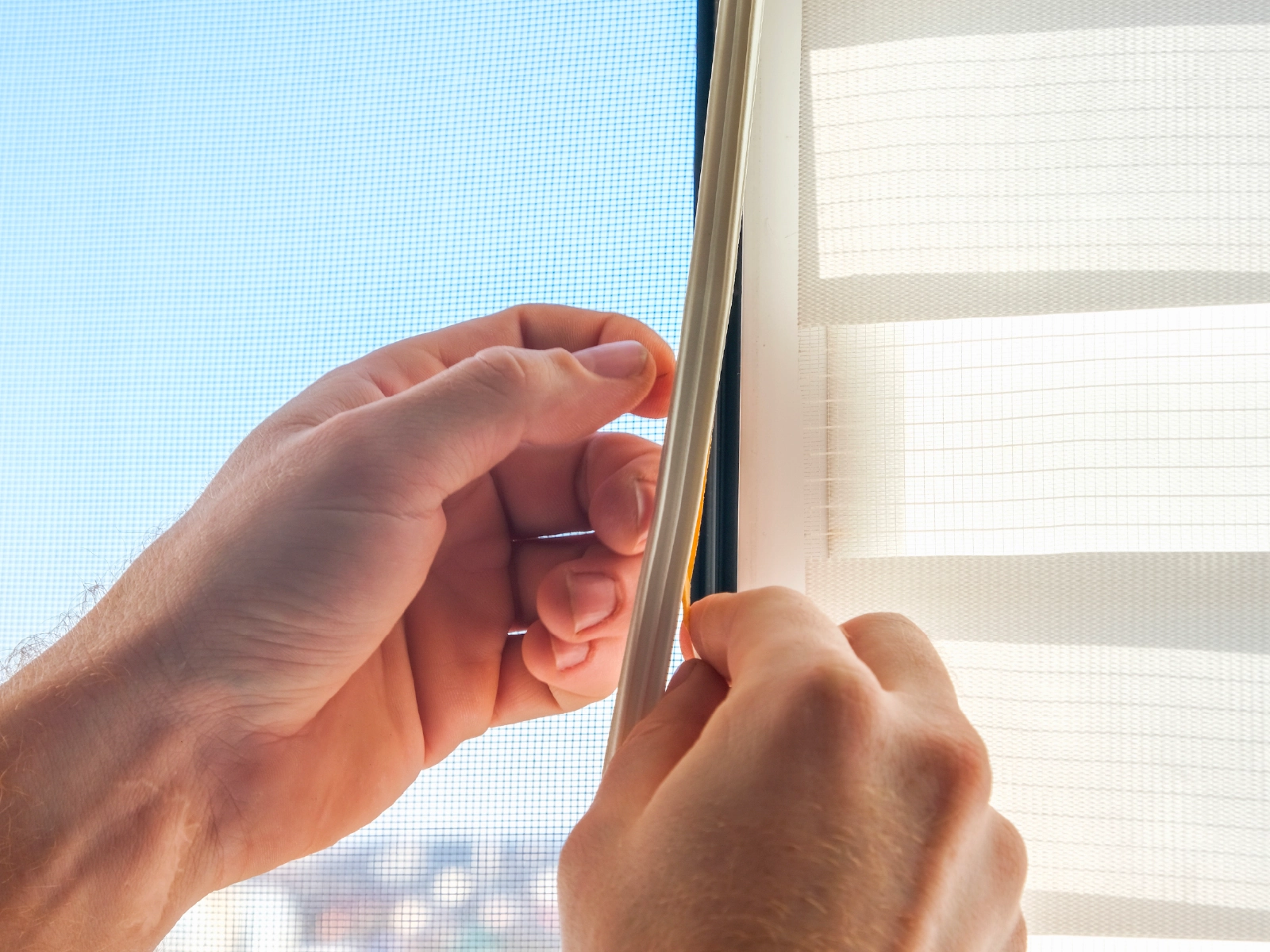
Simple DIY fixes to help with heat loss
Not every heat loss fix requires tools, permits, or a renovation budget. Some of the most effective improvements are small, inexpensive, and easy to tackle in an afternoon.
Seal air leaks around windows and doors
On a cold day, run your hand slowly around window frames and door edges. If you feel cold air, that’s your target.
How to do it:
- For small cracks or gaps, use a paintable exterior or interior caulking. Apply a thin, steady bead along the gap and smooth it with your finger or a caulking tool.
- For moving parts, like door frames or window sashes, use adhesive weatherstripping instead of caulking so the window or door can still open and close properly.
This doesn’t take long, but it can noticeably reduce drafts right away.
Replace worn weatherstripping on doors
Open the door and inspect the rubber or foam strip around the frame. If it’s flattened, cracked, or peeling away, it’s no longer doing much to retain heat.
How to do it:
- Peel off the old weatherstripping
- Clean the surface so the new strip sticks properly
- Press new adhesive-backed weatherstripping firmly into place
- Close the door and check for resistance—it should feel snug but not hard to shut
Add door sweeps or draft blockers
This is one of the fastest ways to stop cold air from creeping in. If you feel cold air near the bottom of a door, especially one leading to a garage or outside, start here.
How to do it:
- Measure the width of the door
- Install a door sweep along the bottom edges so it lightly touches the floor
- For a quick fix, place a draft blocker or rolled towel along the base of the door
Install temporary window insulation films
For older or drafty windows, insulation films can help during winter. It’s removable, affordable, and surprisingly effective for reducing drafts.
How to do it:
- Clean the window frame
- Apply double-sided tape around the perimeter
- Stretch the plastic film over the frame and secure it
- Use a hair dryer to tighten the film so it’s clear and smooth

When bigger home upgrades make more sense
When heat loss is happening behind walls, above ceilings, or through aging materials, professional upgrades are often the most effective way to improve comfort long-term.
These solutions focus less on managing drafts and more on stopping heat from escaping in the first place.
Window replacement
If you’ve sealed around your windows, but rooms still feel cold near the glass, the issue is often the window itself.
Over time, window seals can fail and frames can lose their tight fit. Even if a window looks fine, it may no longer insulate effectively. Newer windows are built to slow heat transfer and reduce cold spots, making rooms feel more balanced without constantly adjusting the thermostat.
Exterior door replacement
Doors are another area where DIY fixes eventually reach their limit.
If weatherstripping has been replaced but drafts persist, the door itself may no longer seal or insulate properly. This is especially common for doors connected to garages, where cold air pressure differences are more noticeable.
A properly installed, insulated door helps reduce heat loss at key entry points and can make nearby rooms feel noticeably warmer.
Attic insulation upgrades
Because heat rises, the attic often plays a bigger role in heat loss than homeowners expect.
In many homes, insulation has settled unevenly or no longer meets today’s standards. This allows warm air to escape upward, making the entire house harder to heat — not just one room.
Upgrading attic insulation helps keep heat where it belongs and improves temperature consistency throughout the home.
Roof replacement
A roof doesn’t just protect your home from the elements—it also affects how well your home holds heat.
Damaged shingles, aging roofing materials, or ventilation issues can all contribute to heat loss and moisture problems, which in turn affect comfort indoors.
A roof replacement can support better insulation performance and help prevent heat from escaping through the top of the home.
Expert support when you need it
Preventing heat loss isn’t about doing everything at once. It’s about understanding how your home behaves in winter and making improvements that help it hold onto warmth a little better each year.
If larger upgrades are part of your plan, ATCO Energy can help connect you with trusted home services, so you can focus on the changes that make the biggest difference in your comfort.
Heat loss FAQs for Albertan homeowners
My house is newer. Can it still have heat loss issues?
Yes. Even newer homes can experience heat loss due to settling insulation, poorly sealed openings, or builder-grade windows and doors that prioritize cost over performance.
Do I need to wait until spring or summer to address heat loss?
Not necessarily. Some upgrades can be done year-round, and winter is often when heat loss issues are easiest to identify because you can feel them.
Are window replacements worth it?
It depends on the age and condition of your current windows. If they’re older, drafty, or constantly fogging, replacement often delivers heat loss prevention and comfort improvements you’ll notice right away.
Should I upgrade everything at once?
No. Many homeowners spread upgrades over time based on budget and priorities. Starting with the areas causing the most discomfort is usually the smartest approach.
How do I know which upgrade to start with?
If you’re unsure, a professional assessment helps pinpoint where heat loss is happening most, so you can focus your budget where it matters.