


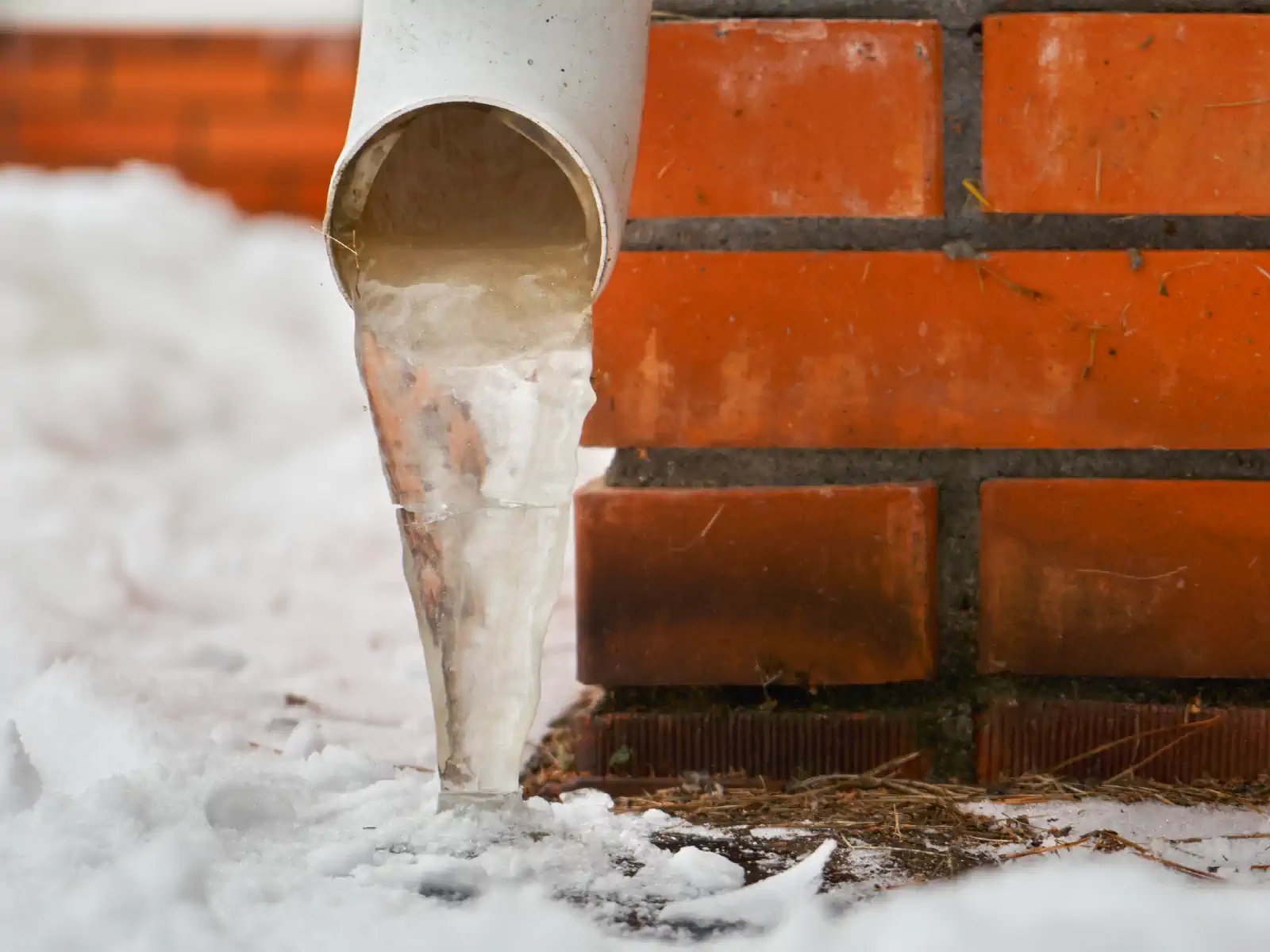
Alberta winters can be unforgiving. When temperatures drop quickly and stay cold for days, frozen pipes become a real risk for homeowners. One severe cold snap is all it takes to turn a small issue into major water damage and expensive repairs.
This guide breaks down why pipes freeze, what can happen if you are not prepared, and the simple steps you can take to protect your home. We will also cover when to call a plumber and why reliable energy service matters when temperatures plunge.
A real Alberta winter scenario
Picture this.
It is late January in Alberta. Overnight temperatures drop to around minus 35°C. The wind is howling. A homeowner heads out of town for the weekend and turns the heat down to save a bit of money. No one checks in on the house.
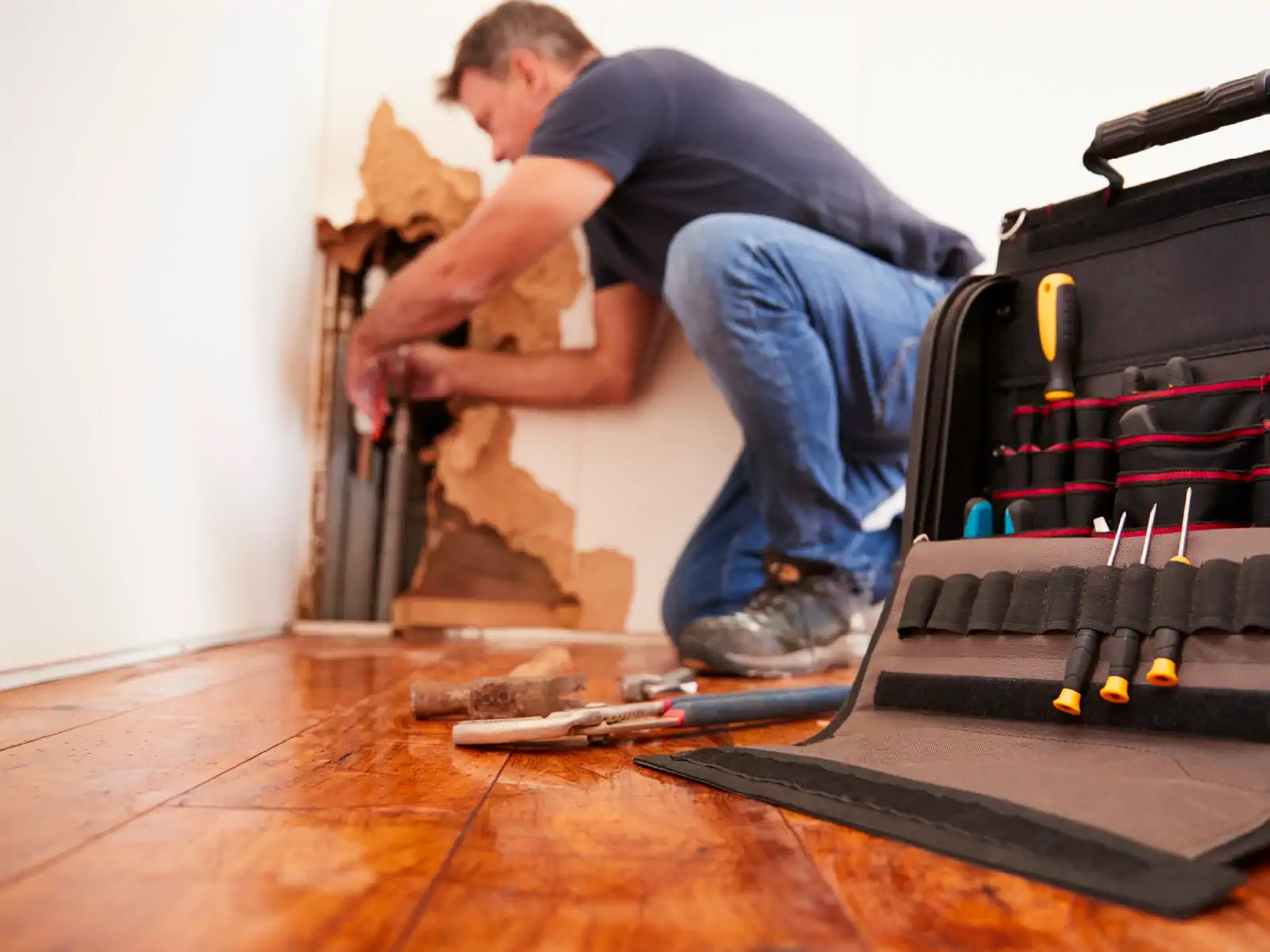
Sometime that night, a pipe running along an exterior basement wall freezes solid. When temperatures rise slightly and the pipe starts to thaw, it splits. Water runs for hours before anyone notices.
By the time the homeowner returns, the basement is soaked. Drywall and flooring are ruined. There is a real risk of mold. Even with insurance, the deductible alone costs thousands of dollars. The family cannot live in the home while repairs are underway.
This kind of damage is far more common during Alberta cold snaps, and in many cases, it is preventable.
Why pipes freeze in Alberta homes
Pipes freeze when the water inside them drops below 0°C. Alberta’s long cold stretches and sudden temperature swings make this a frequent winter problem.
Pipes are most likely to freeze when they are:
- Installed near exterior walls
- Located in unheated or poorly heated spaces like basements, crawl spaces, garages, or seasonal cabins
- Not properly insulated
- Exposed to cold air drafts
When water freezes, it expands. That expansion increases pressure inside the pipe. The pipe often fails as it freezes or when it begins to thaw.
The true cost of frozen pipes
Many homeowners think the main expense is fixing a broken pipe. In reality, the pipe repair is often the smallest cost.
Frozen or burst pipes can lead to:
- Water damage to walls, ceilings, and floors
- Mold growth if moisture is not dried quickly
- Damage to electrical systems and appliances
- Loss of furniture and personal belongings
- Time away from your home during repairs
- Potential increases to insurance premiums after a claim
In Alberta, severe water damage from frozen pipes can easily reach tens of thousands of dollars, depending on how long the leak goes unnoticed.
How to prepare for frozen pipes before extreme cold hits
A little preparation goes a long way. These proven steps can greatly reduce your risk.
Keep your home warm
Set your thermostat to at least 15°C, even if you are away. Do not turn the heat off completely during winter. Consistent indoor heat helps protect pipes throughout your home.
Reliable energy matters most during extreme cold. When demand is high and temperatures are low, you want an energy provider you can count on. ATCO Energy offers dependable service and competitive rates to help keep your home warm when it matters most.
Insulate exposed pipes
Add foam pipe insulation to pipes in basements, crawl spaces, garages, and utility rooms. Pipe insulation is affordable and easy to install, and it can make a big difference during cold snaps.
Pay extra attention to pipes near exterior walls.
Seal air leaks
Cold air drafts can freeze pipes quickly, even in heated homes.
Seal gaps around:
- Windows and doors
- Foundation cracks
- Areas where pipes enter the home
Caulking and weather stripping help block cold air and keep warm air inside.
Let taps drip during extreme cold
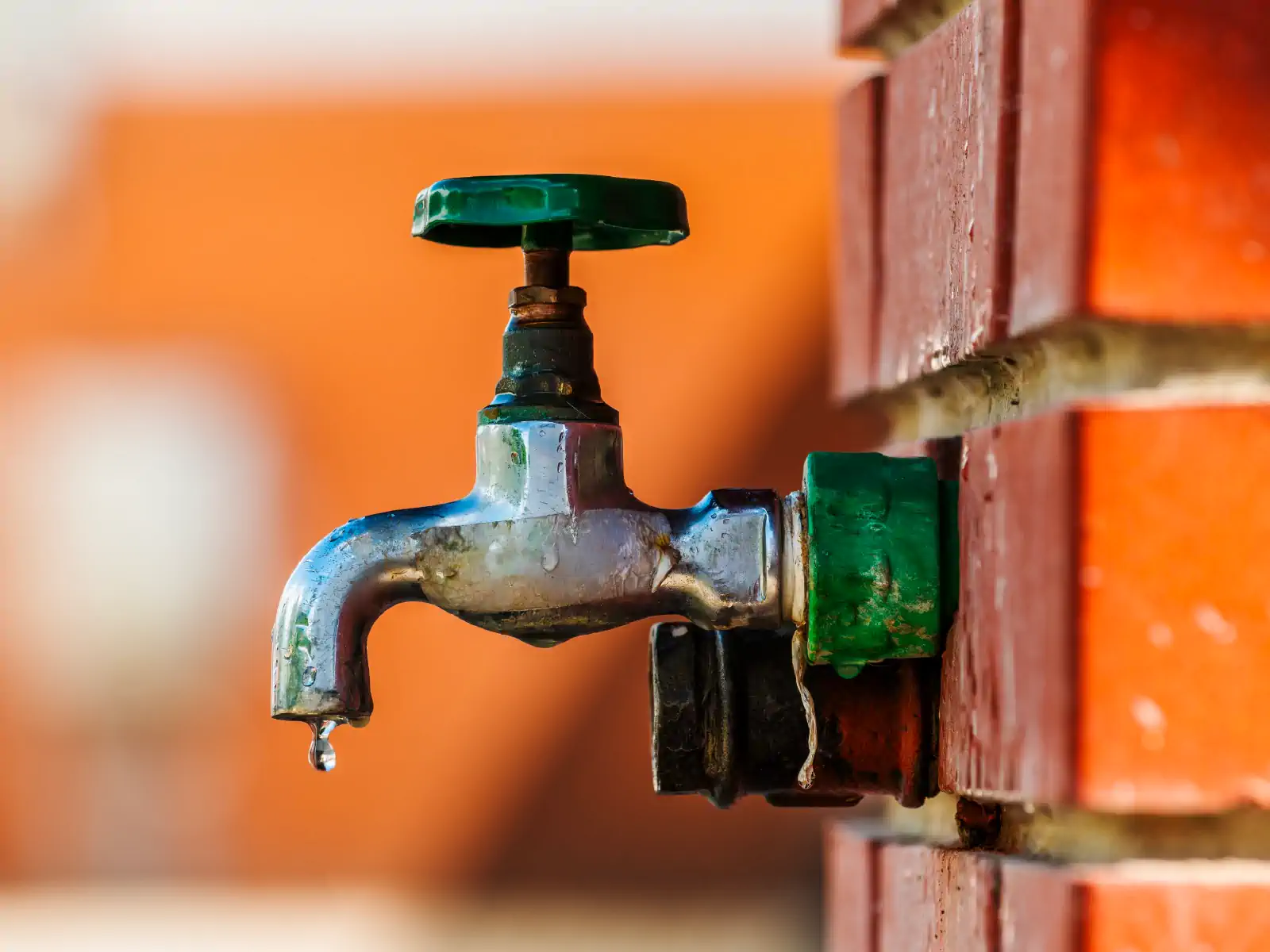
During severe cold, often below minus 25°C, letting a faucet drip slightly can help prevent freezing. Moving water is less likely to freeze than standing water.
Focus on taps connected to pipes along exterior walls.
Open cabinet doors
Open cabinet doors under sinks in kitchens and bathrooms. This allows warm air to circulate around plumbing.
This is especially helpful overnight and during extended cold spells.
Shut off and drain outdoor water lines
Before winter, disconnect outdoor hoses, shut off exterior water valves, and drain any remaining water.
This simple step prevents many common winter plumbing emergencies.
Know where your main water shutoff is
If a pipe bursts, shutting off the water quickly can limit damage. Make sure everyone in your household knows where the main water shutoff valve is located and how to use it.
What to do if your pipes freeze
If you turn on a tap and only a trickle of water comes out, a pipe may be frozen.
What to do:
- Keep the tap slightly open
- Gently warm the area using a space heater or hair dryer
- Never use open flames or torches
If you cannot safely reach the frozen pipe or suspect it has burst, contact a professional plumber immediately.
When to call a plumber
Some situations require expert help.
Call a licensed plumber if:
- A pipe has burst
- You notice water stains, damp spots, or pooling water
- You cannot thaw a pipe safely
- You want help winterizing your plumbing system
ATCO Energy offers professional plumbing services designed for Alberta conditions. Our experienced team understands extreme cold and can help protect your home before problems start.
How energy reliability supports your home in winter
During extreme cold, heating systems work harder, and energy demand rises across the province. A loss of heat, even for a short time, can increase the risk of frozen pipes.
Choosing a reliable energy provider helps keep your home warm and your plumbing protected. With ATCO Energy, you get dependable service and competitive rates during Alberta’s coldest days. Make the switch today.
A warm home is one of the strongest defences against frozen pipes.
Prepare now and avoid costly damage
Frozen pipes are one of the most preventable winter problems homeowners face. A few simple steps can save you stress, disruption, and significant expense.
Do not wait for the next cold snap.
Protect your home by keeping the heat on, insulating and sealing vulnerable pipes, and calling in professional help when needed. Trust ATCO Energy for reliable energy and expert plumbing services.

Frequently asked questions
Q: What causes pipes to freeze during Alberta winters?
A: Pipes freeze when water inside them drops below 0°C. In Alberta, long cold stretches, sudden temperature drops, and wind chill make pipes near exterior walls or in unheated spaces especially vulnerable.
Q: At what temperature do pipes typically freeze?
A: Pipes can begin to freeze when outdoor temperatures fall below minus 10°C, especially if pipes are poorly insulated. The risk increases significantly during extreme cold, often below minus 25°C.
Q: Which pipes are most likely to freeze in a home?
A: Pipes most at risk are those located along exterior walls, in basements, crawl spaces, garages, or unheated areas. Pipes exposed to drafts or lacking insulation freeze more easily.
Q: How can I prevent frozen pipes when temperatures drop suddenly?
A: Keep your home heated to at least 15°C, insulate exposed pipes, seal air leaks, open cabinet doors under sinks, and let taps drip slightly during extreme cold to keep water moving.
Q: Should I leave my heat on when I am away in winter?
A: Yes. Turning the heat down too low or off increases the risk of frozen pipes. Keeping consistent indoor heat is one of the most effective ways to protect your plumbing while you are away.
Q: What should I do if my pipes freeze?
A: If a tap only trickles, keep it slightly open and gently warm the area using a hair dryer or space heater. Never use open flames. If you cannot safely access the pipe or suspect a burst, call a plumber immediately.
Q: When should I call a plumber for frozen pipes?
A: Call a licensed plumber if a pipe has burst, you see water damage, you cannot thaw a pipe safely, or you want help winterizing your plumbing before extreme cold hits.


.jpg)