Alberta winters don’t mess around. Months of snow, freeze-thaw cycles, chinooks, and wind can quietly do a number on your roof.
The tricky part? Roof issues don’t always announce themselves right away. But small problems left unchecked can turn into expensive repairs once spring hits.
Why post-winter roof checks matter
Your roof is designed to handle winter, but not for long stretches without consequences. Over the season, your roof goes through:
- Heavy snow weight
- Ice buildup and melt cycles
- Strong wind gusts
- Sudden temperature swings
Even if everything looks fine from the street, winter can loosen shingles, weaken flashing, and create hidden entry points for moisture. A quick inspection now can save you from surprise leaks later.
Here’s how to inspect your roof after winter in a way that’s practical and doesn’t require you to become a roofing expert overnight.
Step 1: Start from the ground
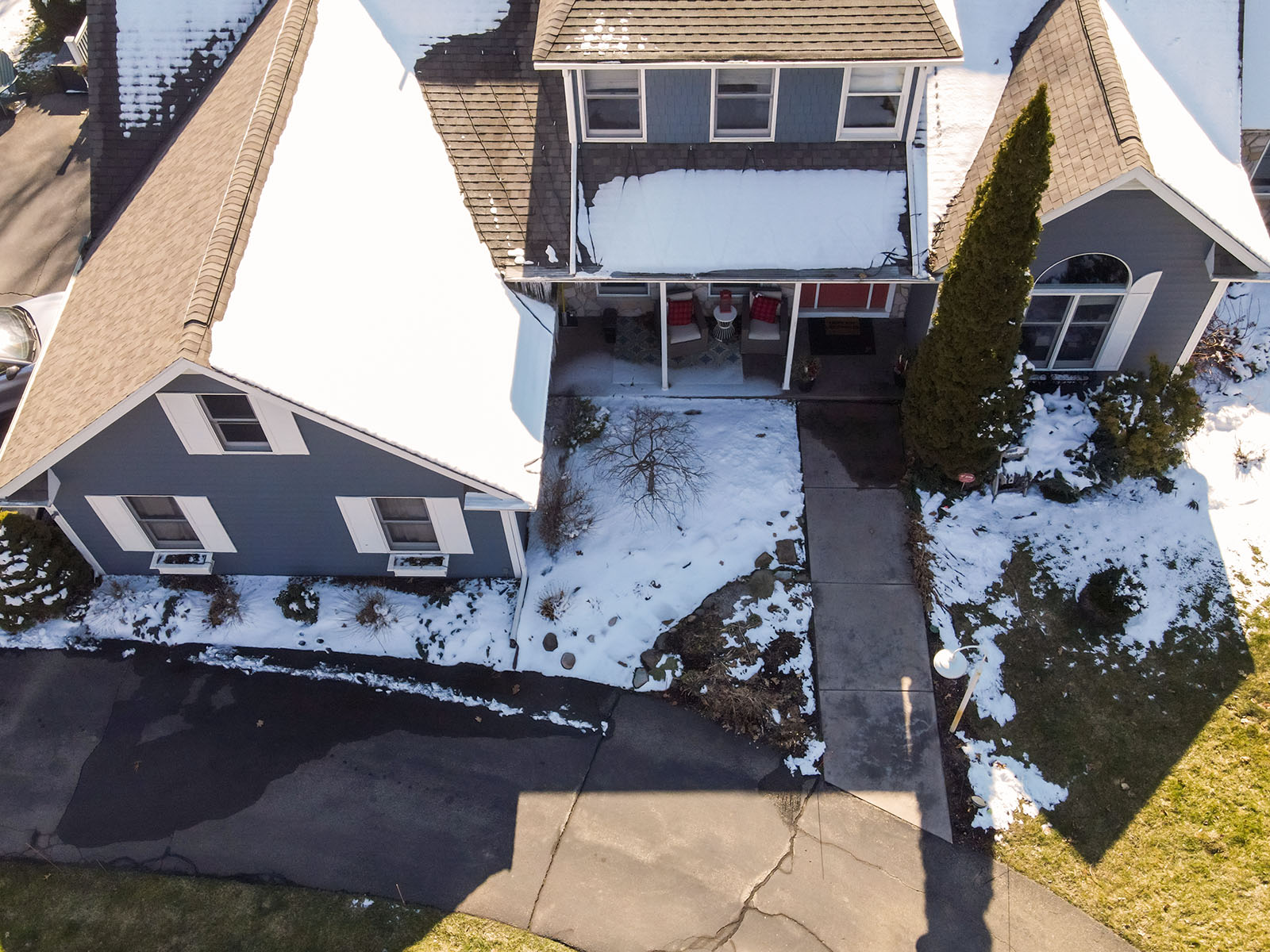
Before climbing anything, take a slow walk around your home. Look for:
- Missed, cracked, or curling shingles
- Uneven roof lines or sagging areas
- Bent, lifted, or detached flashing around chimneys and vents
- Dark patches or streaks on the roof surface
If something looks off, don’t ignore it. Roof damage often looks subtle before it gets serious during spring rainstorms.
Step 2: Inspect and clean gutters
Asphalt shingles shed granules over time, but winter accelerates the process. Take a look in:
- Gutters
- Downspout exits
- Areas where snow piles up
A small amount is normal. A heavy buildup can mean your shingles are aging faster than they should, which reduces their ability to protect your home from UV rays and moisture.
Step 3: Look closely at roof flashing
Flashing is one of the most common failure points after winter. Pay close attention to areas around:
- Chimneys
- Roof vents
- Skylights
- Valleys where roof slopes meet
Freeze-thaw cycles can loosen flashing seals, creating gaps that let water in once snow melts. These leaks often show up weeks later, right when you least expect them.
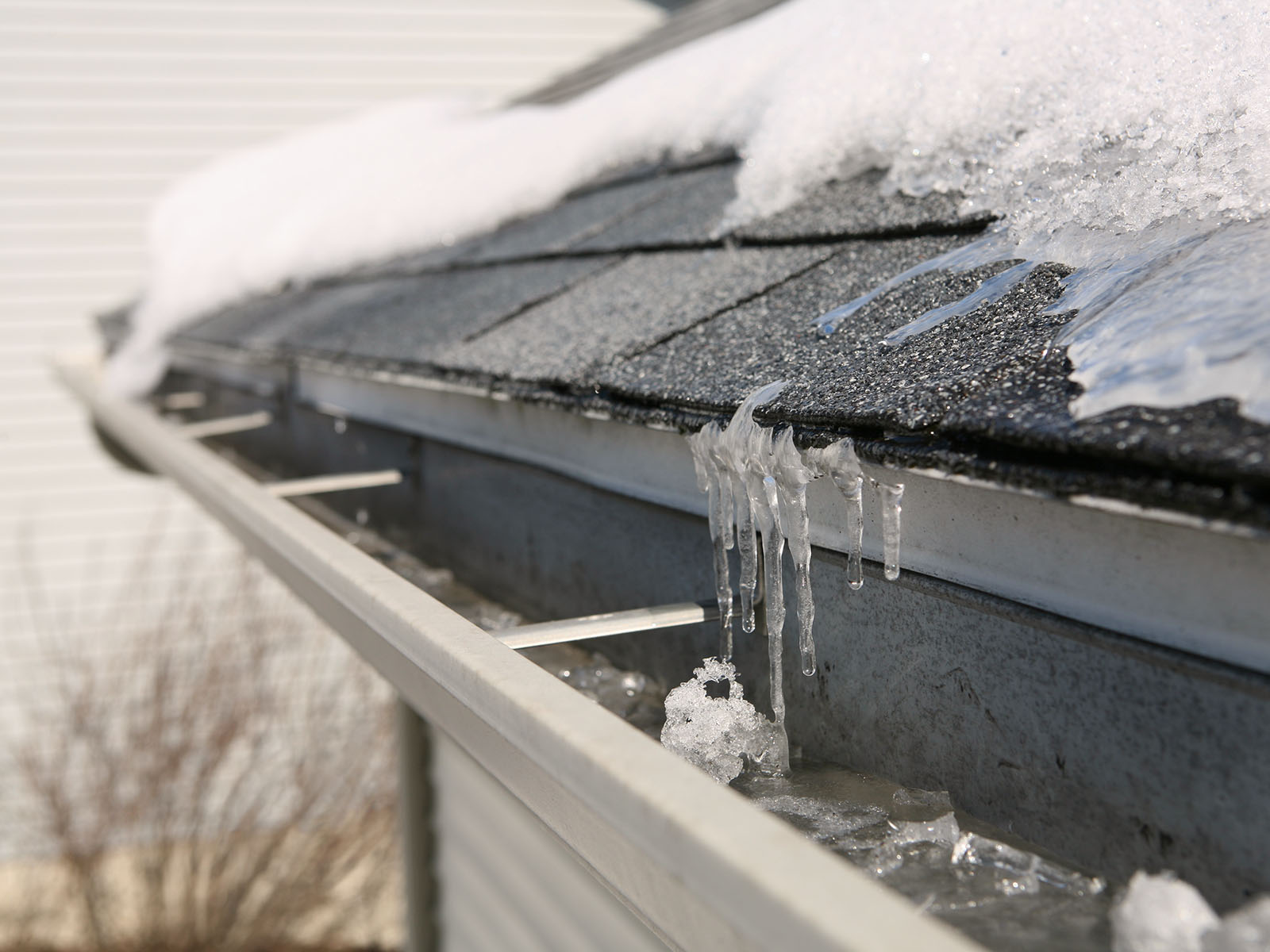
Step 4: Check for signs of ice dam damage
Ice dams are extremely common in Alberta because of temperature swings.
When warm attic air melts snow, water flows down and refreezes at colder eaves. That trapped water can push up under shingles.
Signs of ice dam damage include:
- Lifted shingles near the roof edge
- Water stains along exterior siding
- Peeling paint under eaves
- Interior leaks near outer walls
Even if the ice is gone, the damage underneath may remain.
Step 5: Inspect the attic
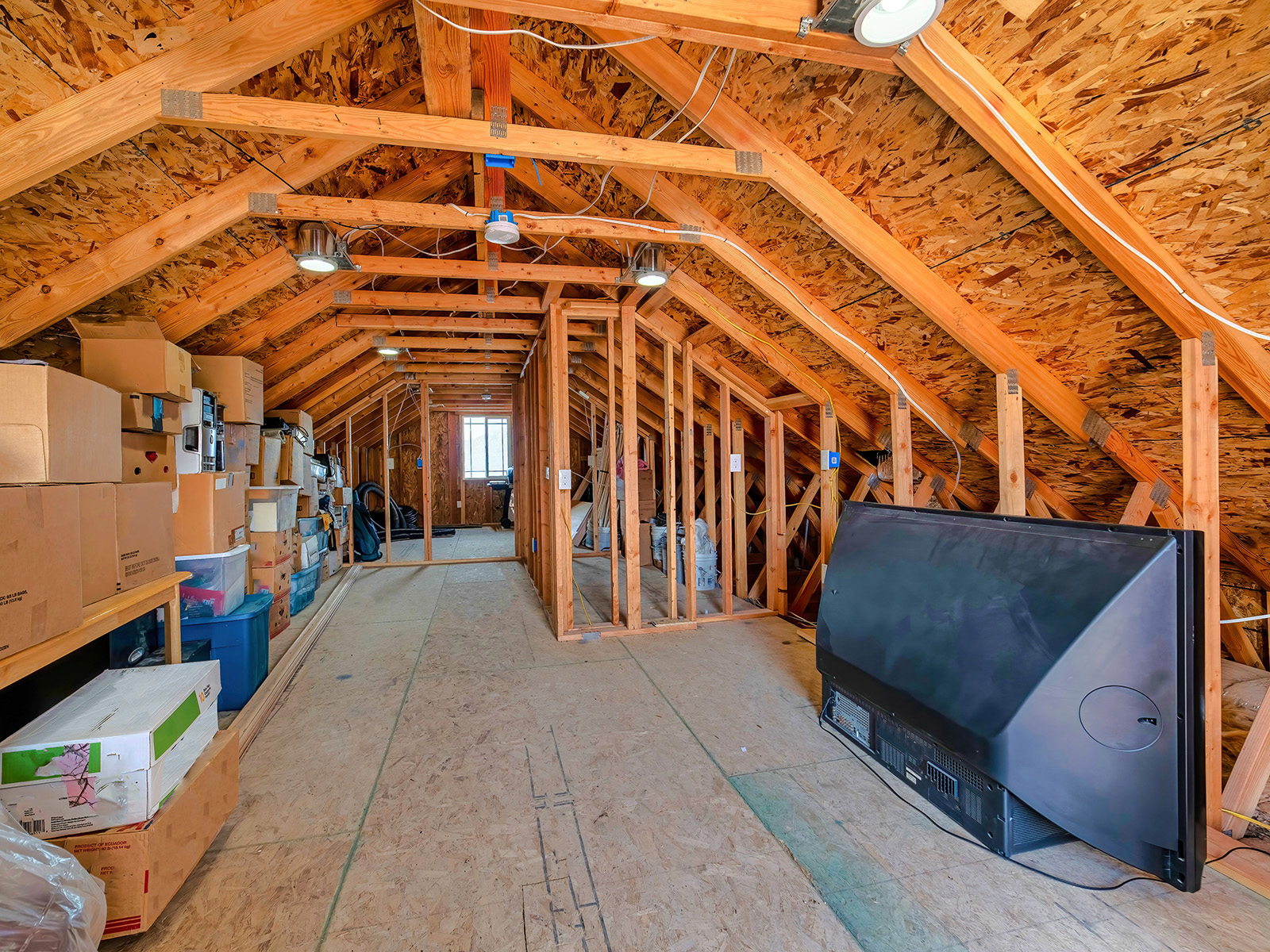
If you want to know whether your roof survived winter, check your attic.
Bring a flashlight and look for:
- Damp insulation
- Dark staining on wood framing
- Mold growth
- Frost buildup
- Daylight peeking through roof boards
If you notice any combination of these signs, it’s worth investigating further. Attic issues rarely fix themselves, and small moisture problems can turn into structural repairs if left unchecked.
Should you repair or replace your roof?
You’ve done the inspection. Now comes the real question: is this a quick repair, or is your roof officially ready to retire?
The answer isn’t always obvious, so here’s how to tell.
A roof repair may be enough if:
- Damage is localized - If the issue is confined to one area, like a small section of missing or lifted shingles, targeted repair can restore protection effectively.
- Shingles are in good shape - If surrounding shingles are lying flat, still flexible, and holding their granules, the roof likely has life left.
- The roof is under 15 years old - Most asphalt roofs in Alberta last around 20–25 years. If yours is mid-life and the issue is minor, repair is often the practical choice.
A roof replacement may make more sense if:
- Shingles are brittle or curling widely - When shingles lose flexibility, they can’t properly seal against wind or shed water effectively.
- Granule loss is widespread - Heavy granules in gutters or bald-looking patches mean the protective layer is wearing thin.
- You’ve had repeated leaks - If you’re repairing something new every winter, the roof may be reaching its limit.
- The roof is nearing end-of-life - Even if it looks “okay,” aging materials are more vulnerable to Alberta’s wind, hail, and freeze-thaw cycles.
When a DIY check isn’t enough
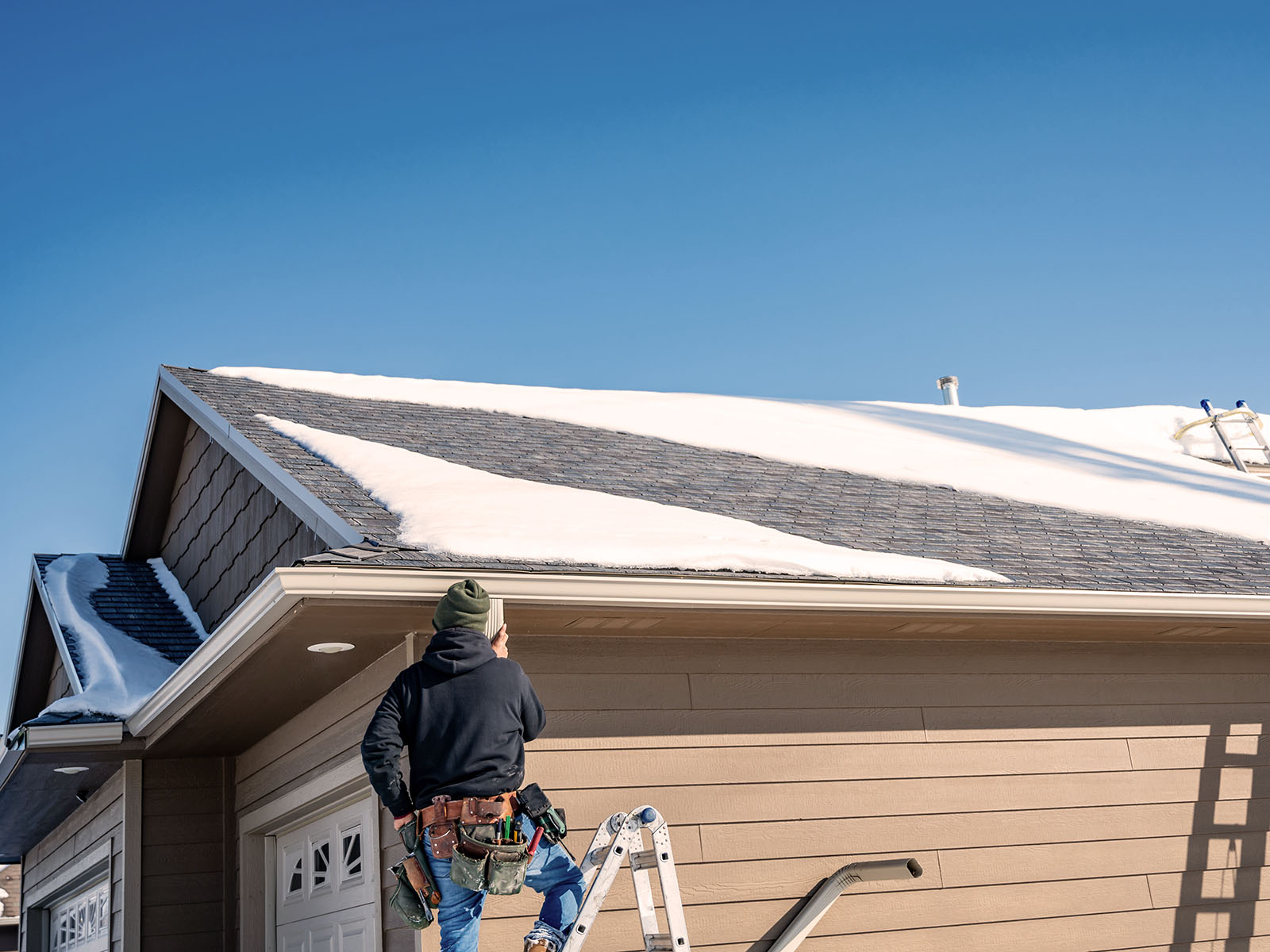
Some roof damage simply isn’t safe or practical to inspect on your own, especially on steep pitches or icy surfaces lingering into early spring.
That’s where professional inspections make sense.
Through ATCO Energy, homeowners can access roof inspection, repair, and roof replacement services from trusted local professionals who understand Alberta homes and Alberta weather.
Whether it’s a small fix or a larger upgrade, getting expert eyes on your roof early helps prevent bigger problems later.
Roof inspection FAQs
How often should I inspect my roof in Alberta?
At least twice a year—spring and fall. After especially harsh winters, a spring check is critical.
Can roof damage from winter show up later?
Yes. Small cracks or flashing gaps may not leak immediately. Many homeowners notice problems during spring rain or early summer storms.
Is it safe to walk on my roof to inspect it?
Not recommended unless you’re experienced. Shingles can be brittle after winter, and surfaces may remain slippery. Ground inspections and professional evaluations are safer.
What are the most common roof problems in Alberta?
Ice dam damage, wind-lifted shingles, flashing separation, granule loss, and attic moisture are among the most common.
When is the best time to replace a roof in Alberta?
Late spring through early fall offers the most stable weather conditions. Booking early helps avoid peak-season delays.




.jpg)