


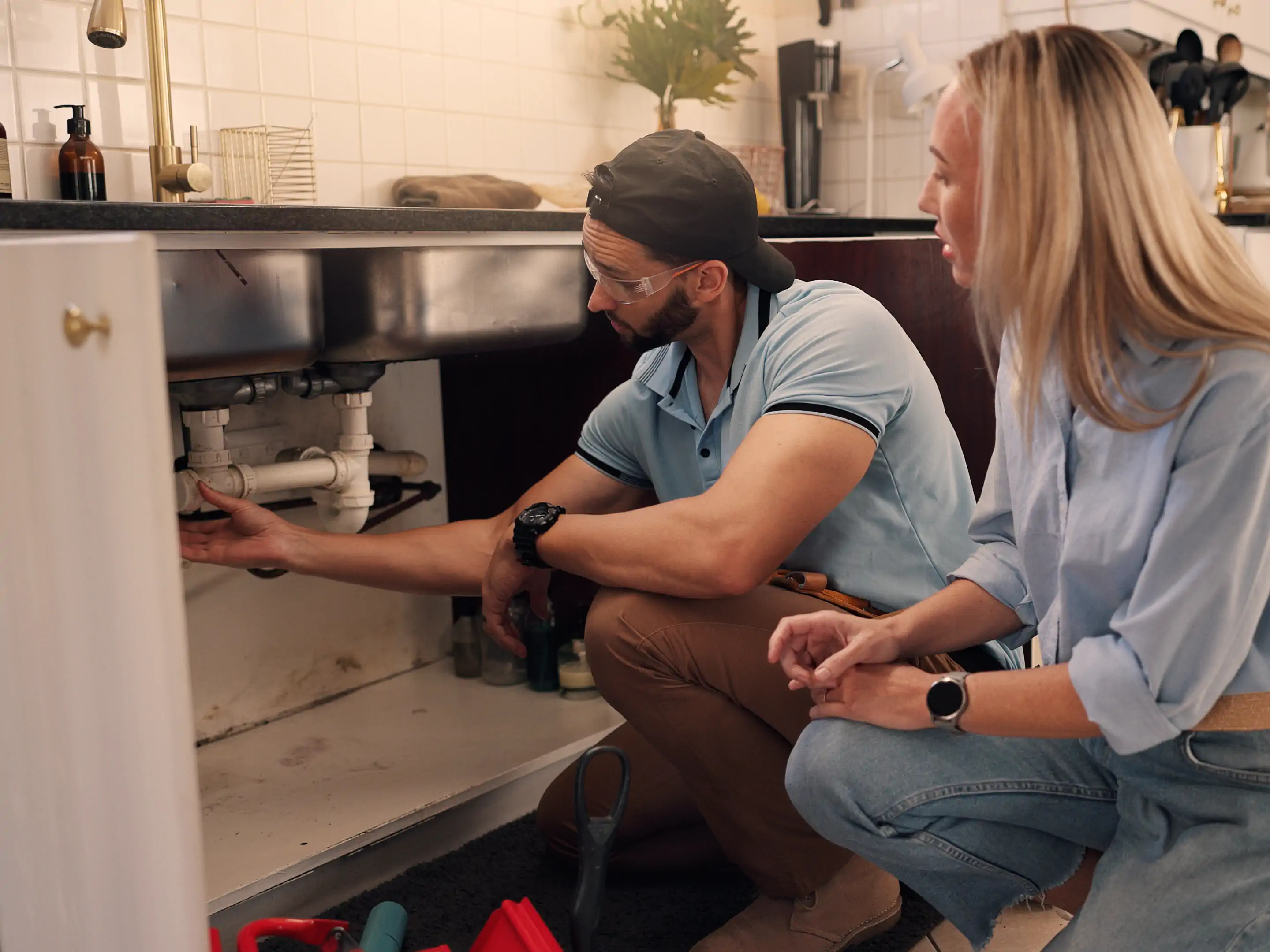
Water emergencies happen fast. A burst pipe or leaky appliance can flood your home in minutes. Knowing where your main water shutoff valve is, and how to use it, can save you thousands in damage.
This guide will help you find your shutoff valve and be ready for any plumbing emergency.
What is a water shutoff valve?
Your water shutoff valve controls the flow of water into your home. It’s your first line of defense when something goes wrong.
Turning off the valve stops water from entering your home. That means less mess, less damage, and less stress.
Why you should know where it is
Water is great—when it stays in pipes. But when it leaks, it can ruin floors, walls, and furniture.
Even a small leak can cost thousands to fix. If you know where your shutoff valve is, you can act fast and avoid major damage.
It’s also useful for home projects. Whether you're fixing a faucet or installing a new dishwasher, turning off the water keeps things clean and safe.
Homeowner stories: Prepared vs. unprepared

Sarah found her shutoff valve the day she moved in. When a pipe burst one winter night, she turned off the water in seconds. The damage? Just a damp carpet.
Tom never looked for his valve. When his washing machine hose burst, he scrambled to find it. By the time he did, water had flooded two rooms. The repairs cost thousands.
Lesson: be like Sarah. Know your valve.
Where to find your shutoff valve
Most homes have one main shutoff valve. Look in these places:
- Basement
- Utility room (on an exterior wall)
- Near the water meter
- Outside near the foundation (in older homes)
- Types of shutoff valves
Gate valve
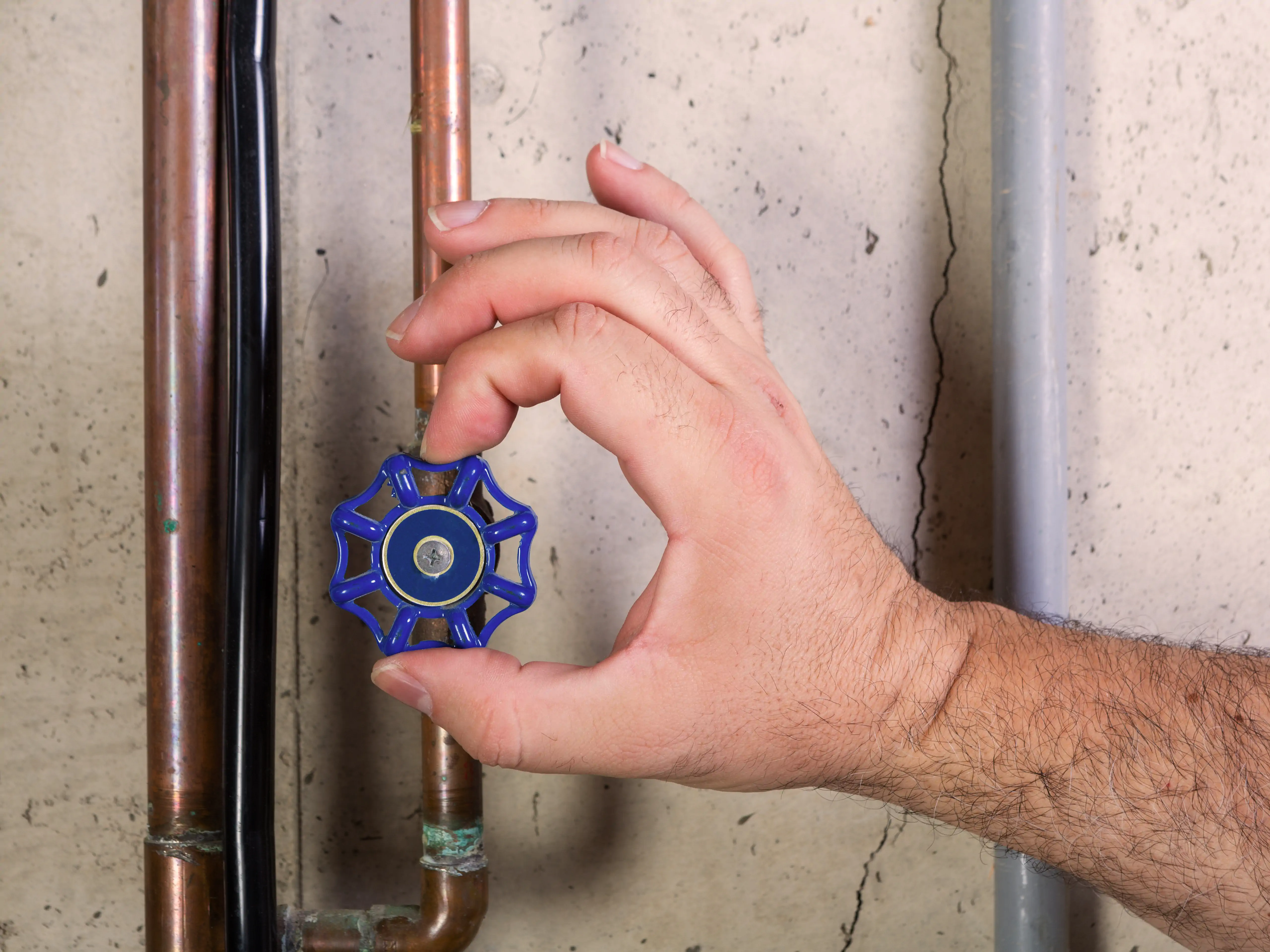
- Round knob like a hose tap
- Turn clockwise to close
- Turn every few months to keep it from sticking
- If stuck, use WD-40 and gently tap with a wrench
Ball valve

- Lever handle
- Turn a quarter turn to close
- Easy to use—great in emergencies
- Practice turning it so you’re ready
Turning the water back on
After fixing the issue:
- Remove faucet aerators (small screens) to prevent clogs
- Turn the valve on slowly to avoid pressure surges
Check for leaks. If the valve stem leaks, tighten the packing nut slightly
Home services that keep your home and property safe
Need help with plumbing repairs or home upgrades? ATCO Energy has trusted plumbers, home renovation contractors, and other home service experts on standby. Whether it’s an emergency or a weekend project, we’re here to make homeownership easier. From fixing leaks to installing new appliances, we’ve got you covered.
Water shutoff valve questions answered
What is a water shutoff valve?
It’s a valve that controls the flow of water into your home. When you turn it off, it stops water from entering your pipes. This is useful during emergencies like leaks or burst pipes, and also when doing plumbing repairs.
What if I can’t find my shutoff valve?
Check your basement, utility room, or near the water meter. In older homes, it might be outside near the foundation. If you still can't find it, ask a plumber or your home inspector.
How often should I test my valve?
Every 3 to 6 months. This keeps it from sticking and ensures it works when you need it.
Is it possible to shut off water to one room?
Some homes have individual shutoff valves for sinks, toilets, and appliances. These are helpful for small repairs without shutting off water to the whole house.
What tools do I need to turn the valve?
Most valves can be turned by hand. If it’s stuck, a wrench and WD-40 can help loosen it.
Should I label the valve?
Yes. Labeling helps everyone in your home know where it is and what it does—especially useful in emergencies.



.jpg)