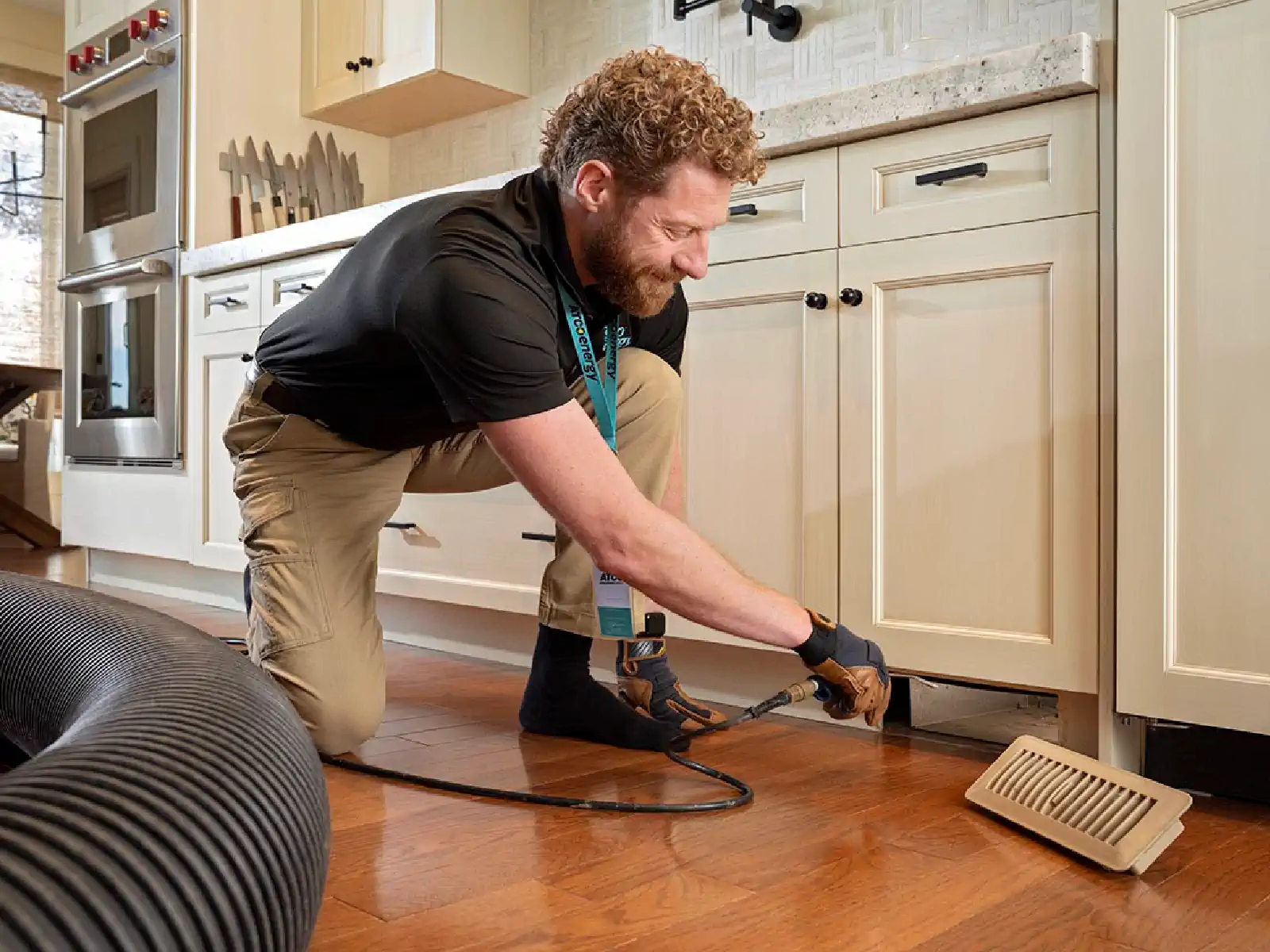
Your home depends on a few key systems every day. Heating, cooling, hot water, electricity, and plumbing all work together to keep things running smoothly.
When one system fails, it can cause stress, damage, and high repair costs. Regular inspections help you spot problems early and keep your home comfortable and safe.
This guide explains how to inspect your home’s major systems, with a closer look at HVAC. It also explains when it is time to call a professional.
Why regular inspections matter
Small issues often show up before a major breakdown. A strange noise. A slow leak. A room that never feels warm enough.
Catching these signs early can save money and prevent damage. Inspections can also help your equipment last longer and run more efficiently.
Inspecting your HVAC system
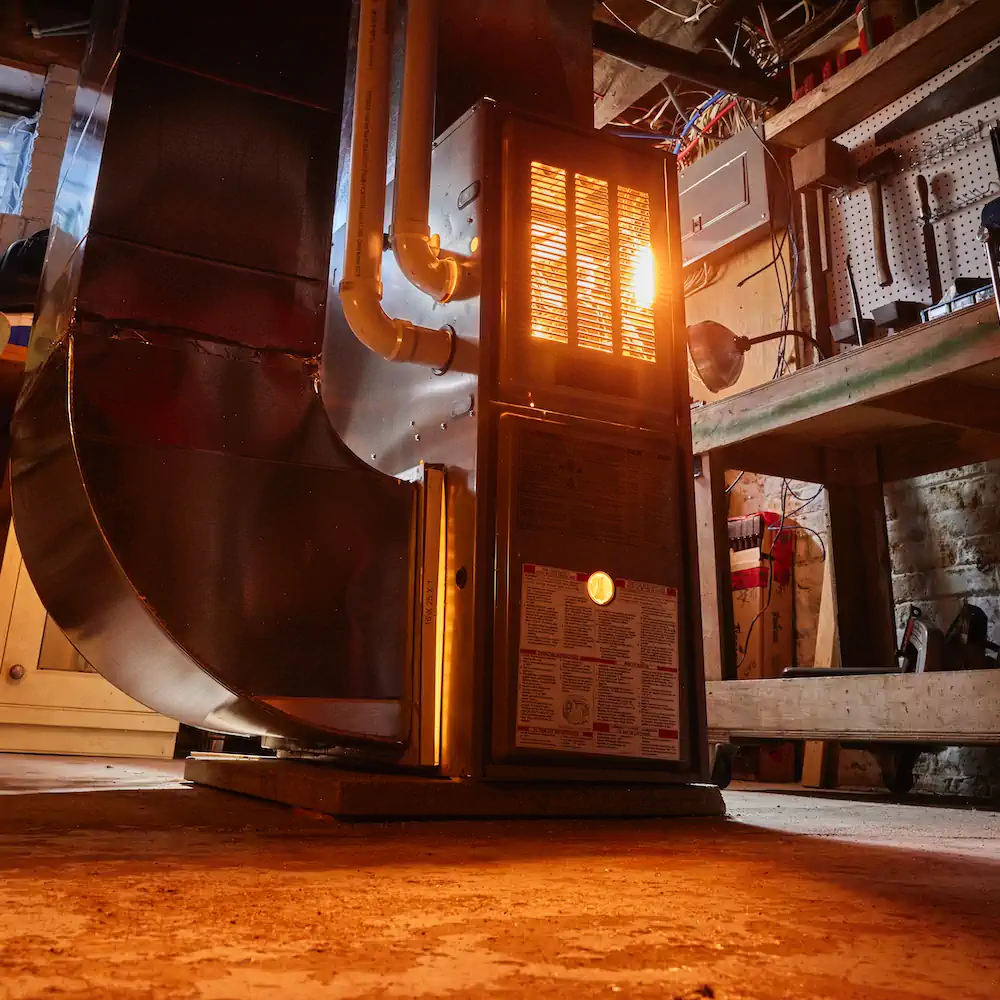
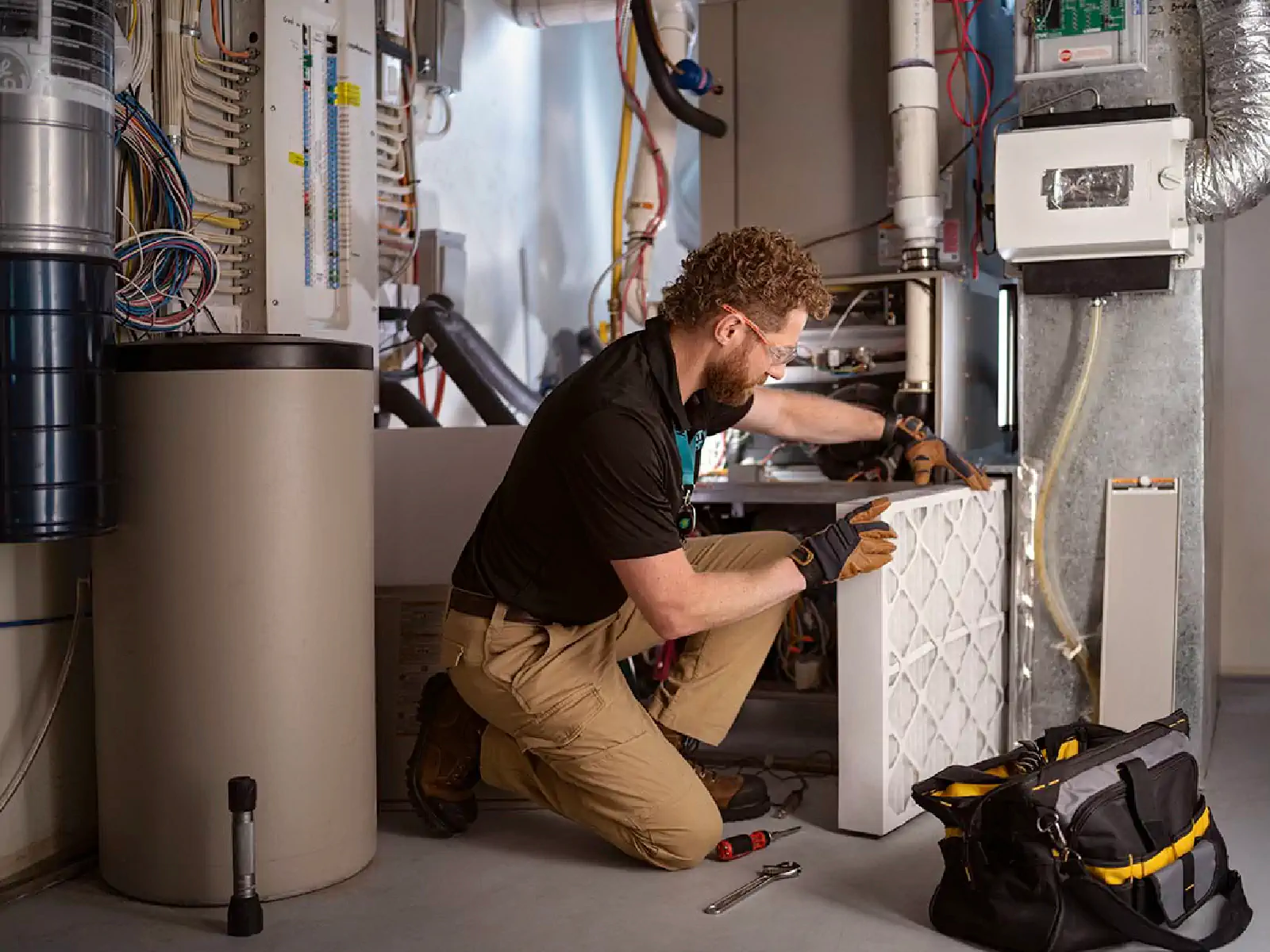
Your HVAC system works year-round. It heats your home in winter and cools it in summer. Because it runs so often, it needs regular attention.
What you can check yourself
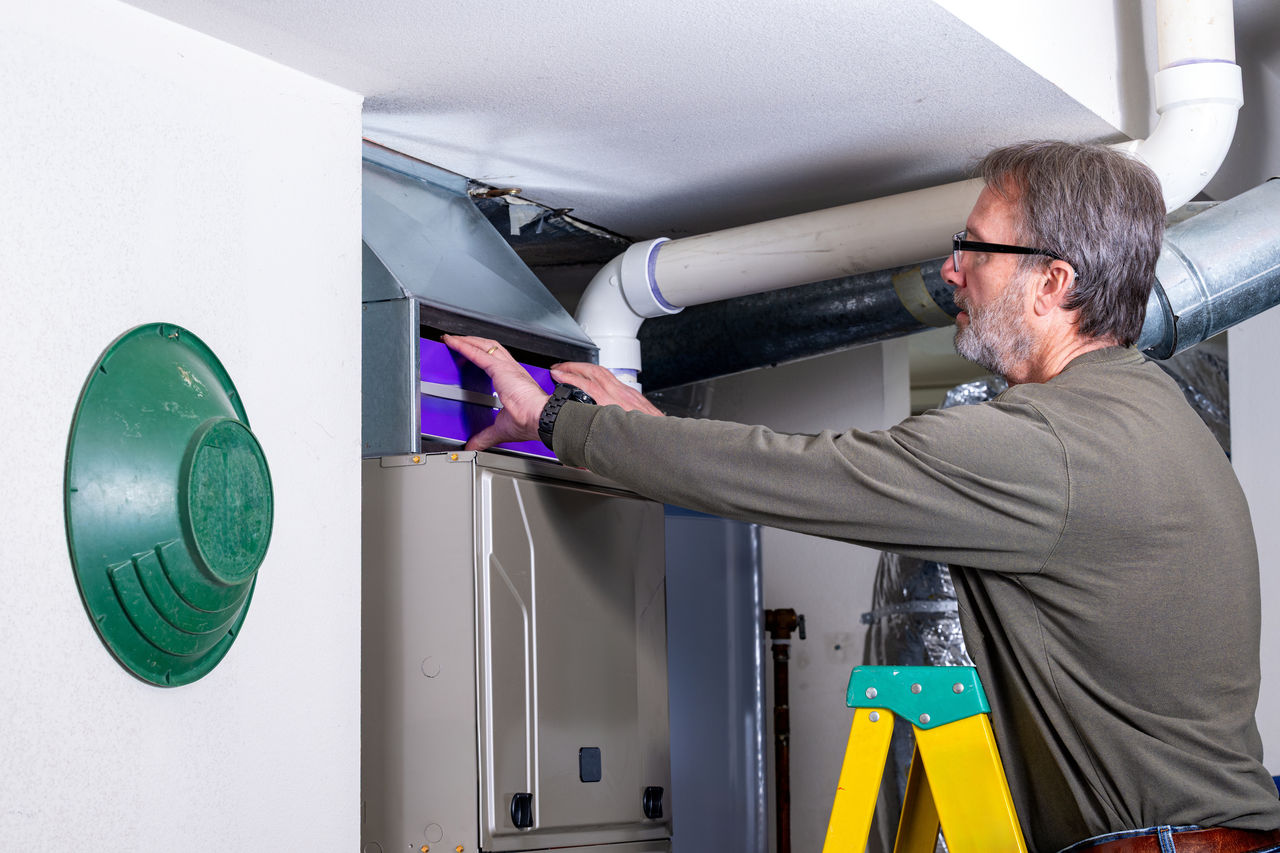
- Start with your air filter. Check it every one to three months. If it looks dirty, replace it. A clean filter helps airflow and reduces strain on the system.
- Listen when your furnace or air conditioner turns on. Unusual noises can signal a problem. Rattling, banging, or squealing should not be ignored.
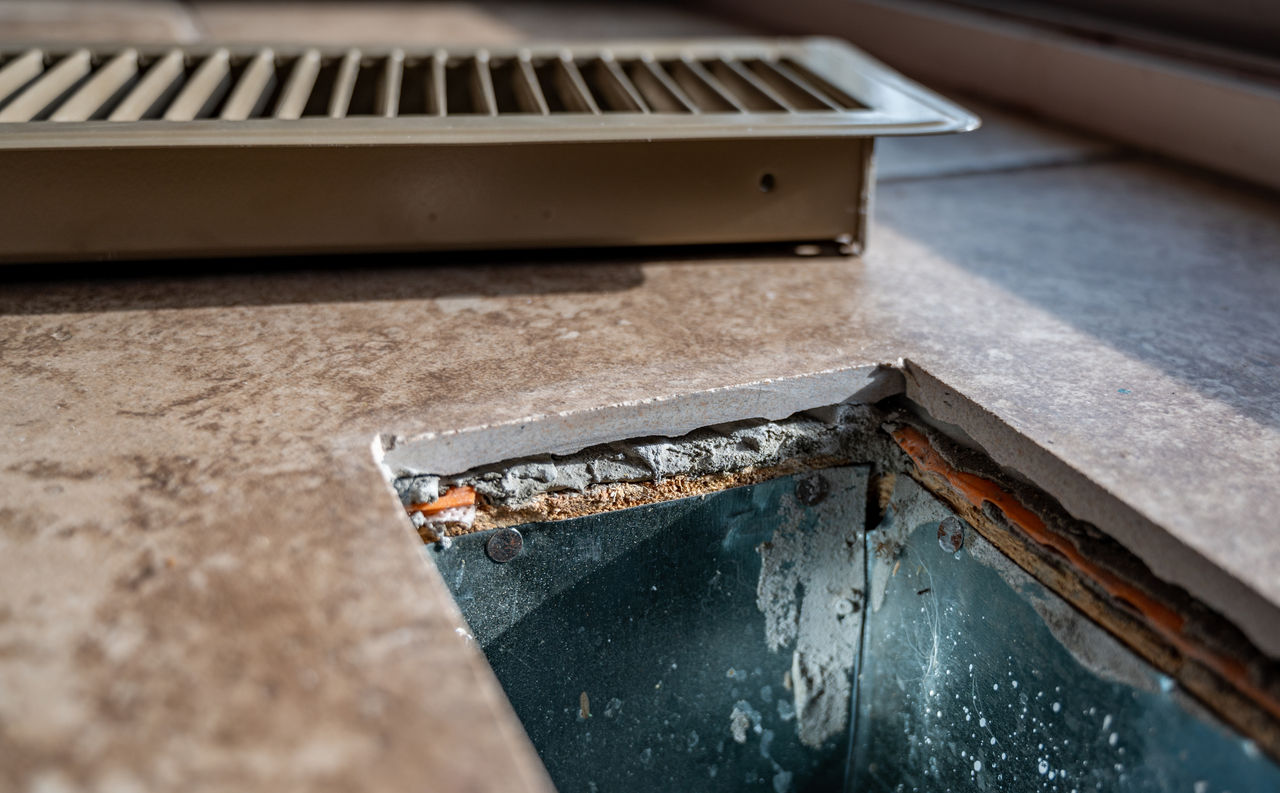
- Check the vents in each room. Make sure they are open and not blocked by furniture or rugs. Poor airflow can make your system work harder than it should.
- Look around the furnace and outdoor unit. The area should be clear of dust, storage items, and debris.
How often to inspect HVAC
Do a quick visual and sound check once a month. Replace filters as needed.
Schedule a professional inspection once a year. Many homeowners book furnace checks in the fall and cooling system checks in the spring.
When to call an HVAC pro
Call for help if your system stops heating or cooling properly. Other warning signs include frequent cycling, uneven temperatures, higher energy bills, or strange smells.
HVAC systems are complex. Repairs and deep inspections should always be done by a licensed HVAC technician.
Inspecting your hot water tank
Your hot water tank is easy to forget until it stops working. Regular checks can help prevent leaks and sudden failure.
What you can check yourself
- Look around the base of the tank. Any moisture or rust is a concern.
- Check the temperature setting. Most homes are set around 120 degrees Fahrenheit. Higher settings increase energy use and safety risks.
- Listen for popping or rumbling noises. This can mean sediment has built up inside the tank.
How often to inspect a hot water tank
Do a visual check every few months. Have a professional inspect the tank once a year.
Most tanks last eight to twelve years. Older tanks should be watched closely.
When to call a hot water tank pro
Call if you see leaks, rusty water, or inconsistent hot water. A professional can assess whether hot water tank replacement or repair is needed.
Inspecting your electrical system
Electrical issues can be dangerous. Inspections help reduce fire risk and keep your home safe.
What you can check yourself
- Look at outlets and switches. Warmth, buzzing, or discolouration can signal trouble.
- Test your GFCI outlets monthly using the test button. These are often found in kitchens, bathrooms, and garages.
- Check your breaker panel for tripped breakers or signs of corrosion.
How often to inspect electrical systems
Do a basic check twice a year. Professional inspections are recommended every few years or during major renovations.
When to call an electrician
Call an electrician if breakers trip often, lights flicker, or you smell burning. Never attempt electrical repairs yourself.
Inspecting your plumbing system
Plumbing problems can cause hidden damage over time. Small leaks can lead to mold and costly repairs.
What you can check yourself
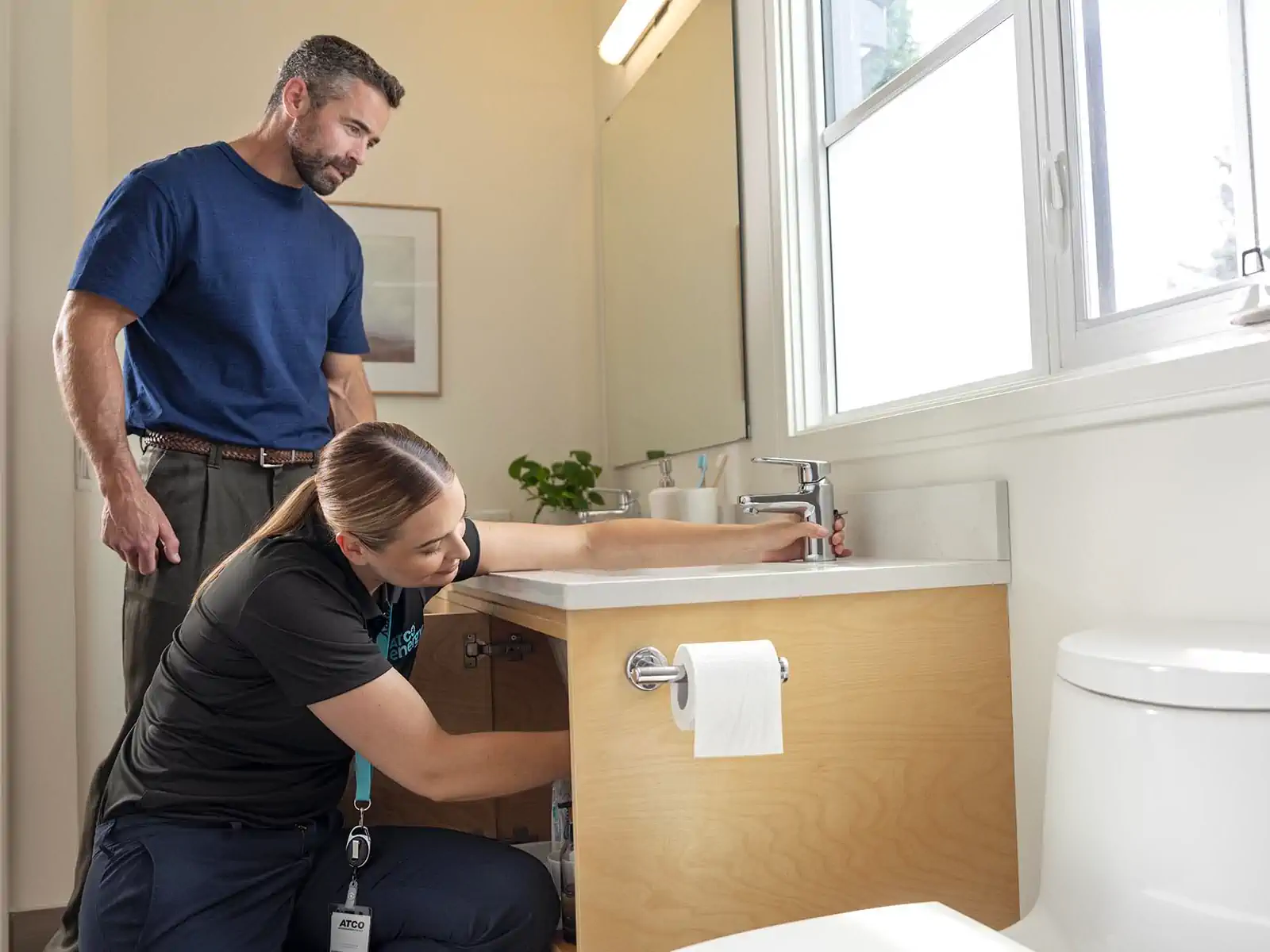
- Look under sinks and around toilets for drips or water stains.
- Check water pressure. Sudden changes can signal a problem.
- Listen for running water when taps are off. This may point to a hidden leak.
How often to inspect plumbing
Do a visual check every few months. Pay extra attention during cold weather.
When to call a plumber
Call a plumber if you see ongoing leaks, slow drains throughout the home, or water damage. Frozen or burst pipes always need immediate help.
Frequently asked questions
Q: Why is it important to inspect your home’s major systems regularly?
A: Regular inspections help catch small issues before they become expensive repairs. They improve safety, reduce the risk of damage, and help systems like HVAC, plumbing, and electrical last longer and run more efficiently.
Q: How often should home HVAC systems be inspected?
A: Homeowners should do a basic visual and sound check each month and replace air filters every one to three months. A professional HVAC inspection is recommended once a year, often in the fall for heating systems and in the spring for cooling.
Q: What are common signs that an HVAC system needs professional service?
A: Uneven temperatures, unusual noises or smells, frequent cycling, or rising energy bills can all indicate a problem. If the system is not heating or cooling properly, a licensed HVAC technician should inspect it.
Q: How can homeowners inspect a hot water tank for early warning signs?
A: Check around the base of the tank for moisture or rust, listen for popping or rumbling sounds, and confirm the temperature is set around 120°F. An annual professional inspection is recommended, especially for older tanks.
Q: What electrical warning signs should homeowners never ignore?
A: Warm or discoloured outlets, buzzing sounds, flickering lights, or breakers that trip often can signal serious electrical issues. These problems should always be handled by a licensed electrician.
Q: How often should plumbing systems be checked in a home?
A: A visual plumbing check every few months can help spot leaks, water stains, or pressure changes. Inspections are especially important during cold weather when pipes are at higher risk of freezing.
Q: When should a homeowner call a professional instead of doing a DIY inspection?
A: A professional should be called for ongoing leaks, water damage, electrical concerns, heating or cooling failures, or any issue that could affect safety. Licensed experts have the training to diagnose and fix problems correctly.