Winter brings its own set of challenges, especially when it comes to keeping our homes warm and comfortable. While we can’t stop winter from coming, we can help you make your home as energy-efficient as possible. And it’s actually a lot easier than you might think.
By going through your whole home and keeping things efficient before the temperatures really drop down, you can save on your heating bill and protect appliances from the wear and tear of winter usage.
Here are ATCO Energy's top energy-saving tips for the winter:
1. Check the siding for cold air leaks
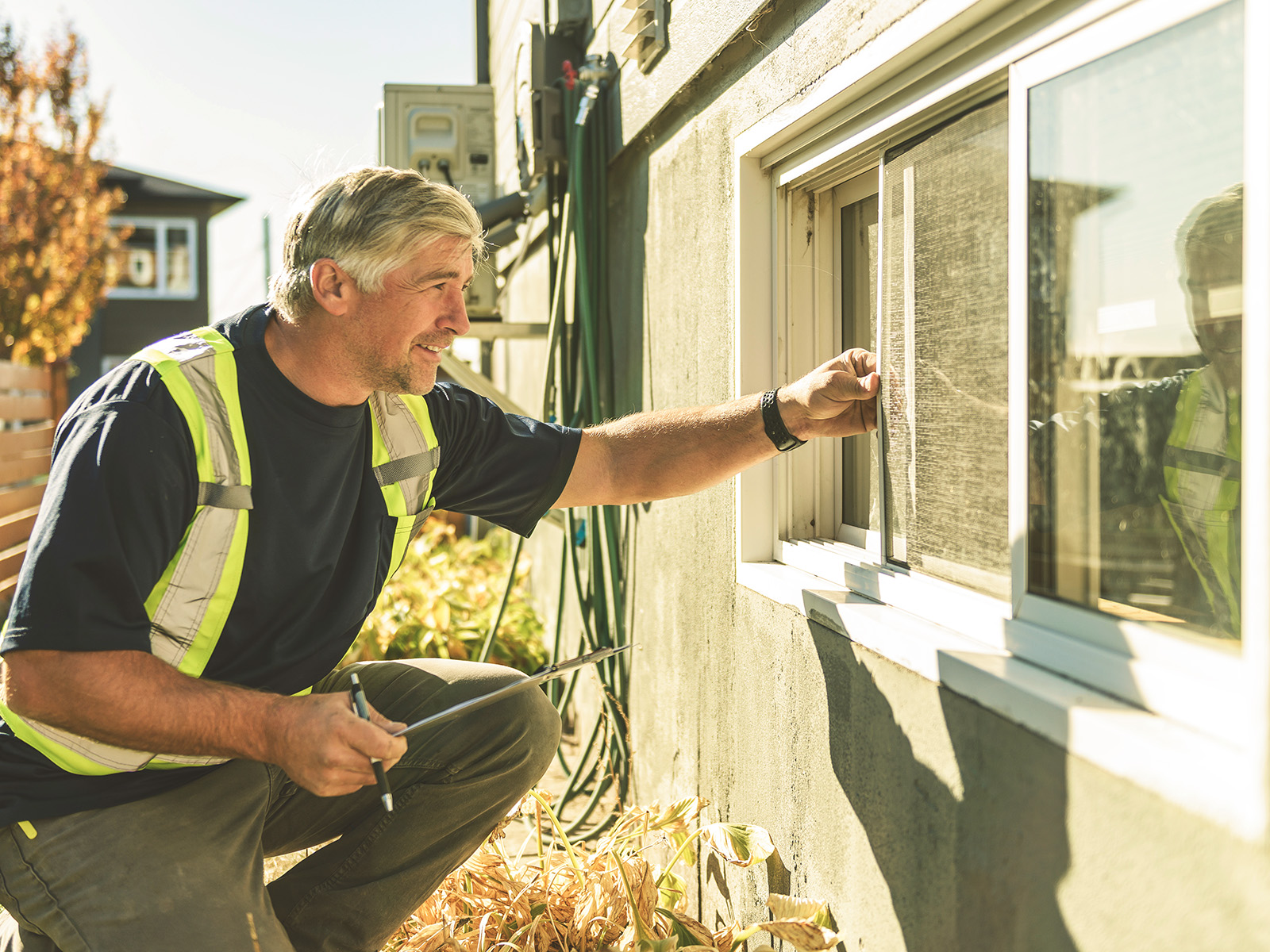
While you can’t easily add insulation to existing siding, you can check for problem spots that let cold air in and warm air out. Walk around your home’s exterior and look for:
- Cracked or shrunken caulking
- Rotten or damaged wood siding
- Gaps where moisture or air could get through
Fixing these issues before the snow arrives is an easy way to improve efficiency and support your home’s insulation.
2. Inspect windows and doors for drafts
Windows and doors are some of the biggest contributors to heat loss—but they’re also some of the easiest to fix. If your windows and doors close smoothly and latch well, most efficiency issues come from small gaps or aging seals. Before you consider replacing them entirely, try checking for:
- Areas that need fresh exterior caulking
- Worn-out or missing weatherstripping
- Drafts you can feel when standing near the frame
If the area still feels cold, heavy or insulated curtains can help trap warmth inside and reduce heat loss, especially on chilly days.
3. Make sure your chimney is winter-ready
A wood-burning fireplace can help you give your furnace a break on the coldest days, but only if the chimney is safe and clean. Burning wood creates a substance called creosote, which collects inside the chimney and can become a fire hazard if not removed regularly.
Before winter fully sets in, confirm that:
- Your chimney has been professionally cleaned
- The flue opens and closes properly
- There’s no visible debris or blockage
A little maintenance now keeps your cozy fires safe all winter long.

4. Get your thermostat in order
Thermostats play a big role in your winter energy bills. It’s tempting to crank up the heat when temperatures drop, but heating your home more than necessary uses significantly more energy. A smart or programmable thermostat can help by:
- Adjusting temperatures while you’re asleep or away
- Keeping your home warm without over-heating
- Maintaining consistent comfort throughout the day
Even lowering your thermostat a couple of degrees can lead to noticeable savings over the season.
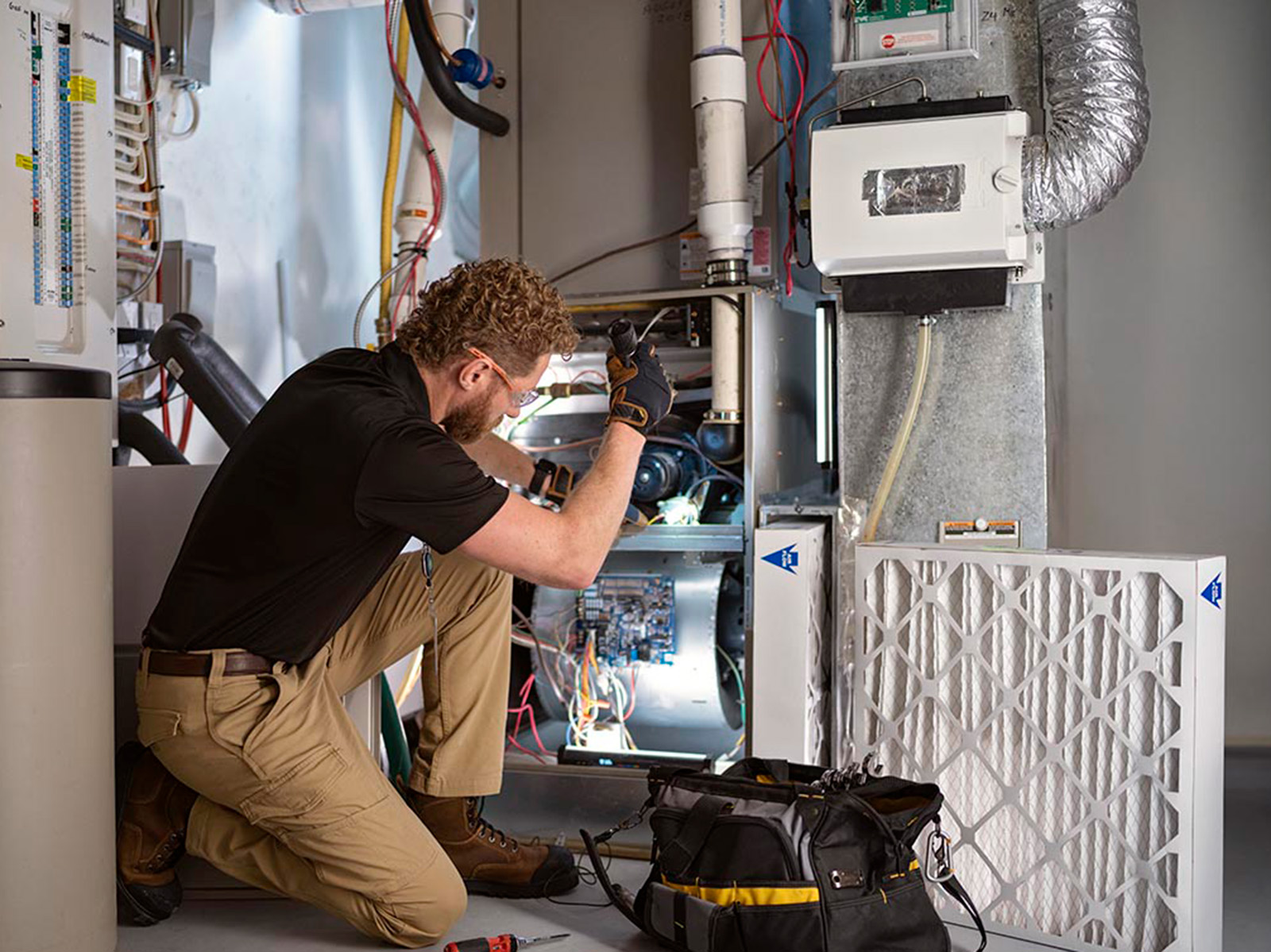
5. Change your HVAC filters
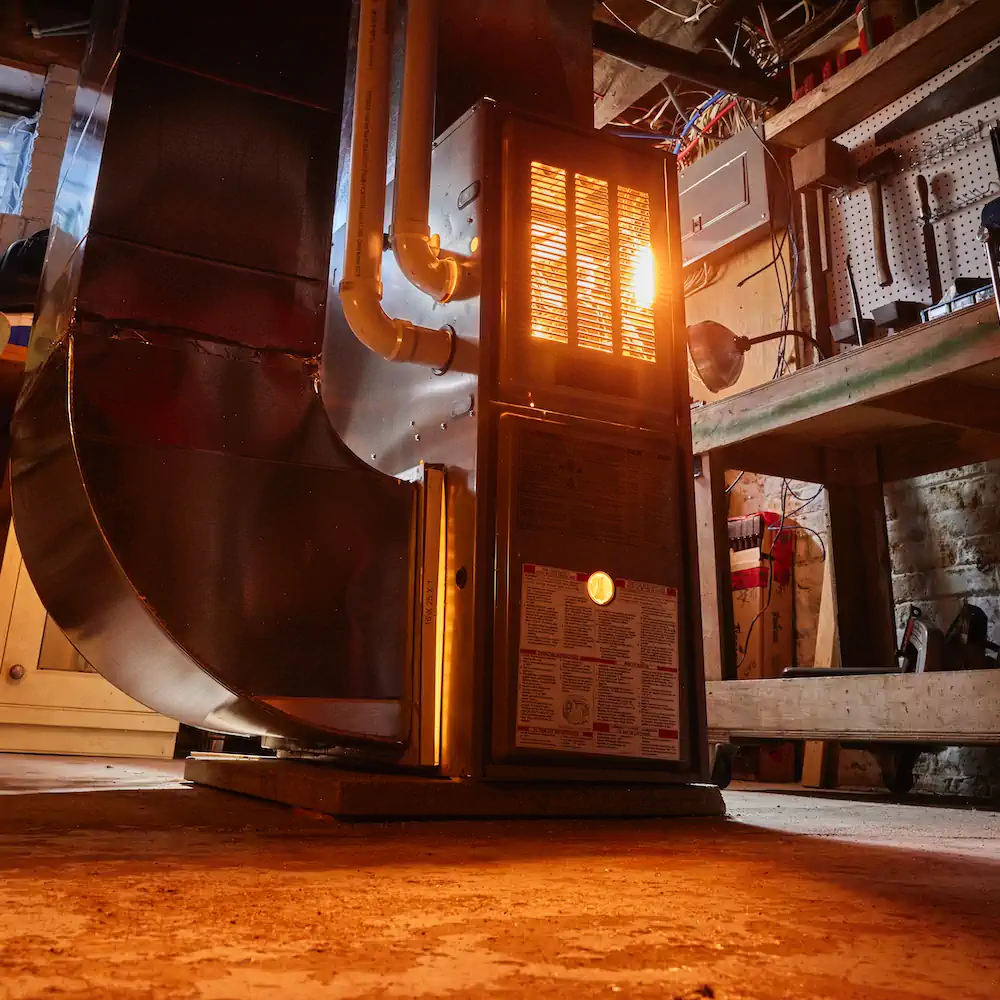
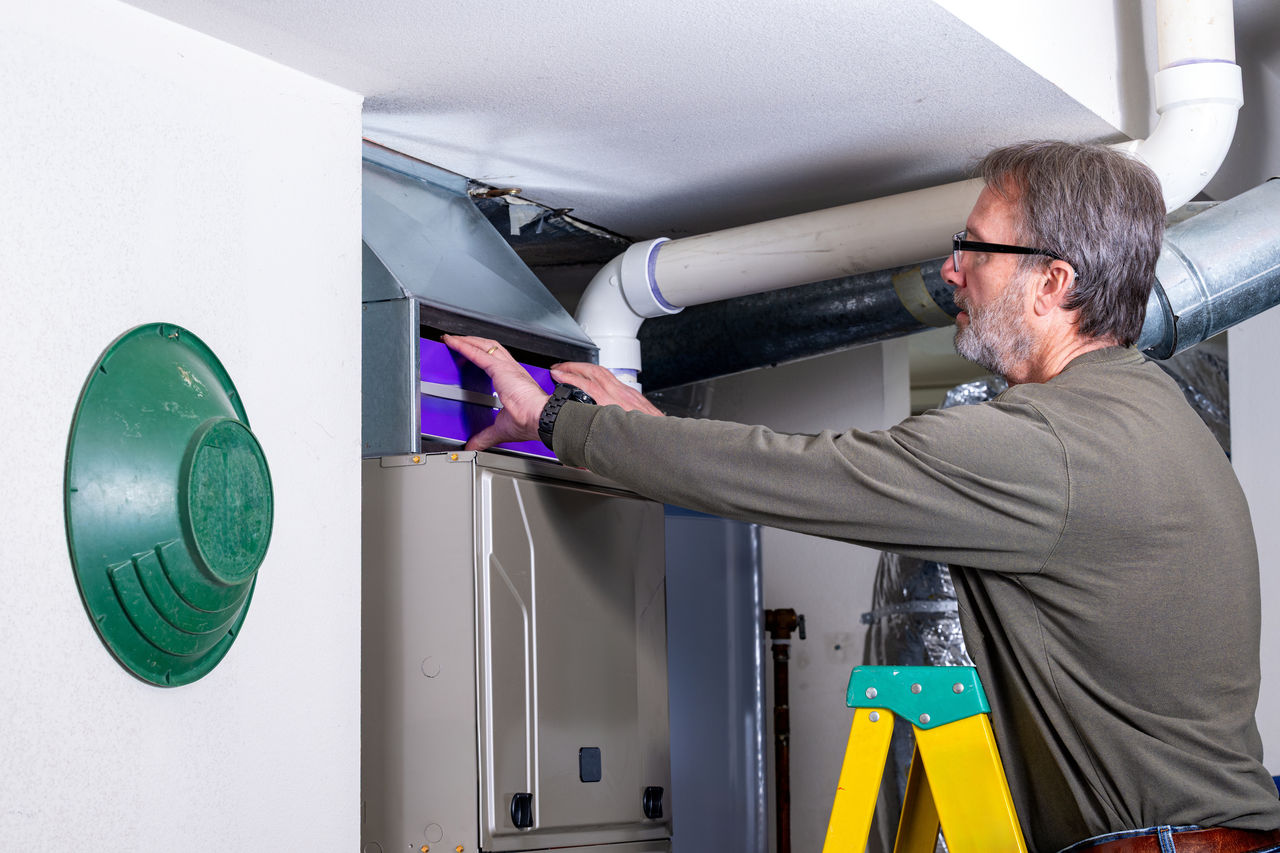
Your furnace works its hardest in winter, meaning your HVAC filter needs extra attention. When a filter becomes clogged, the furnace has to push harder to move air, and that leads to higher bills and possible system damage.
A quick check can tell you if it’s time to replace your filter:
- Hold it up to the light. If you can’t see through it, it’s time for a new one.
- In winter, expect to replace your filter every 4–6 weeks.
Pairing this with a yearly furnace tune-up keeps your system efficient and reduces your chances of dealing with a breakdown during peak cold.
6. Clean your fridge coils
It may sound unrelated, but clogged fridge coils can increase overall energy use in your home. Dust, pet hair, and kitchen debris build up over time, making your fridge work harder to stay cool.
Before winter begins:
- Locate the coils (on the back or bottom of the fridge)
- Use a vacuum or coil brush to clear away buildup
These quick tasks can lower your appliance’s energy consumption year-round.
7. Rethink your laundry habits
Laundry appliances use more energy than most people realize. A few small adjustments can make your routine much more efficient:
- Wash with cold water to give your water heater a break
- Run full loads whenever possible
- Air-dry clothes occasionally to reduce dryer use
- Add a clean towel to dryer loads to speed up drying time
Pro tip: Using an indoor drying rack adds some much-needed moisture to our dry Alberta air. But if you are going to use the dryer, add a towel. This little trick helps speed up the drying time.
8. Close vents in unused rooms
Have a spare guest room you don’t use unless the in-laws are in town? A storage room you barely enter? Maybe the kids are away at college? Whatever the reason, if you have a room in your house that people rarely enter, you’re wasting valuable energy heating it in the wintertime.
Closing off the vents to about 25% will prevent you from paying to heat uninhabited space. (Just make sure it’s kept warm enough that the pipes don’t freeze!) This helps redirect heating to frequently used areas, contributing to energy savings in winter.
9. Ask for help
Preparing your home for winter doesn't have to take long, and the payoff lasts for months. If you’re unsure where to start or want help identifying potential problem areas, an ATCO Energy advisor can walk you through practical ways to make your home more energy-efficient.
Chat with us today and learn how you can fine-tune some of those potential energy-sucking hot zones and reduce your winter energy bill.