Preparing your home for winter doesn’t have to be overwhelming, but skipping routine maintenance can be incredibly costly and turns a minor issue into a massive repair right when temperatures drop.
Here’s what’s actually worth doing before winter sets in, and whether it’s a DIY afternoon or a job better left to a pro.
1. Change the furnace filter
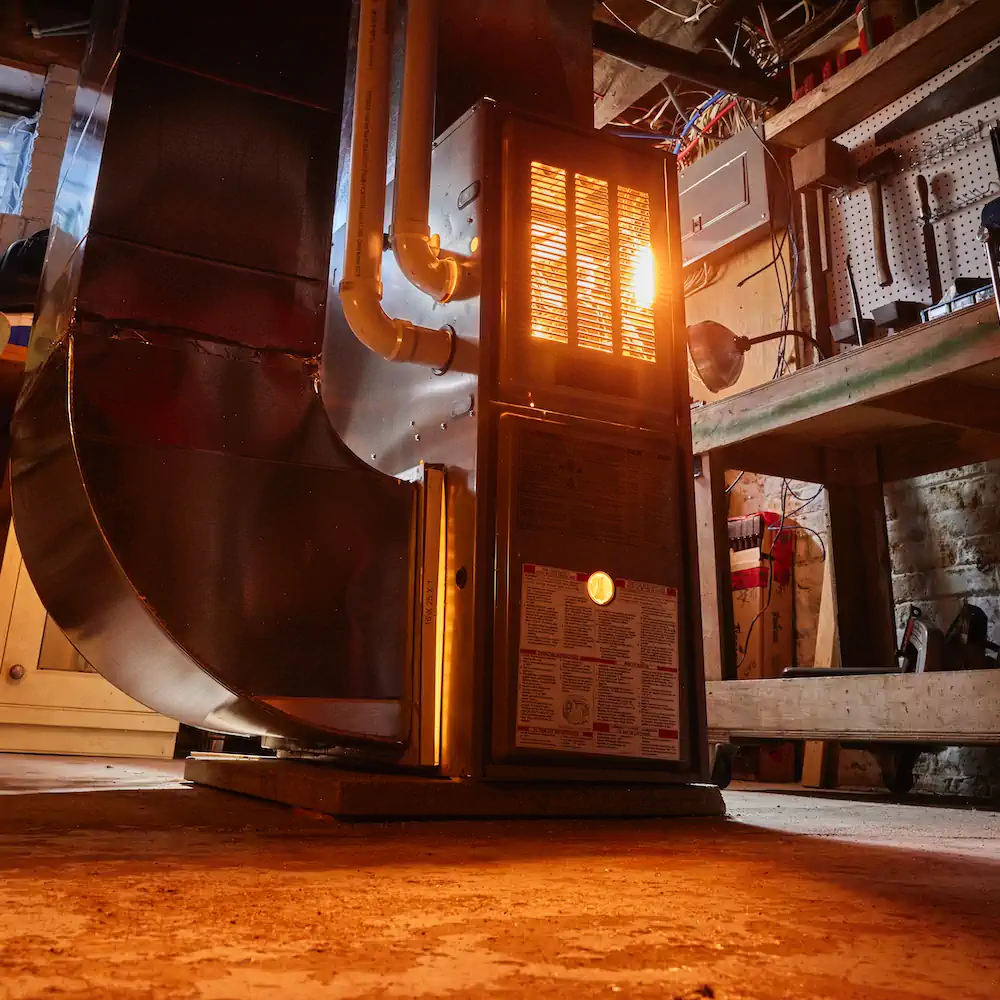
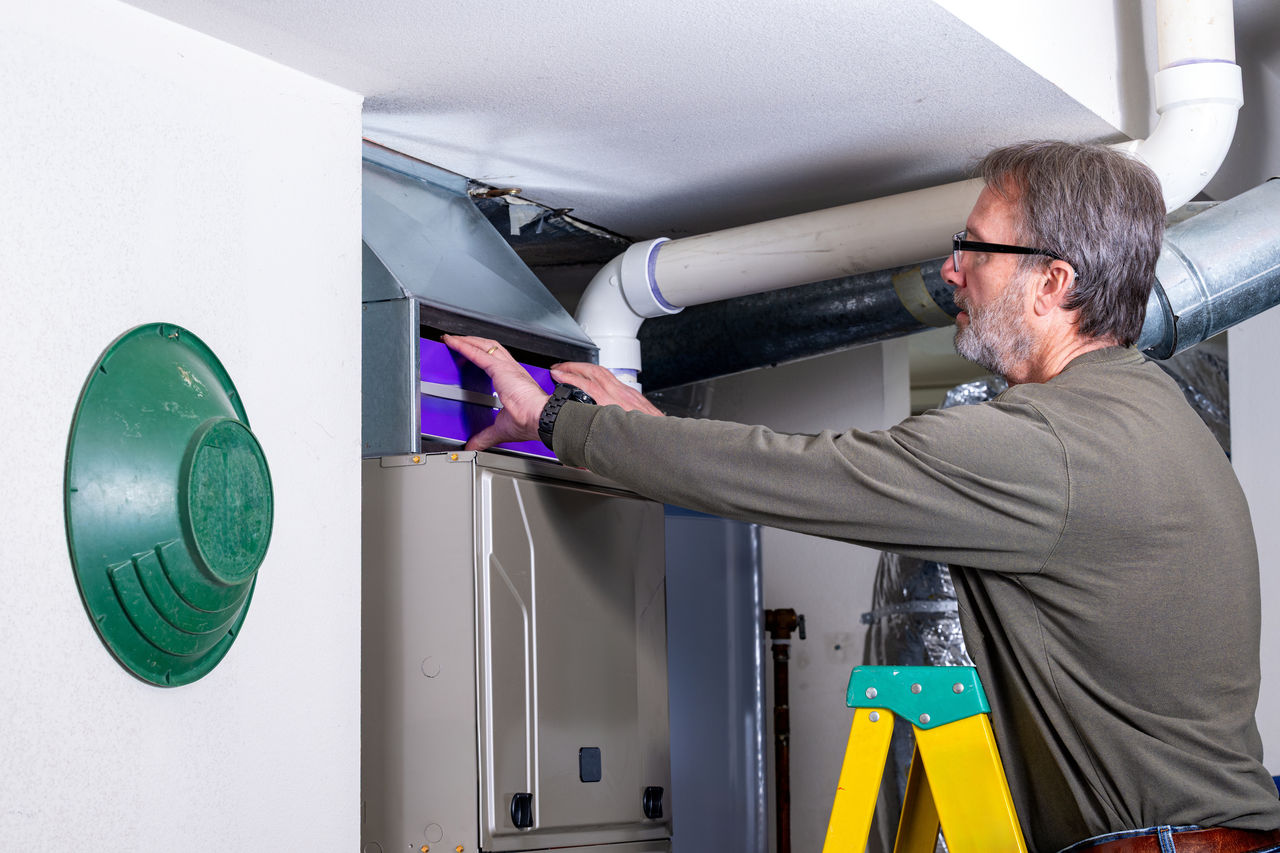
A clogged filter makes your furnace work harder to push the same amount of air, and that shows up as a higher natural gas bill before you notice anything else is wrong.
DIY if: you know your filter size and can commit to doing it every 1-3 months. It’s a five-minute job, but the hard part is finding the right filter size, locating the slot, and remembering to replace it before your furnace starts struggling.
Call a pro if: you haven’t had the whole system looked at in a couple of years. A filter swap catches one problem. A proper furnace tune-up catches the ones you can’t see, like a cracked heat exchanger or an ignition system on its way out.
2. Clean the gutters
Clogged gutters can send water where it doesn't belong, often back toward your foundation or under your shingles, where it can form ice dams once temperatures drop.
DIY if: you're comfortable on a ladder, your home’s a single story, and you’re committed to check all of the gutters and down spouts.
Call a pro if: you’ve got a second story, mature trees dropping a lot of debris, or you just don’t love ladders. A professional gutter cleaner checks downspouts too, which is the part most people forget about.
3. Seal drafts around windows and doors
A drafty window doesn’t just feel cold, it makes your furnace run longer to heat the whole house, which quickly adds up on your energy bill.
DIY if: the fix is weatherstripping or caulk. Both are affordable fixes that require only a little time and patience.
Call a pro if: the draft keeps coming back no matter how many times you reseal it, or you’re noticing condensation between panes. At that point it’s not a sealing problem anymore, it's a window or door replacement conversation.
4. Clean your ducts
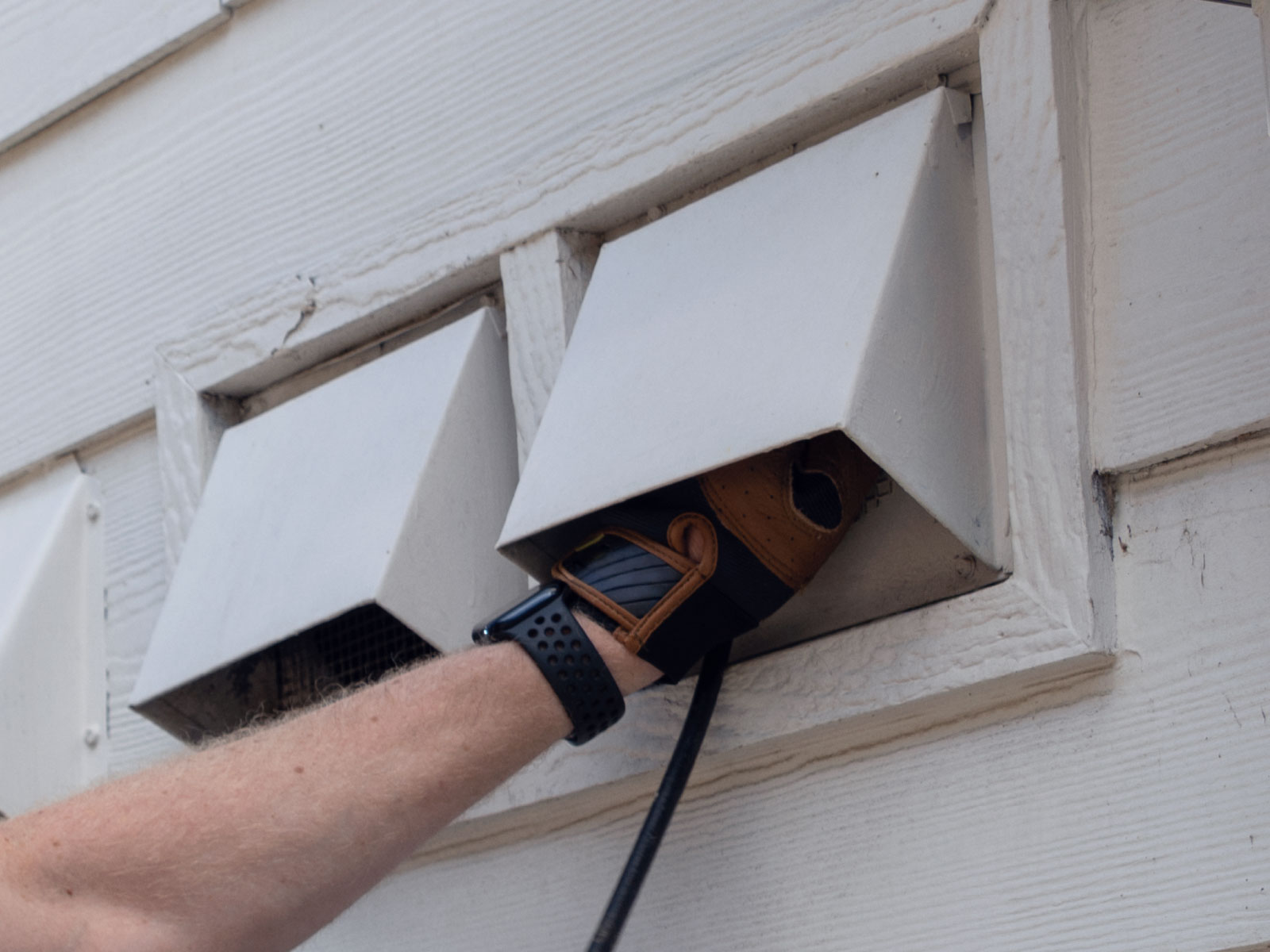
Leaky ductwork loses heated air before it ever reaches a room, which means you’re paying for your furnace to heat spaces nobody’s in, like your attic or the space behind your walls.
You’ll want to call a pro to get the job done safely. Duct cleaning requires tools most homeowners don’t have lying around, and doing it wrong can actually damage the ducts further.
5. Check your eavestroughs
This is different from cleaning them out. Sagging sections, loose brackets, or a slight tilt in the wrong direction means water’s not draining the way it should, even after you've cleared the leaves and debris.
DIY if: it's something obvious, like a downspout that’s come loose and just needs to be reattached.
Call a pro if: you’re seeing sagging, pooling, or separation at the joints. Eavestrough repair now, is a lot cheaper than dealing with foundation damage after a winter of water going where it shouldn't.
FAQs about home maintenance tasks before winter
What home maintenance tasks matter most before winter?
Furnace filter changes, gutter cleaning, sealing drafts around windows and doors, and checking your eavestroughs and ductwork for damage. All of them are affordable now and expensive later if skipped.
Can I do most seasonal maintenance myself?
A lot of it, yes. Filter changes, basic gutter cleaning, and weatherstripping are all reasonable DIY jobs. Anything involving ductwork, a second-story roofline, or a problem that keeps coming back is worth calling a pro for.
How much can small maintenance tasks actually save me?
It varies by task, but the pattern is consistent: A $20 to $100 fix now usually prevents a repair that costs 10 to 20 times as much once the issue has been left long enough to cause real damage.
When’s the best time to do fall home maintenance?
Early fall, before the first real cold snap. It gives you time to book a professional if something needs more than a quick DIY fix.
How do I know if a maintenance task is beyond DIY?
If the problem keeps coming back after you’ve addressed it, or it involves something you can’t see or reach safely, it’s usually a sign to call a professional instead of trying again yourself.