Alberta winters have a way of showing you exactly where your home is losing money. The drafty window in the spare room. The furnace that runs nonstop for months. The natural gas bill that makes you check it twice.
Buyers notice those things too, and they’re asking about them before they make an offer.
Today’s buyers don’t just look at the price of a home. They look at what it costs to live in it. And that’s why energy efficiency has become one of the smartest ways to protect and boost your resale value.
Do energy-efficient homes really sell for more?
Short answer: yes, in most markets.
A study shows that homes with an energy rating sold for about 2.7% more on average. On a $600,000 home, a 2.7% premium works out to about $16,200. That’s a new roof, a lot of furniture, or a renovation budget for your new place!
One way to prove your home’s efficiency to buyers is with an EnerGuide home evaluation. An EnerGuide rating measures how much energy your home uses and provides an official report that buyers can review.

Why buyers pay more for an efficient home
Bills are part of the budget now
Most buyers' budgets are already stretched. When they compare two homes, they don’t just compare mortgage payments. They add the utility bills on top. A home that costs less to heat every month feels more affordable, even at a slightly higher price.
Comfort sells
Nobody wants the bedroom that’s always cold or the main floor that turns into a sauna in July. Good insulation, tight windows and a properly-sized furnace make a home feel better the second you walk in. Buyers notice that, even if they can’t explain why.
Fewer surprises after move-in
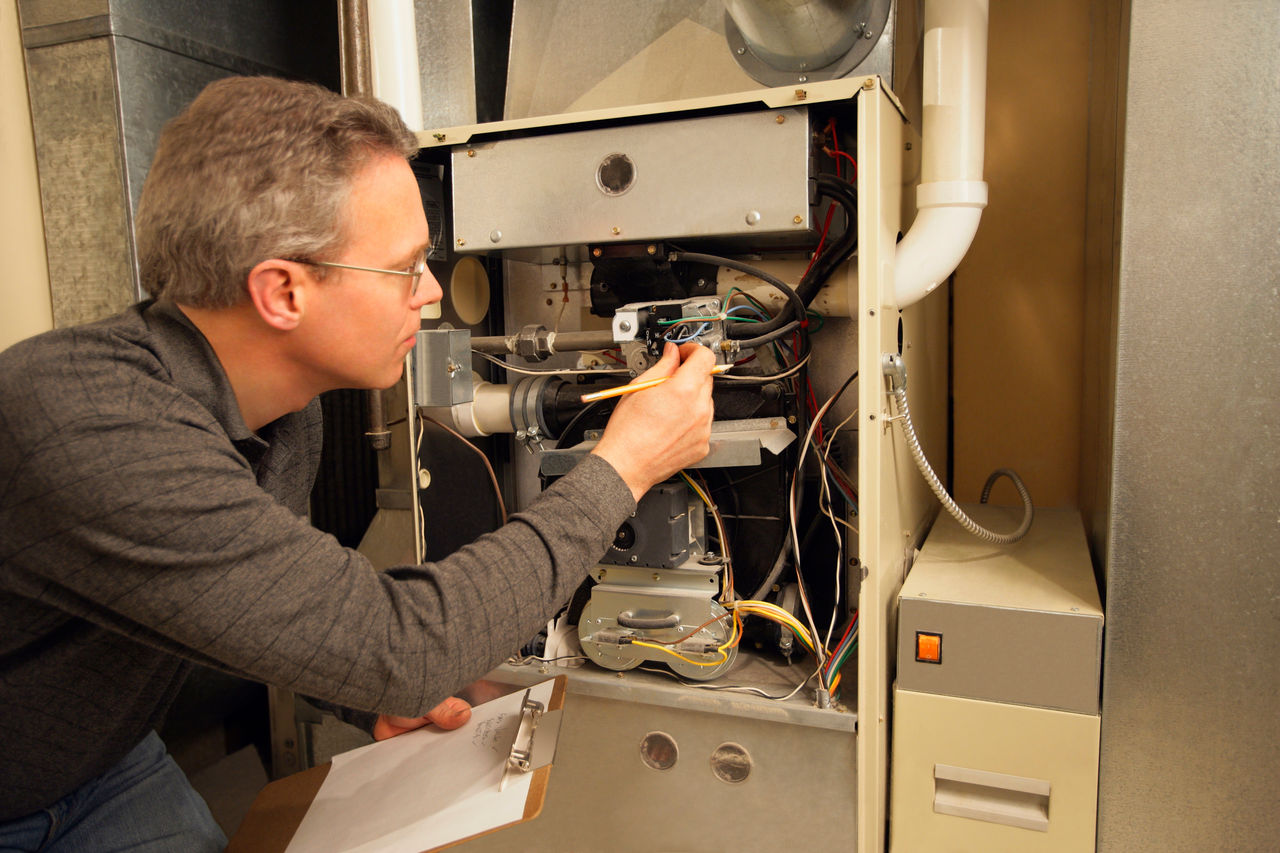
A 20-year-old furnace isn’t a feature. It’s a countdown. Buyers and their home inspectors know that an aging system means a big bill is coming. A newer, high-efficiency system tells them they won’t be shopping for a furnace as soon as they close the deal.
The upgrades that matter most to buyers
You don’t need a perfectly green home. Focus on the upgrades buyers actually care about.
- A high-efficiency furnace - The furnace is one of the first things a buyer or inspector checks. A modern high-efficiency model burns less gas, heats more evenly and takes a major worry off the buyer’s list.
- Windows and doors - Many buyers rate windows, doors and siding as important green features. Drafty windows are easy to spot and feel. Upgraded ones are an easy selling point.
- Attic insulation and air sealing - Topping up attic insulation and sealing leaks around doors, windows and vents can cut heating costs without a huge upfront spend.
- A smart thermostat - It’s low cost, and buyers can see it on the wall. It signals that the home has been looked after.
- An efficient water heater - An old tank near the end of its life is another future expense buyers will mentally subtract from their offer. A newer or tankless unit removes that doubt.
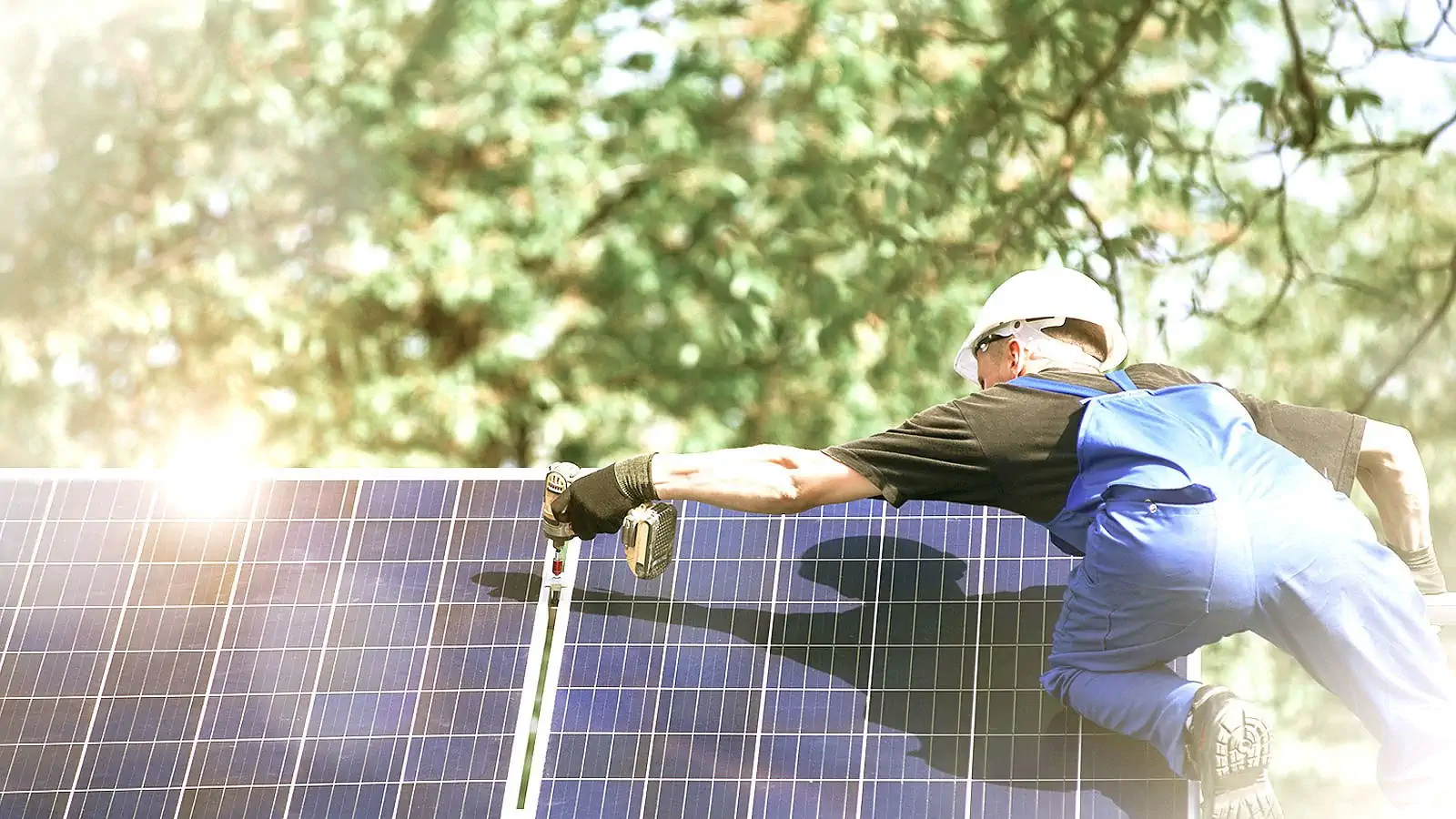
- Solar panels - Alberta gets over 300 days of sunshine each year, and solar can be a strong advantage when it comes to reselling homes. If you have panels, come ready with your production numbers and bill savings.
Will every upgrade pay for itself when you sell?
If you pour tens of thousands of dollars into upgrades a month before listing, don’t expect to get all of it back in the sale price. The real value of energy efficiency shows up in two places:
- First, in lower bills and a more comfortable home while you live there.
- Second, in a stronger, faster sale when you move on.
The sweet spot is upgrading things that are close to the end of their life anyway. If your furnace or windows are already due for an upgrade, choosing the efficient option is an easy call.
The bottom line
Energy-efficient upgrades aren’t just about lowering your utility bills. They’re about making your home more comfortable today and more attractive to buyers tomorrow. The right improvements can help reduce monthly costs, ease buyer concerns and give your home an edge when it’s time to sell.
You don’t need to tackle everything at once. Start with upgrades that make the biggest difference to comfort and energy use, especially if existing systems are nearing the end of their life. Chances are, you’ll enjoy the savings while you live there and be glad you made the investment when it’s time to hand over the keys.
Frequently asked questions
Do energy-efficient homes have higher resale value?
Yes, in most markets. Energy-efficient homes sell for about 2.7% more on average. They also tend to attract more buyer interest and can sell faster.
How much value does energy efficiency add to a home?
Most research puts the premium between 2% and 8% of the sale price. On a $600,000 home, that's roughly $12,000 to $48,000. The exact number depends on your market, the upgrades you've made and how well you document them.
Which energy-efficient upgrade adds the most resale value?
In cold climates like Alberta, a high-efficiency furnace is one of the most valuable upgrades because buyers and inspectors check it first. Windows, doors and attic insulation are also highly valued.
Does a new furnace increase home value in Alberta?
A new high-efficiency furnace makes your home more appealing and removes a major expense from the buyer’s to-do list. That often leads to stronger offers and fewer price negotiations after inspection, even if the sale price doesn’t go up by the full cost of the install.
What is an EnerGuide rating and does it help when selling?
An EnerGuide rating is the Government of Canada’s official measure of a home’s energy performance, shown in gigajoules per year. The lower the number, the better. It gives buyers proof of how efficient your home is, and it may help increase resale value.
Is it worth making energy-efficient upgrades right before selling?
It depends. Big upgrades done just before listing rarely pay back in full. Small, visible fixes are usually worth it because they ease buyer concerns. Think air sealing, a smart thermostat or replacing a furnace that’s near the end of its life.