Most of us don’t think about our pipes until something goes wrong. Then it’s a cold morning, a tap that only trickles, and a lot of guessing.
Alberta winters are hard on plumbing. Pipes can start to freeze when it drops below -10°C, and the risk increases significantly once temperatures reach -25°C.
Here are the problems that show up most in winter, and what you can do before the cold hits.
Frozen pipes
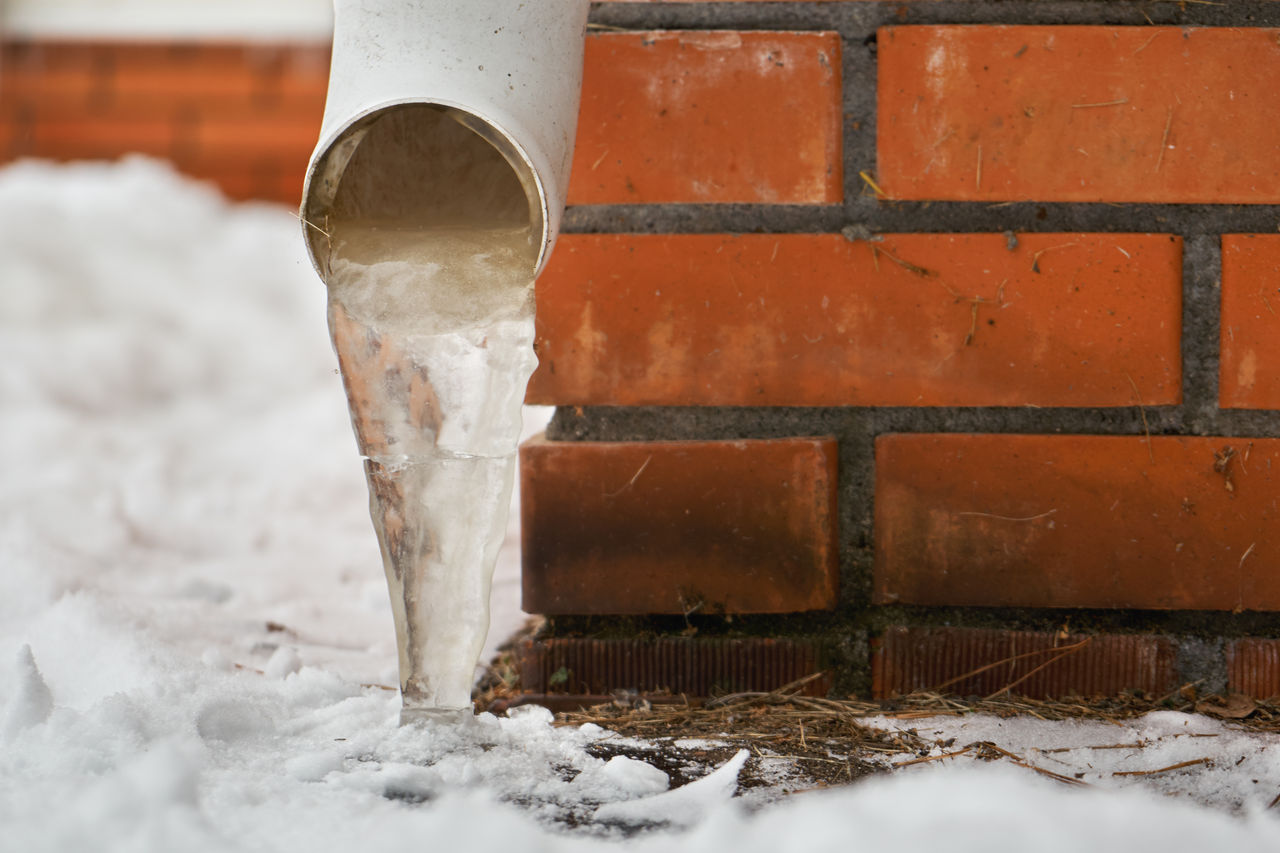
Water expands as it freezes, which puts pressure on the pipe. Sometimes the pipe holds, but sometimes it splits.
Location of pipes most at risk of freezing:
- Pipes along exterior walls
- Pipes in the garage, crawl space or unheated basement
- Pipes under kitchen and bathroom sinks on outside walls
- Outdoor taps and the lines that feed them
Burst pipes
A frozen pipe usually isn’t the damage. The damage comes when the pipe thaws and a crack or split lets water to escape.
Warning signs:
- A tap that trickles or gives no water at all
- Frost on the outside of a pipe
- Damp spots, stains or pooling water near plumbing
- Strange smells from a drain
Slow or frozen drains
Cold weather can make drain problems worse, especially in lines that run through unheated spaces. Grease and soap buildup that you didn’t notice in summer can turn into a full clog when the pipe gets cold.
Easy habits that help:
- Keep grease out of the kitchen sink
- Use a drain catch in the shower and tub
- Run hot water for a minute after washing dishes
Outdoor taps and hoses
If a hose stays attached all winter, water can get trapped in the outdoor faucet and freeze. As it expands, it can crack the pipe inside your wall, causing a leak you may not discover until spring.
Before the first deep freeze:
- Disconnect and drain your hoses
- Shut off the interior valve that feeds the outdoor tap
- Open the outdoor tap to let any leftover water out
Sump pump trouble
Sump pumps don’t get much attention until the snow starts melting. A pump that’s frozen, clogged or dead can leave you with a wet basement on the first warm day.
Check it before winter and again before the spring thaw:
- Pour a bucket of water into the pit and watch it switch on
- Make sure the discharge line is clear of ice and snow
- Listen for grinding or rattling
How to stop pipes from freezing
- Keep your heat on. Set the thermostat to at least 15°C, even when you’re away.
- Insulate exposed pipes. Foam pipe sleeves are affordable and easy to find at any hardware store. Start with basements, garages and crawl spaces.
- Seal air leaks. Gaps around windows, doors and where pipes enter the house let cold air blow right on them. If you haven’t done this yet, our guide on sealing drafts covers the basics.
- Open the cabinet doors. Let warm air reach the pipes under sinks on outside walls, especially overnight.
- Let a tap drip in a deep freeze. Moving water is harder to freeze. Choose a tap on an outside wall.
- Know your main water shutoff valve. Make sure everyone in the house knows where it is and how to turn it off in an emergency.
What to do if a pipe freezes
Stay calm, and don’t rush it.
- Open the tap slightly so water can flow once the ice melts.
- Gently warm the pipe with a hair dryer or space heater.
- Work from the tap back toward the frozen part.
- Never use an open flame.
If you can’t reach the pipe, can’t thaw it safely, or you see water where it shouldn’t be, shut off the main valve and call a plumber.
When it’s time to call a pro
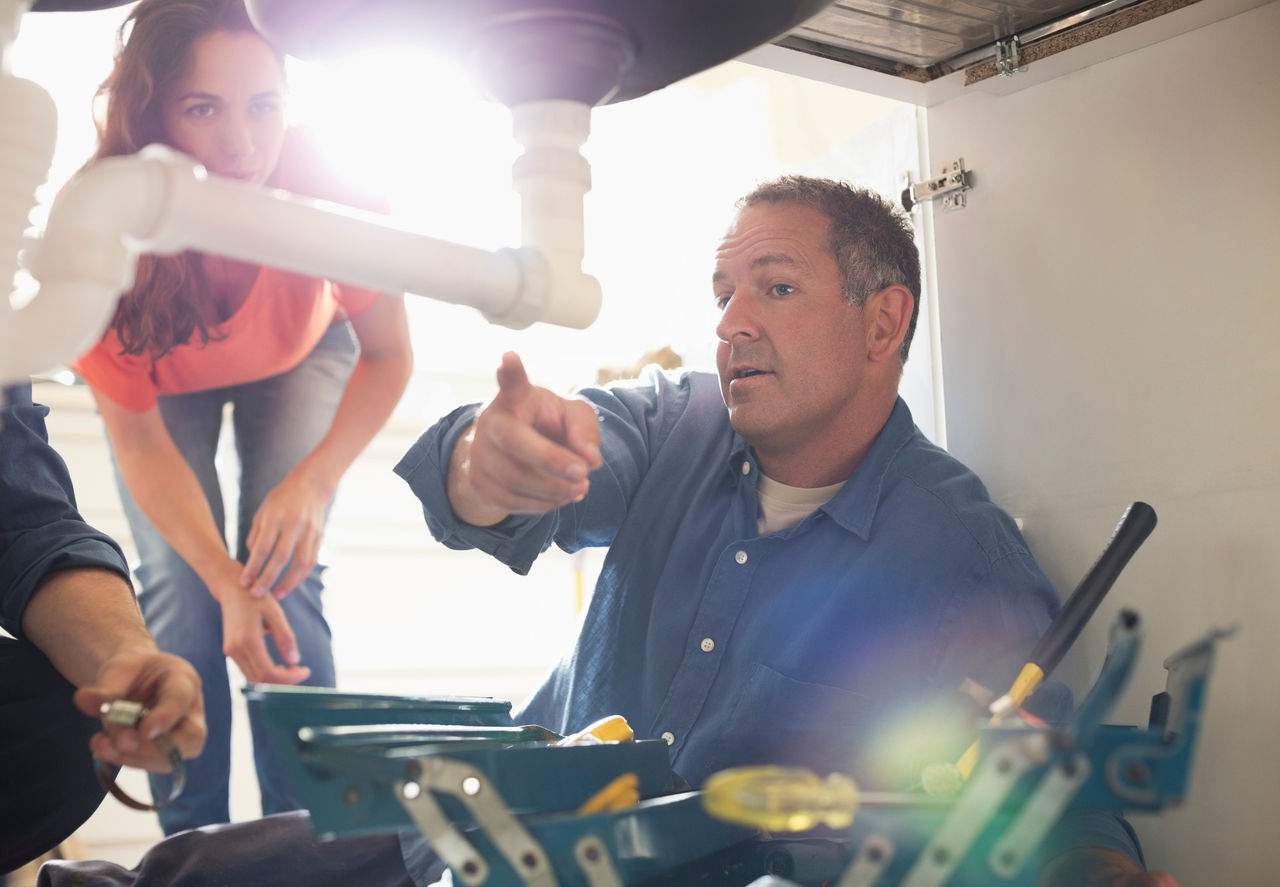
DIY is fine for insulating pipes and disconnecting hoses. Some things are better left to someone who does it every day:
- A burst or leaking pipe
- Pipes that keep freezing in the same spot
- Low water pressure that doesn’t make sense
- A sump pump that won’t start
ATCO Energy’s plumbing pros cover can handle frozen pipes, leaks, sump pumps and other repairs, so you’re not hunting for a plumber while your basement fills up.
Frequently asked questions about winter plumbing problems
At what temperature do pipes freeze?
Water freezes at 0°C, but pipes inside walls and unheated spaces can start to freeze when outdoor temperatures drop below about -10°C.
How can I tell if my pipes are frozen?
The most common sign is a tap that trickles or gives no water. You might also see frost on exposed pipes or hear odd noises when you turn on a tap.
Should I leave my taps dripping in winter?
During a serious cold snap, yes. A slow drip keeps water moving, which makes it harder to freeze.
Is it safe to use a hair dryer on a frozen pipe?
Yes, using a hair dryer is a safe, effective method to thaw a frozen pipe if done slowly and carefully.
What should I do if a pipe bursts?
Shut off the main water valve right away, open a tap to relieve pressure, and call a plumber. If water is near electrical outlets or panels, stay clear and call an electrician too.
Do I need to shut off my outdoor taps for winter?
Yes. Disconnect your hoses, shut off the interior valve that feeds the outdoor tap, and drain what’s left.