Your air conditioner doesn’t know your budget. It just sees the thermostat set to 21°C and works until it gets there, no matter the cost.
But that doesn’t mean you’re have to be stuck with high energy bills. A few small changes to how you cool your home can add up to real savings, without sweating through summer.
Here’s where to start.
Set your thermostat a few degrees higher
Bumping your thermostat up by even 2 to 3 degrees during the day takes real pressure off your A/C.
Try keeping it around 24–25°C when you’re home and let it climb a bit higher when you’re out or asleep. Your A/C runs less, and you'll barely notice the difference.
If adjusting it manually feels like a hassle, a smart thermostat can take it off your plate. Set a schedule once, and it will automatically ease off while you’re away, then cool things down before you’re back.
Keep the heat out before it gets in
The easiest way to reduce cooling costs is to stop heat from building up in the first place.
During the day:
- Close blinds or curtains on the sunniest side of the house
- Use blackout or light-blocking curtains in rooms that get direct sun
- Keep exterior doors shut
Your A/C is already fighting outdoor heat all day. Don’t make its job harder by letting more of it in.
Replace your air filter
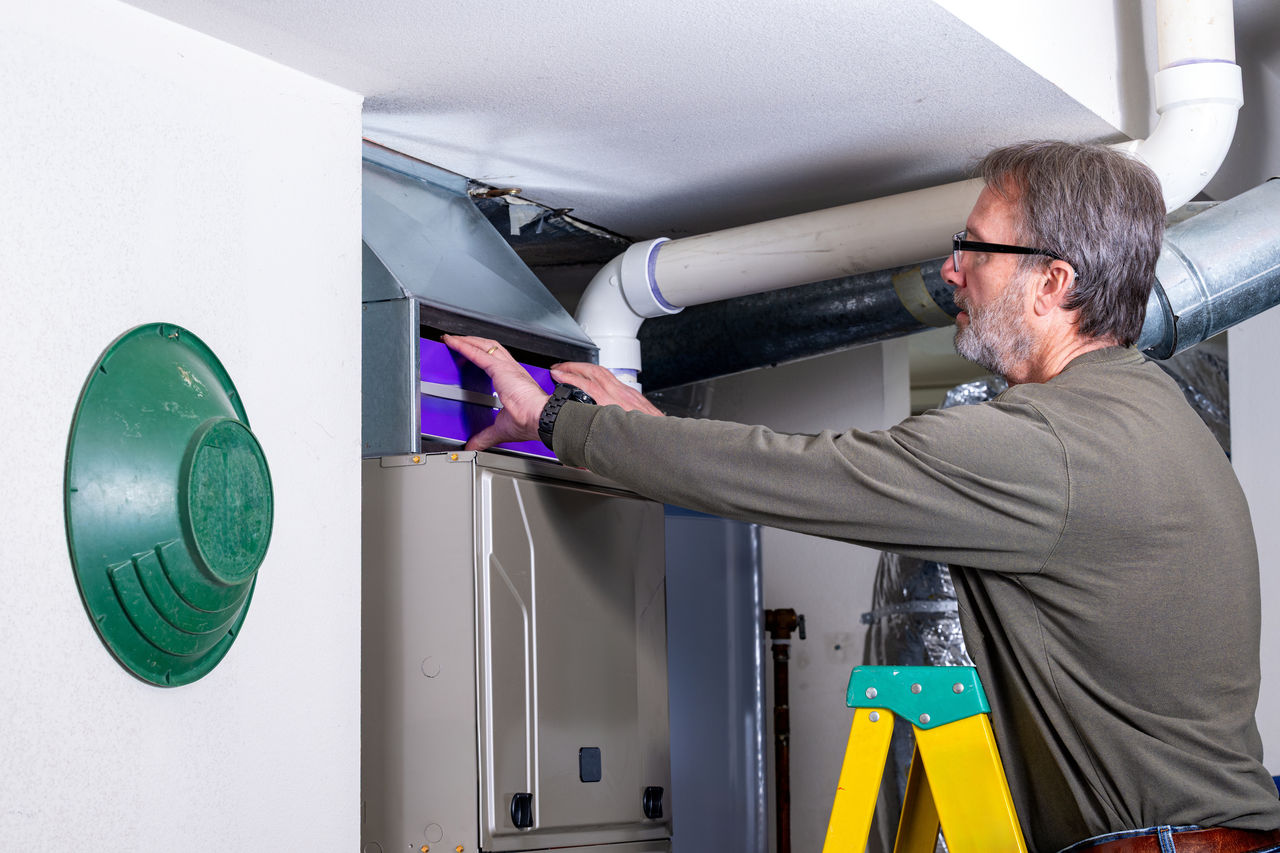
A dirty air filter makes your system push harder to move air through it. That extra effort shows up on your energy bill.
Check your filter every month during peak cooling season. Swap it out when it looks clogged or dusty, usually every 1 to 3 months depending on your home and whether you have pets.
Use fans to help your A/C
Fans don’t lower the temperature, but the breeze they create helps your body feel cooler.
That means you can nudge the thermostat up a degree or two and still stay comfortable. Set ceiling fans to counterclockwise in summer to push cool air downward, and use them alongside your A/C rather than relying on either one alone.
Watch for hidden heat sources
Heat-generating appliances work against everything your A/C is trying to do.
On hot days:
- Save the oven for cooler evenings, or skip it altogether
- Run your dishwasher and laundry at night
- Switch to LED bulbs, which give off less heat than older bulbs
None of these changes are major on their own, but together they reduce the overall load on your A/C system.
Give your outdoor A/C some breathing room
Your outdoor A/C unit needs airflow to do its job well. If it’s boxed in by plants, leaves, or debris, it has to work harder.
Clear at least two feet of space around the unit. Keep it free of grass clippings, leaves, and anything else blocking airflow. A unit that can breathe easy runs easier, which means lower costs for you.
.jpg)
Book a tune-up before the heat hits
An A/C unit that hasn't been checked in a while is more likely to run inefficiently, or worse, fail right when you need it most. A seasonal tune-up catches small issues before they turn into expensive ones, and keeps your system running its best all summer.
Frequently asked questions about reducing A/C costs
What temperature should I set my thermostat to in summer?
Around 24–25°C when you’re home is a good balance between comfort and cost. Letting it rise a bit higher when you’re away or asleep adds even more savings.
How often should I change my A/C filter?
Ideally every 1 to 3 months during summer. A dirty filter makes your system work harder and costs you more.
Does closing curtains actually help cool a home?
Yes. Blocking direct sunlight, especially in the afternoon, keeps rooms from heating up and reduces how much your A/C has to work.
Is it cheaper to leave the A/C on all day or adjust it?
Letting the temperature rise slightly while you’re out and cooling it back down when you return is usually more efficient than running it at one steady temperature all day.
How do I know if my A/C needs a tune-up?
If it’s been more than a year since your last check, or your system sounds like it's working harder than usual, it's worth booking a tune-up before the peak of summer hits.