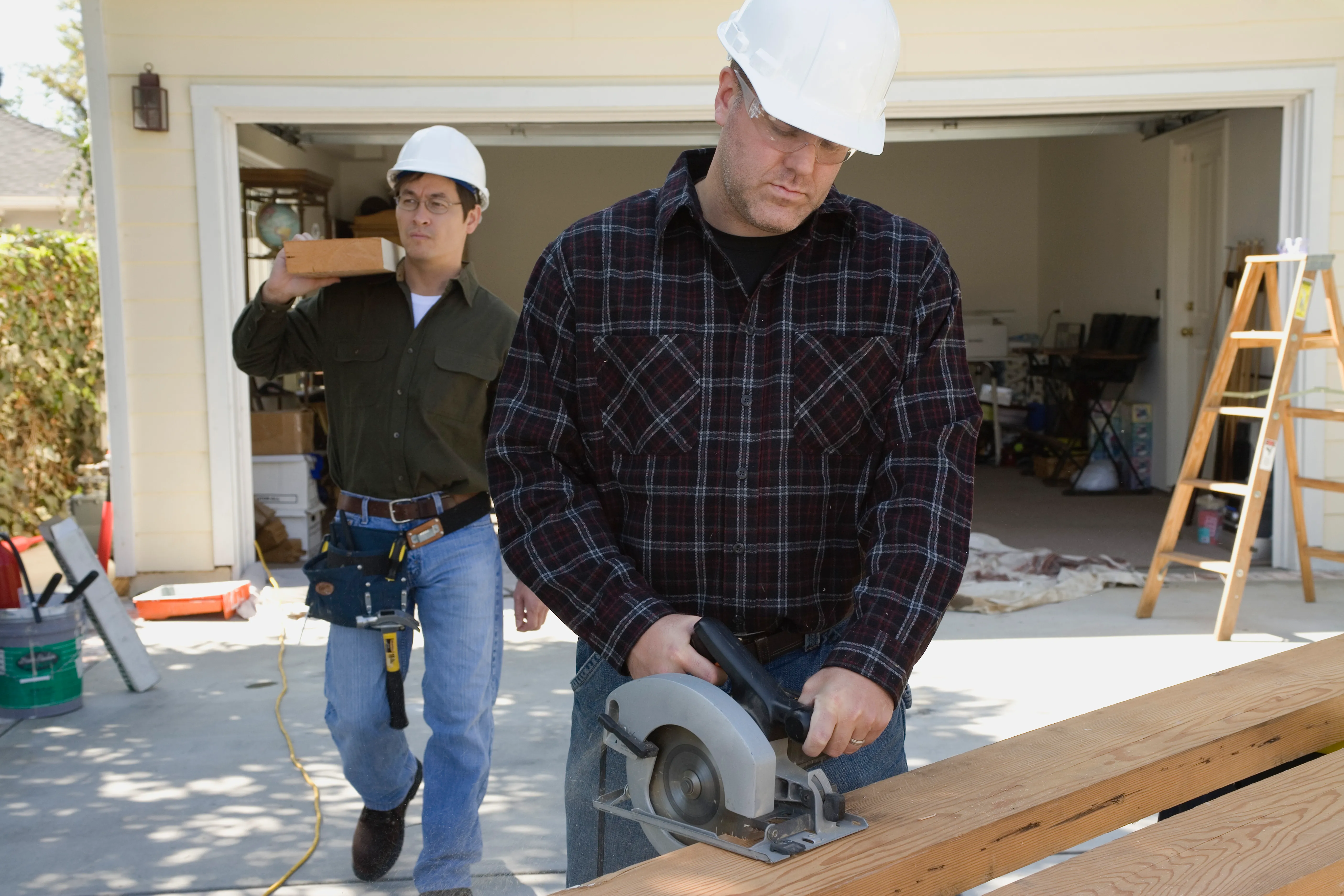
There’s a certain pride in fixing something yourself. A leaky faucet, a squeaky door, a shelf that finally gets hung straight. It feels good, and it usually saves you a few bucks too.
But not every job ends that way. Some projects look simple on a video and turn complicated fast once you’re the one holding the tools. A quick fix turns into a second trip to the hardware store, then a bigger repair than the one you started with.
Knowing which jobs to tackle yourself and which ones to hand off makes the difference between a satisfying weekend project and an expensive lesson.

What DIY is genuinely good for
Some tasks are low risk, low skill, and hard to mess up badly enough to cause real damage. These are the ones worth doing yourself.
- Painting a room
- Assembling furniture
- Replacing a cabinet handle or light switch cover
- Caulking around a tub or sink
- Basic yard work and outdoor cleanup
- Swapping air filters or smoke detector batteries
These jobs reward patience more than skill. If you mess one up, the fix usually costs a few dollars and an hour of your time.
Where DIY starts costing you more
Some projects seem simple until you’re two hours in and realize the problem is bigger than you thought, or that fixing it wrong created a second problem.
- Electrical work. A wiring mistake isn’t just inconvenient, it’s a fire risk. Most electrical repairs also require a licensed electrician by code.
- Plumbing beyond a clogged drain. A small leak fixed incorrectly can turn into water damage that costs thousands to repair.
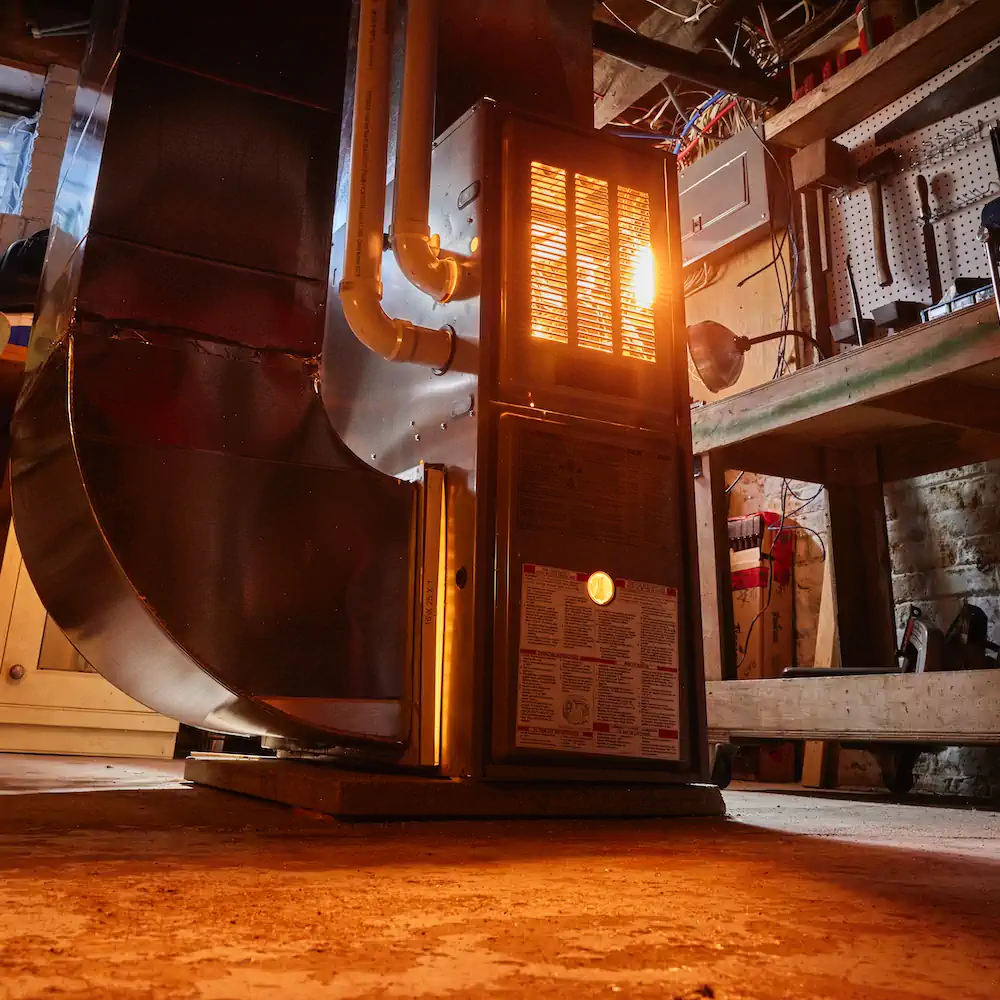
- Anything involving your furnace or A/C. These systems are complex, and a mistake can affect your safety, not just your comfort.
- Roofing. It looks straightforward from the ground. It isn’t, and falls are one of the most common home injuries.
The hidden cost of DIY: time and tools
Even when a job is safe to DIY, it isn’t always worth it. A handyman with the right tools and experience might finish in an hour what takes you an entire Saturday, plus a trip to the hardware store for a tool you’ll use once.
Add up the cost of specialty tools, the hours spent, and the redo if it doesn’t go right the first time, and the math often favours calling a pro.
What you actually get from a professional
A good handyman brings more than just the fix. They bring:
- Experience with the specific problem, not just a general idea of how it should work
- The right tools already in the truck, no extra trips required
- A warranty on the work, so if something goes wrong, it gets fixed
- An eye for related issues you might not have noticed
- More time for you to spend at your leisure

Should you DIY or call in a pro?
Before starting a project, ask yourself three questions:
- If I get this wrong, what’s the worst outcome?
If it’s a repaint or a redo, go ahead. If it’s water damage, electrical risk, or a safety hazard, call a pro. - Do I have the right tools, or will I need to buy them?
If you’re buying a tool for a one-time job, getting professional help for the job is often cheaper. - How much is my time actually worth here?
An afternoon spent troubleshooting is still an afternoon.
If two of the three point toward calling someone, it’s probably time to call someone.
DIY is great for the small stuff. It builds confidence, saves money, and feels satisfying when it works. But bigger jobs, anything involving electrical, plumbing, gas, or your home’s structure, come with real risk if they go wrong. A professional brings the experience, tools, and warranty to get it done right the first time.
Frequently asked questions
How do I know if a repair is too risky to DIY?
If it involves electrical wiring, gas lines, plumbing beyond a simple clog, or your home’s structure, it's worth calling a professional. The risk of a mistake goes beyond redoing the work.
Is hiring a handyman actually cheaper than DIY?
Often, yes. Once you account for tools you’d need to buy, the time spent, and the cost of fixing a mistake, a professional visit can come out even or ahead.
What’s a good first project for someone new to DIY?
Painting, assembling furniture, or small cosmetic fixes like swapping hardware are low risk and a good way to build confidence.
Do handymen offer warranties on their work?
Most professional services back their work with a warranty, so if something isn't right, it gets fixed at no extra cost. That’s not something a DIY fix comes with.
Can a small DIY mistake really turn into a bigger problem?
Yes. A loose plumbing connection or an incorrect electrical fix might look fine at first, then cause water damage or a safety issue down the line.





.jpg)