As we welcome a new year, saving money and making more conscious choices might be on your list of resolutions. So how does your utility bill play into these? It can have quite an impact on your budget, especially during the chilly winter months in Alberta.
You're already putting in the effort to keep your home cozy, but what if that warmth is escaping through sneaky cracks and gaps? We've got some savvy strategies on how to save energy at home, seal in the warmth and cut down on your monthly energy bills.
Why energy efficiency matters in Alberta winters
Cold snaps and long heating seasons mean even small inefficiencies can quickly add up. Improving your home’s energy performance can:
- Lower monthly heating bills
- Reduce drafts and cold spots
- Extend the life of your HVAC equipment
- Boost year-round comfort
- Increase your home’s value and efficiency score
Before making upgrades, it’s helpful to assess the current state of your home’s energy use.
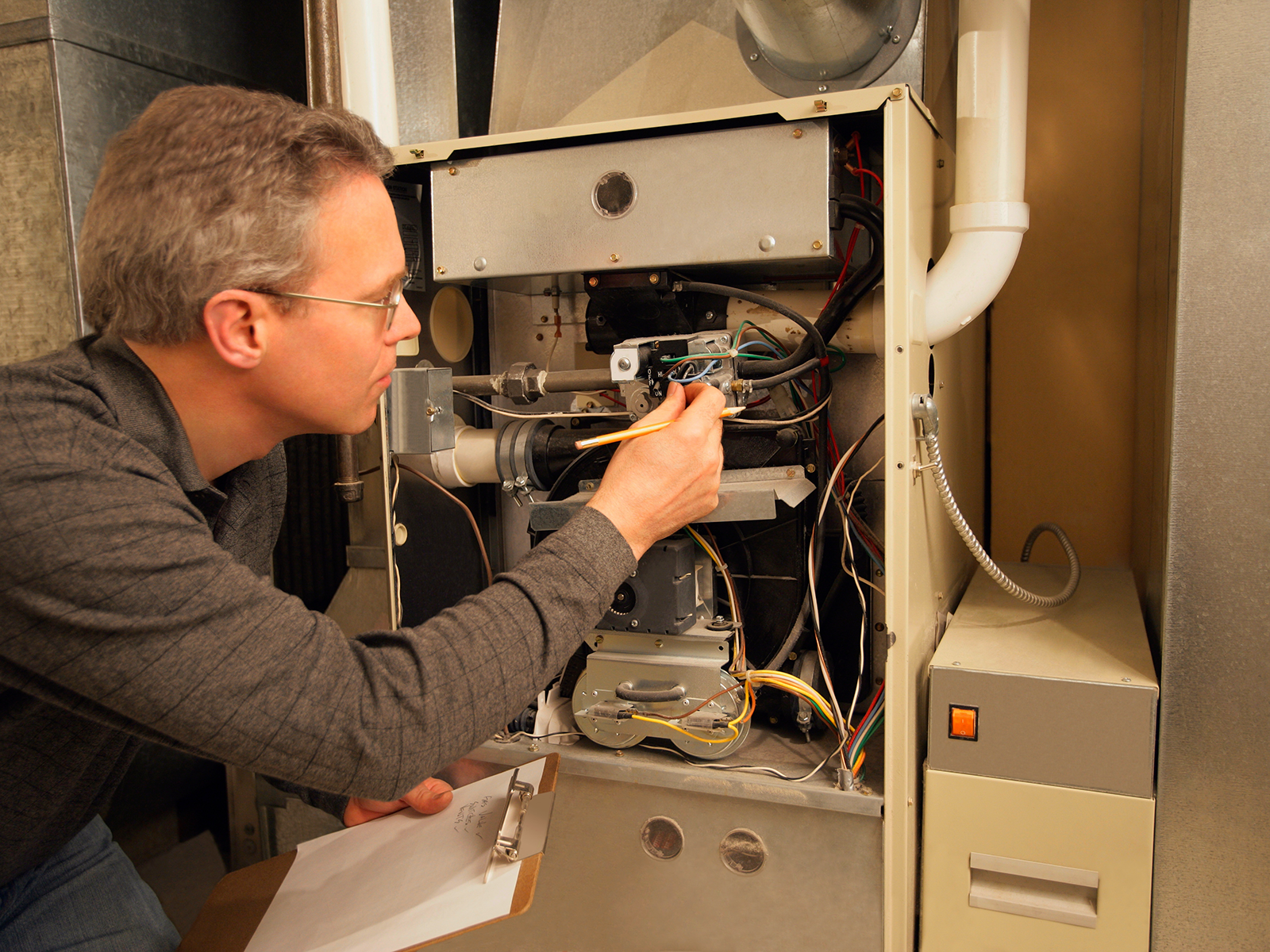
Assessing your energy efficiency
A quick evaluation helps you understand where heat is escaping and what improvements will give you the biggest return.
Step 1: Review your energy bill
Look for:
- Month-to-month changes
- Seasonal usage spikes
- Differences from last year
- Whether your current rate plan fits your home’s needs
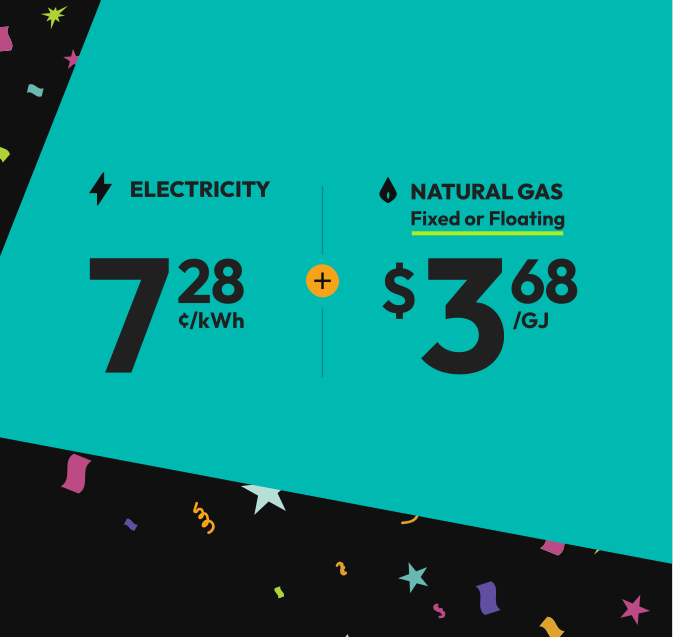
If you’re unsure, ATCO Energy can help you compare plans and choose one that fits your budget. And switching only takes about 10 minutes.
Step 2: Conduct a home energy audit
This involves a comprehensive assessment of your home, similar to what the experts do during a home inspection. The audit identifies any areas of your home that are reducing its energy efficiency. You can start with a simple walkthrough:
- Notice cold areas, drafts, or fluctuating temperatures
- Look for obvious gaps near windows, baseboards, or outlets
- Check your attic or exposed areas for insulation condition
Step 3: Evaluate your current insulation
Determining what is beneath your drywall is key to understanding areas for improvement. To help you get started, here's a to-do list:
1) Check for damage
Look for:
- Compressed or worn insulation
- Gaps, cracks, or missing areas
- Cold walls, cold floors, or unusually chilly rooms
- Drafty outlets, foundation cracks, or cold ceilings
Drafts can cause higher heating bills or even frozen pipes during extreme weather.
Pro tip: Don’t forget to check for drafts and damage around electrical outlets, floor drains, and foundation cracks. These areas can let out precious warm air or indicate a lack of proper insulation.
2) Inspect R-values
When it comes to checking your home's insulation, it's important to understand R-values. These values represent how well insulation resists the transfer of heat. The higher the R-value, the better the insulation.
In Alberta, it's recommended to aim for R-values between R49 and R60. This translates to about 14 to 25 inches of insulation depth, depending on the type.
To make sure your insulation meets or exceeds these values, consider hiring a home inspector. They have the expertise to evaluate your insulation and ensure it maintains optimal efficiency, reducing heat loss or gain, and cutting down on heating and cooling expenses.
Check the quality of your windows and doors
Don't underestimate the power of your windows and doors! They're not just there for looks — they play a crucial role in keeping your home energy-efficient. Inefficient windows and doors can cause up to 25% of your home's heat loss.
1) Check for gaps and cracks — every little gap contributes to heat loss
Look for:
- Damaged or missing weatherstripping
- Foggy or condensation-prone glass
- Cracked seals
- Crooked frames
- Drafts during windy days
If you notice any of these signs, they most likely affecting your home's efficiency.
Pro-tip: Want a DIY way to check for a draft? Simply light a match or candle and pass it near the edges of your windows and doors. Look for any changes in how the smoke rises or travels!
2) Have your home inspector evaluate your windows
Expert home inspectors have thermal imaging technology, which indicates if your windows and doors are impacting the temperature in your home. They can also confirm whether your windows are:
- Double-glazed
- ENERGY STAR® certified
- Low-E coated (ideal for Alberta winters)
We have expert home inspectors who will assess whether your windows and doors meet the Alberta Building Code's energy standards. They can also tell you your windows and doors are causing you to pay higher energy bills.
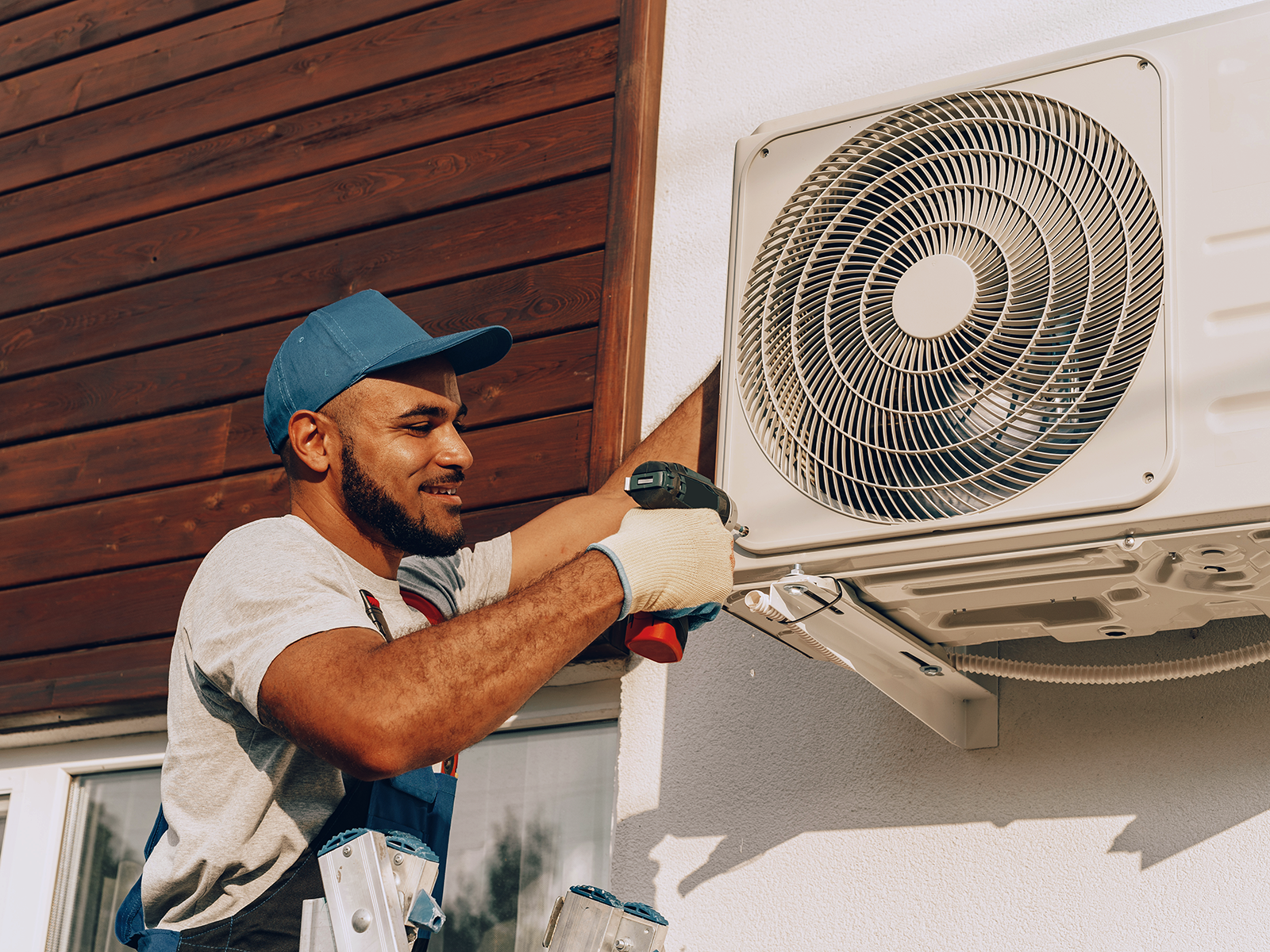
Check HVAC systems
Monitoring the energy efficiency of your HVAC system isn't just about staying cozy. It's also important in reducing your utility bills.
1) Consistency is key
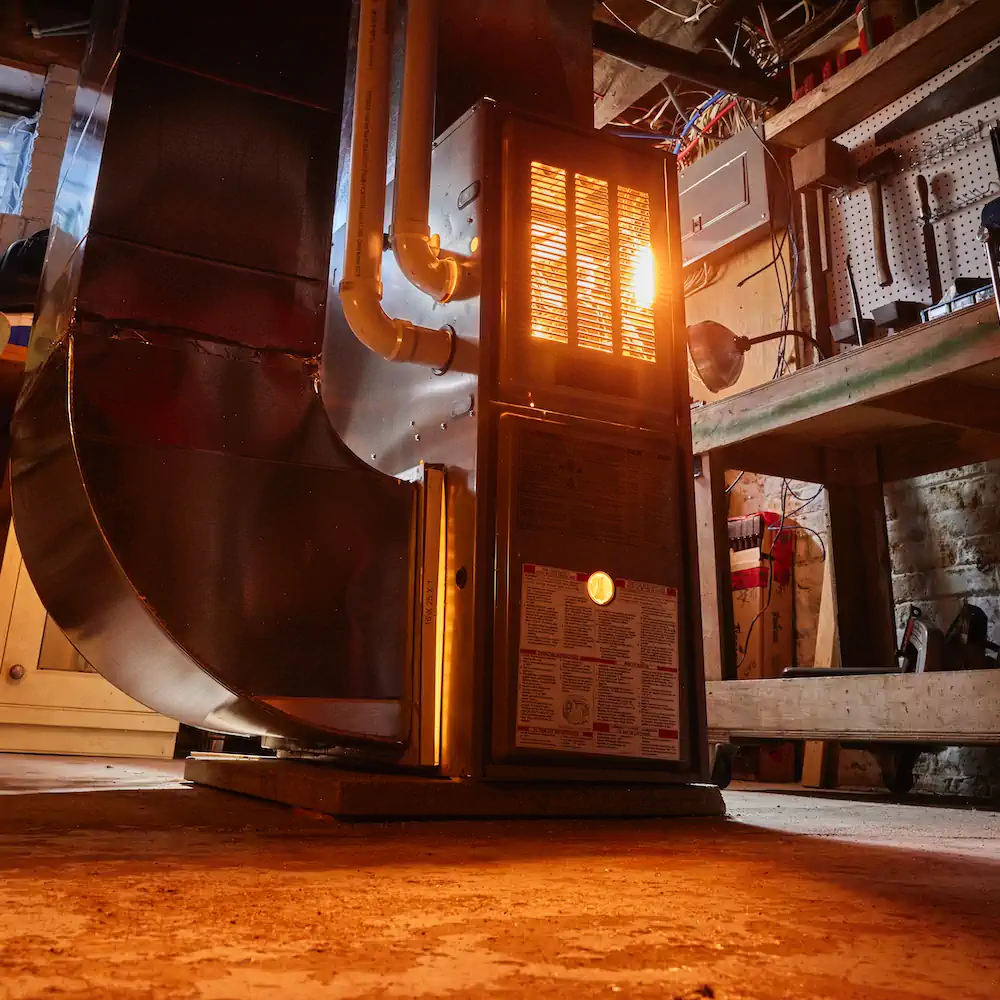
Check that your HVAC system consistently delivers comfortable temperatures and airflow throughout your home. Uneven heating may signal:
- Blocked vents
- Duct leaks
- A failing furnace motor
- Thermostat issues
Also watch for unusual noises, odors, or frequent cycling—these often indicate inefficiencies.
2) Adhere to maintenance
Maintaining your HVAC system is essential for optimal performance and energy efficiency. Keeping your system up-to-date and well-maintained can make a real difference to your energy bill.
To maintain peak performance:
- Book annual furnace and A/C tune-ups
- Replace or clean filters regularly
- Keep vents clear
You can also check the ratings of your units to see how energy-efficient they are. Look for the Seasonal Energy Efficiency Ratio (SEER), Energy Efficiency Ratio (EER), and Annual Fuel Utilization Efficiency (AFUE) values. Higher values mean better energy efficiency.
Find this information in your user manual or chat with a home inspector to see how your unit holds up against Alberta's Building Code and energy efficiency regulations.
Seal in the heat: Implementing effective strategies
Now that you know what could be causing that cozy heat to sneak out, it's time to make a plan to seal it in to save energy at home. Let’s take a further look…
DIY sealing
Simple improvements like these can make a big difference:
- Caulking gaps
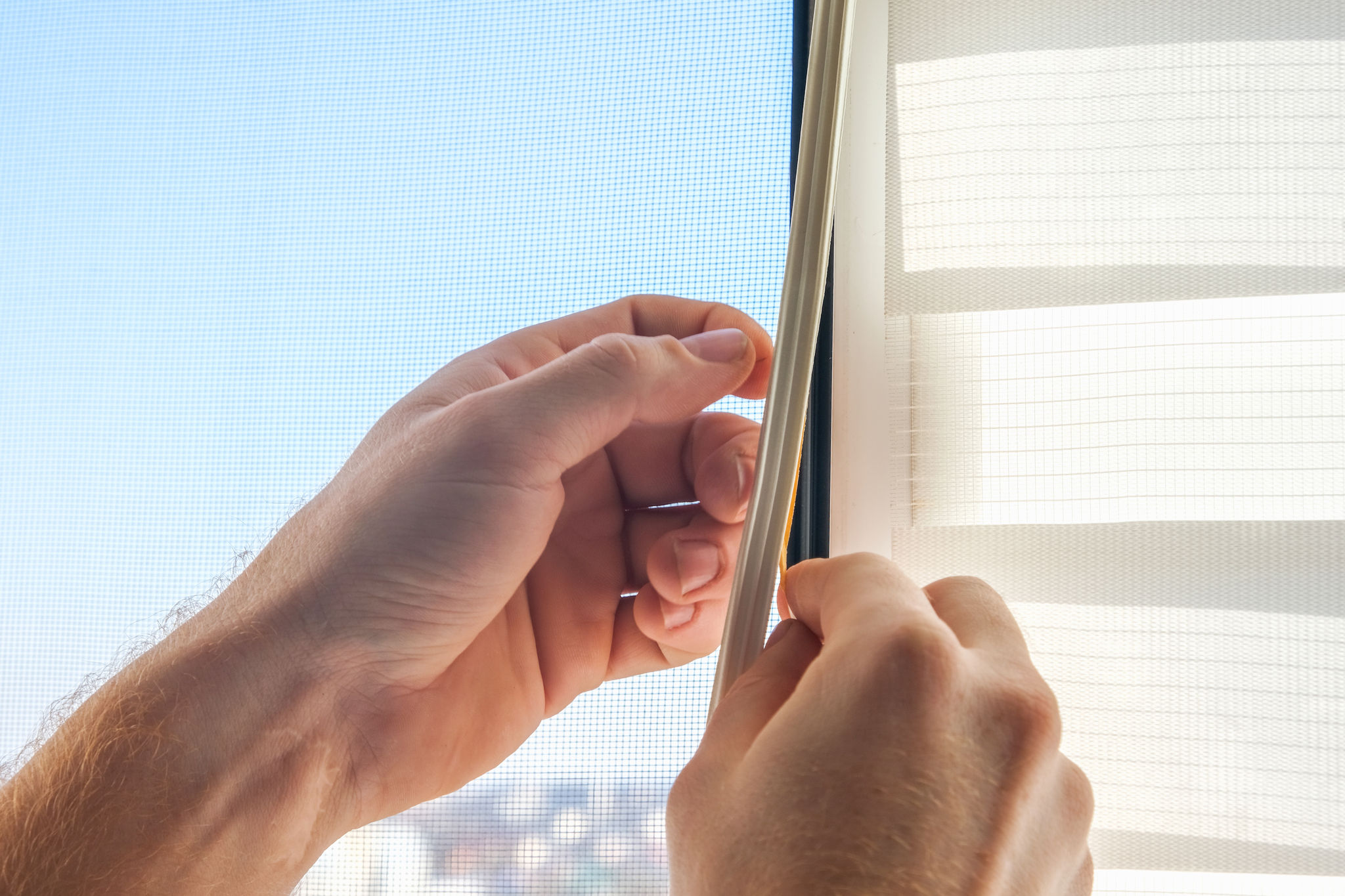
- Adding or replacing weatherstripping
- Sealing areas around pipes, wiring, and vents
- Using foam gaskets behind outlets and switch plates
If a problem seems beyond DIY, call in a professional for advice.
Upgrade your insulation
Over time, insulation loses its effectiveness, decreasing its insulation R-value. Modern insulation materials offer higher efficiency than older types. Consider:
- Attic insulation upgrades (one of the biggest heat-loss areas)
- Wall or basement insulation improvements
- Adding insulation during exterior renovations
- Replacing old insulation to improve thermal control
- Ensuring proper air and moisture barriers
Modern insulation not only helps regulate the temperature but can also significantly reduce your energy bills.
Install energy-efficient windows & doors
Are your windows and doors serving as unintentional vents, allowing your cozy warm air to escape outdoors?
A poorly installed or maintained window, door, or skylight can lead to condensation, cold drafts or even let water leak into your home. Investing in energy-efficient options (with proper installation) can be a game-changer.
These choices not only conserve energy but also enhance the comfort of your living spaces by helping to create comfortable and consistent temperatures. If you noticed in your energy audit that your windows and doors need replacing, look for ENERGY STAR® certified windows, doors and skylights, which are an average of 15-35% more efficient than non-certified options.
Install smarter home heating systems
Taking care of your HVAC systems isn't just an expense — it's an investment. If your HVAC system struggles to keep up or is costly to operate, consider upgrades such as:
- High-efficiency furnaces
- Smart thermostats
- Smart home panels
- Heat-recovery ventilation
- Zoned heating controls
Smart thermostats alone adds that extra edge by tailoring heating patterns and overall energy use to your lifestyle.

Your trusted partner in energy efficiency
At ATCO Energy, we're committed to being more than just an energy provider. We're your reliable source of guidance and solutions for all your home's energy needs. Connect with our energy experts to evaluate your plan or make the switch to ATCO Energy.
Remember, a little effort toward energy efficiency today can create substantial savings tomorrow. Conduct an energy audit, find areas that could be costing you money, and make the necessary adjustments.
When you’re ready to make energy-efficient upgrades, reach out to us and let we'll handle it all, including:
- An energy audit
- Replacing windows and doors
- HVAC upgrades
- Thermostat installation
With the right strategies and support from ATCO Energy, you can enjoy a comfortable and energy-efficient home all year round. Start this year on a warm note — both in comfort and savings.