If your skin feels dry or your windows fog up in winter, your home’s humidity is likely off. So what is the home humidity level for your home?
Here's the quick answer.
For most Alberta homes, the sweet spot is 30–50% relative humidity. In winter, staying closer to 30–35% helps prevent condensation on windows. In summer, 40–50% usually feels more comfortable.
That range helps you feel better and protects your home from moisture damage.
Signs your humidity is off
- Condensation on windows or damp walls usually means humidity is too high.
- Dry eyes, nosebleeds, static shocks or cracking wood point to air that is too dry.
- Musty smells, visible mold or worsening allergies suggest excess moisture.

Why humidity actually matters
Humidity is just the amount of moisture in the air. But when it is out of balance, you feel it fast.
When the air is too dry, your body reacts. Skin gets itchy. Eyes feel scratchy. Noses dry out and nosebleeds become more common. Static shocks show up everywhere. Over time, very dry air can even cause wood floors, trim and furniture to shrink or crack.
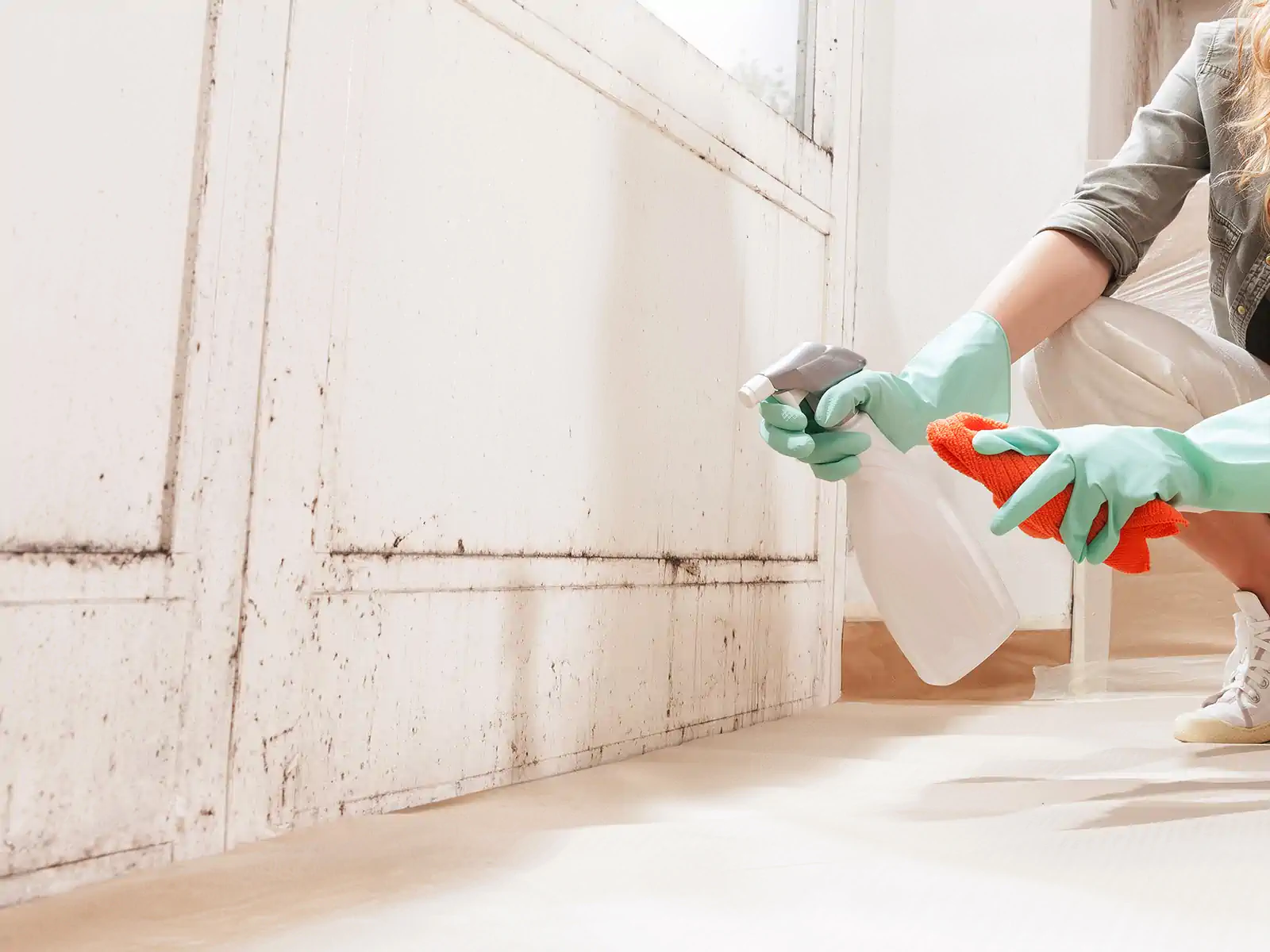
Too much humidity causes a different kind of discomfort. Moist air leads to condensation on windows and damp spots on walls. Those damp areas are exactly what mold loves. Mold can damage your home and make allergies and asthma worse. That is why keeping humidity in check matters.
Why Alberta homes struggle with humidity
Alberta’s climate makes indoor humidity tricky year-round.
In winter, outdoor air is extremely cold and holds very little moisture. Once that air is heated indoors, humidity levels drop quickly. That is why Alberta homes often feel uncomfortably dry for long stretches of the year.
Summer brings the opposite problem. Warm days can push humidity up, especially in basements. Add fast weather changes like Chinooks, and indoor humidity can swing quickly. Most Alberta homeowners need to actively manage moisture to stay comfortable.
What humidity levels are considered safe?
Health Canada and other organizations recommend keeping indoor humidity between 30–50%.
In winter, 30–35% helps reduce condensation on windows and walls. In warmer months, 40–50% usually feels comfortable without encouraging mold.
Once humidity climbs above about 55–60%, the risk of mold and dust mites increases. When it drops below 30%, many people start to notice dry air symptoms.
How balanced humidity helps you & your home
Easier breathing
Balanced humidity helps keep the lining of your nose and throat moist. That makes it easier for your body to trap and clear germs. Research also shows some viruses don't survive as well in mid-range humidity.
Everyday comfort
Air that is not too dry or too damp simply feels better. Skin feels less tight. Throats and eyes stay more comfortable.
Protecting wood and finishes
Wood floors, trim and even musical instruments need some moisture in the air. Very dry air can cause cracking, shrinking or splitting.
Lower mold risk
Keeping humidity below 50–60% makes mold much less likely to grow.

How to check your home’s humidity
You don't have to guess.
A small hygrometer gives you a clear answer. These devices are affordable and easy to use. Place one in your main living area and one near bedrooms. Check readings in the morning and evening for about a week. You will quickly see patterns.
Many smart thermostats also show indoor humidity if you have one installed.
Ways to add humidity during dry Alberta winters
Whole-home humidifiers
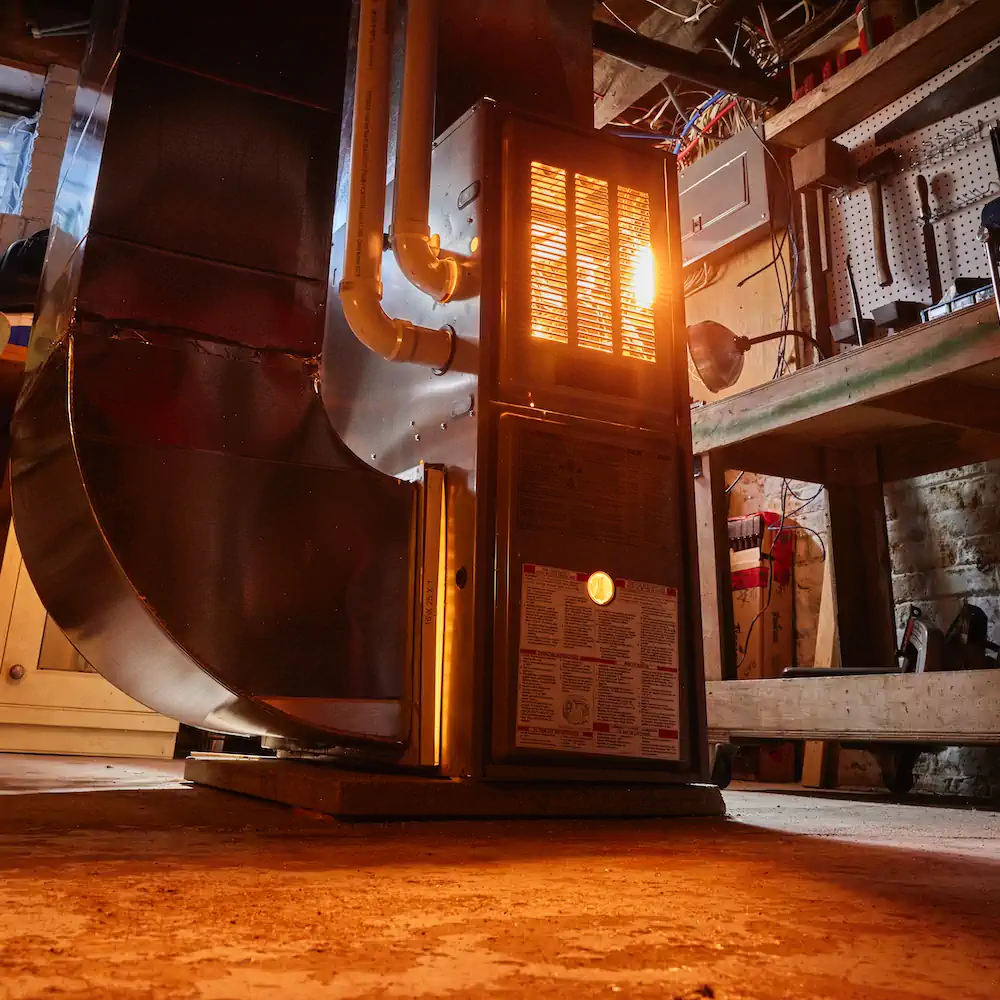
These connect to your furnace and add moisture evenly throughout the house. For many homeowners, they are the easiest long-term solution.
Portable humidifiers
Great for bedrooms or home offices. Just remember to refill and clean them often. Dirty humidifiers can spread bacteria or mold.
Small everyday changes
Drying a load of laundry indoors or placing bowls of water near safe heat sources can gently boost humidity. Keep an eye on your hygrometer so levels stay in range.
Ways to reduce humidity in summer or damp areas
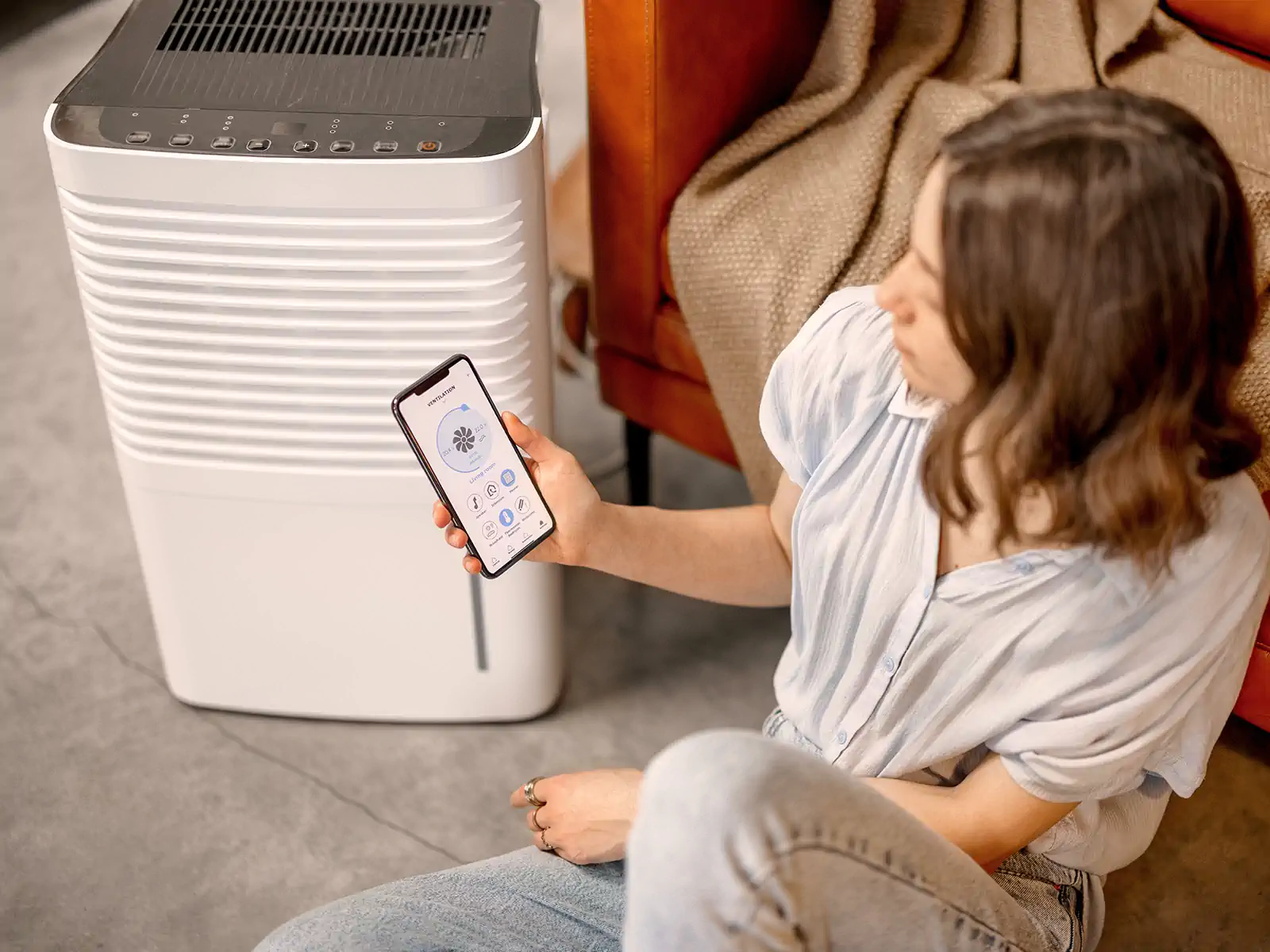
Dehumidifiers
Portable or whole-home dehumidifiers pull moisture out of the air. They are especially helpful in basements.
Use exhaust fans
Run bathroom fans during showers and kitchen fans while cooking. Make sure clothes dryers vent outside.
Keep water away from your foundation
Fix plumbing leaks quickly. Clean gutters and downspouts. Make sure water drains away from your home.
Ventilation in Alberta homes
Modern homes are built tighter to save energy. That is good for heating bills, but it also means moisture can build up or drop too low.
Heat recovery ventilators and energy recovery ventilators bring in fresh air while keeping heat inside. When set up properly, they help manage humidity and improve indoor air quality. Every home is different, so learning how your system works or talking to a professional can make a big difference.
A quick checklist for Alberta homeowners
- Track your humidity with a hygrometer for a week.
- In winter, aim for 30–35%. In summer, aim for 40–50%.
- Use humidifiers during very dry months and clean them regularly.
- Use dehumidifiers or exhaust fans in damp areas.
- If condensation keeps returning, consider a ventilation or energy assessment.
Home humidity FAQs for Alberta homeowners
What is the ideal humidity level for a home in Alberta?
Most experts recommend 30–50% relative humidity. In winter, aim for 30–35%. In summer, 40–50% usually feels best.
Why does my home feel so dry in winter?
Cold outdoor air holds very little moisture. Once it is heated indoors, humidity drops sharply. This is common in Alberta.
Is low humidity bad for my health?
Low humidity can dry out your nose, throat, skin and eyes. It can also increase static shocks and make respiratory irritation worse for some people.
Can high humidity damage my home?
Yes. Humidity above 55–60% can cause condensation, mold growth and damage to walls, windows and finishes.
Do I need a humidifier in Alberta?
Many Alberta homes benefit from humidifiers in winter. Whole-home systems offer the most even results. Portable units work well for individual rooms when cleaned regularly.
How do I lower humidity if my basement feels damp?
Use a dehumidifier, run exhaust fans and make sure water drains away from your foundation.
How can I tell if my humidity is too high or too low?
A hygrometer gives the clearest answer. Dry air causes irritation and static. Damp air causes condensation, musty smells, and mold.
One last thing
Humidifiers and dehumidifiers only work well when they are maintained. Clean filters and water tanks as recommended. Too much moisture can invite mold. Too little can affect comfort and health.
If you are not sure what your home needs, an HVAC professional can measure humidity and recommend solutions that work with Alberta’s climate.
Seeing mold already? ATCO Energy offers mold remediation and removal services in Alberta. Booking early can help prevent bigger issues later.





.jpg)