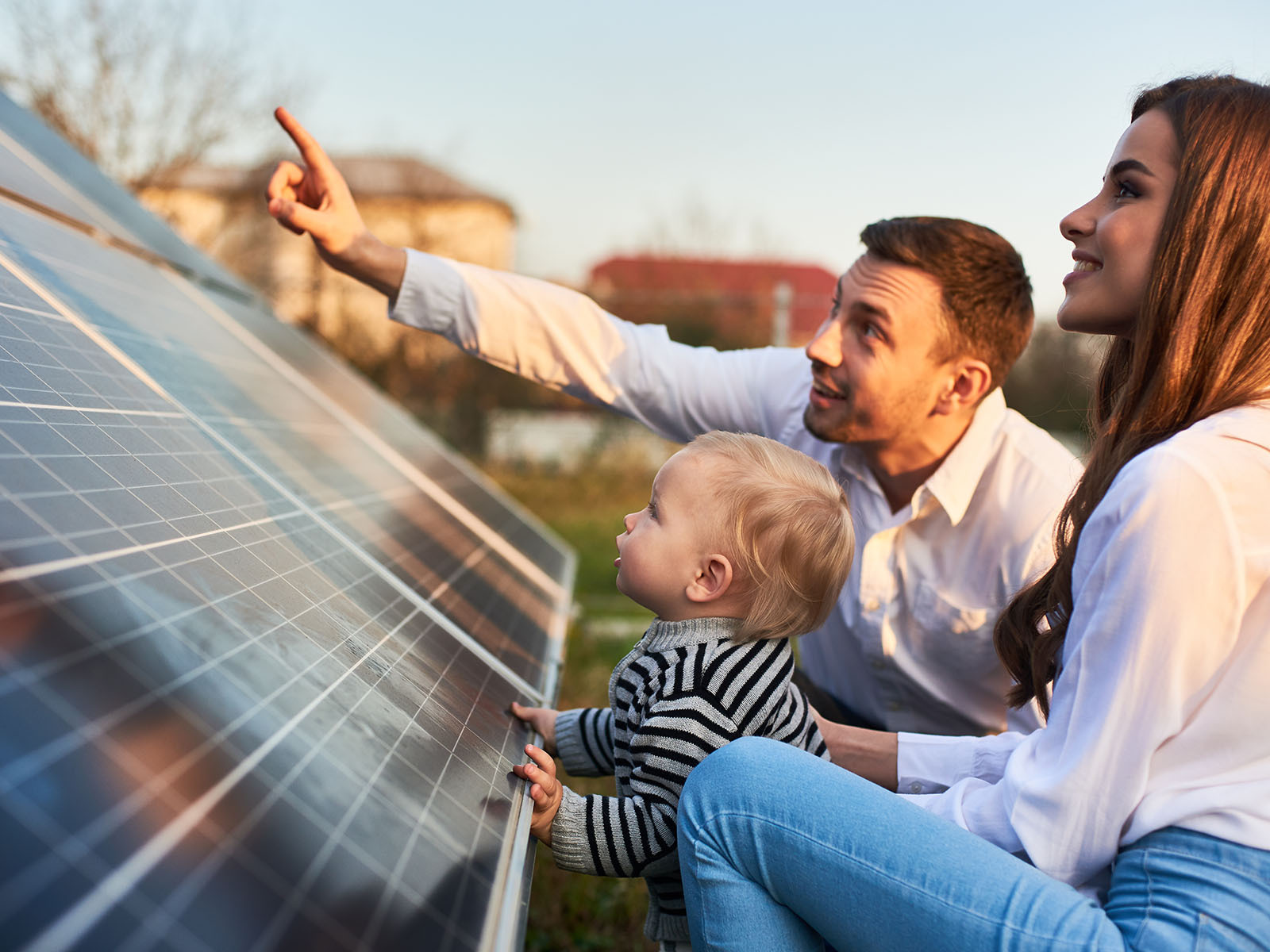
Most people don’t start with solar. They start with a high energy bill, a sunny afternoon, and a quick search that turns into a bit of a rabbit hole.
Because once you notice how much sun Alberta actually gets, especially in those long summer days where it feels like the sun barely sets, the idea of getting solar panels starts to stick.
But before you picture panels and lower bills, it’s worth pausing for a second. Solar isn’t just something you add to your roof and call it a day. Your home needs to be ready for it.
Why solar readiness matters
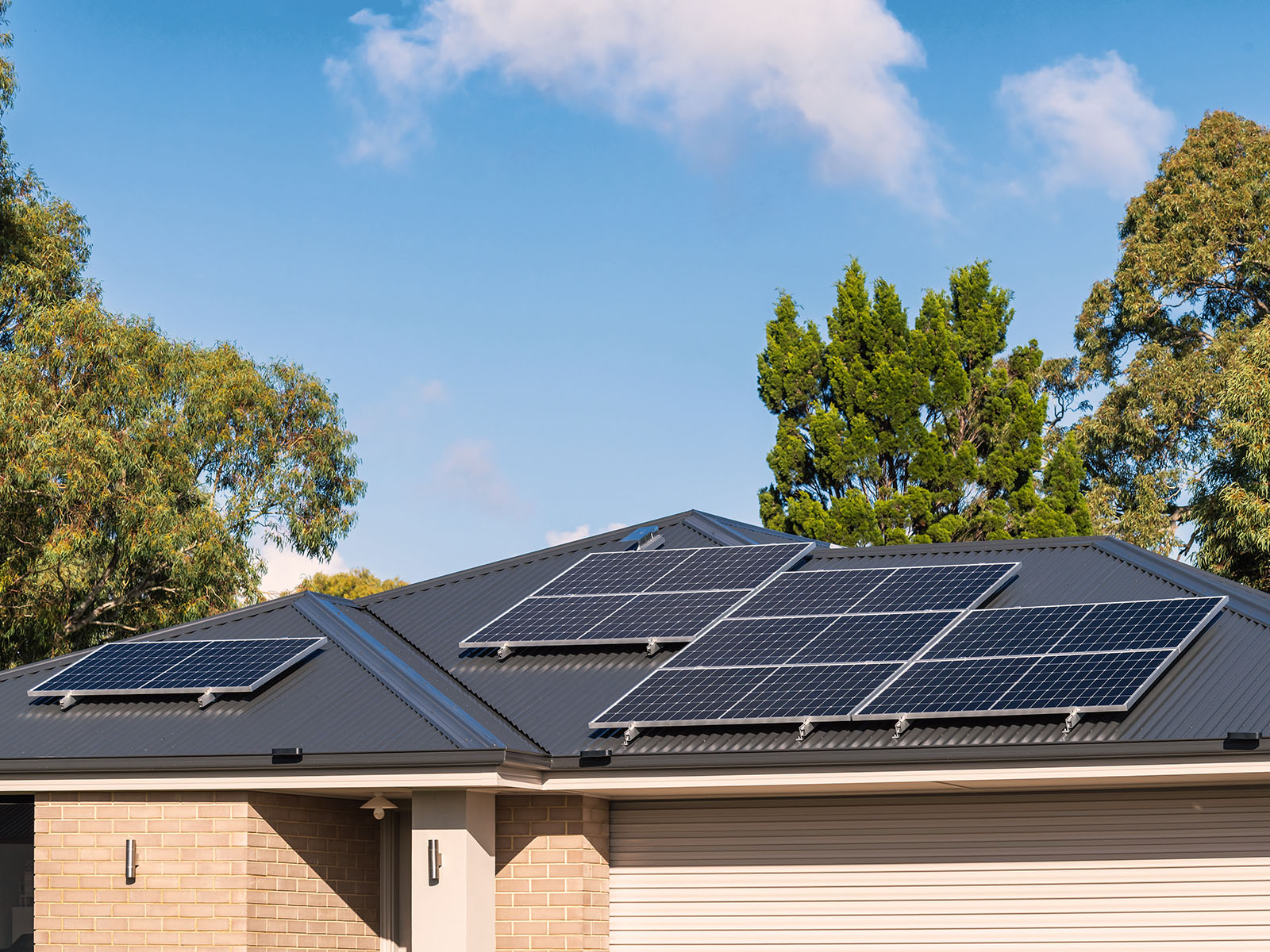
Your roof, your electrical setup, and even how your home is positioned all play a role in how well a system performs. Getting this right upfront can mean:
- Better energy production
- Faster payback on your investment
- Fewer surprises during installation
Skip this step, and you might run into fixes later that aren’t exactly fun to deal with.
New to solar energy? Read the full guide here.
We’ve put together a solar readiness checklist that walks you through what actually matters, what to look for, and where it makes sense to get a bit of expert help along the way.
1. Roof age and condition
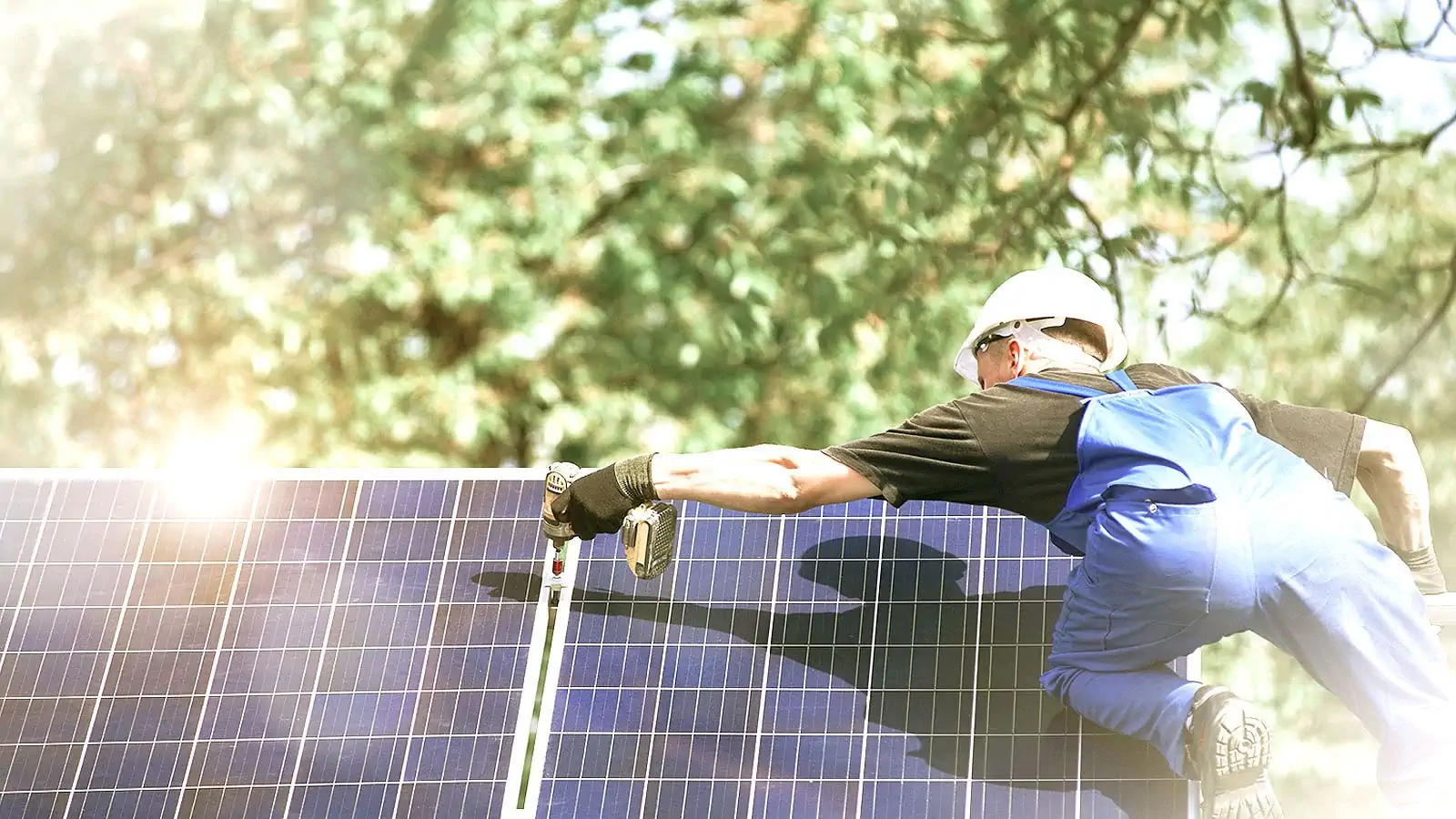
Let’s start with the obvious one: your roof. If it’s nearing the end of its lifespan, installing solar panels now could mean paying to remove and reinstall them later. That’s an expense you definitely want to avoid.
What to check:
- Roof age (ideally less than 10–15 years old)
- Roof structure and load capacity
- Overall condition, including shingles or materials
- Available space for panels
- Any past structural issues
- Type of roofing material
South-facing roofs tend to perform best, but east and west can still work well in Alberta.
If you’re unsure about your roof condition and structure, this is typically assessed during a professional site visit for solar installation, so you don’t need to figure it all out on your own.
2. Sun exposure
Alberta gets a surprising amount of sunshine, even in winter. But not every roof gets equal access to it.
Trees, neighbouring homes, chimneys, and even roof angles can affect how much sunlight reaches your panels.
Ask yourself:
- Is your roof shaded for large parts of the day?
- Are there obstructions nearby that could grow or change over time?
- Which direction does your roof face?
A little shade isn’t a dealbreaker, but heavy shading can significantly impact how much energy your system produces.
3. Electrical panel capacity
This is where things get a bit technical, but it’s usually simpler than it sounds.
Your electrical panel needs enough capacity to safely integrate a solar system. If it’s older or already maxed out, you might need an upgrade.
Look into:
- Panel amperage (100A vs 200A is a common consideration)
- Available breaker space
- Overall condition of your electrical system
If upgrades are needed, they’re usually straightforward and can be bundled into your overall solar project.
4. Energy usage
Solar works best when it’s sized to your home’s real energy needs.
Take a look at your past energy bills and ask:
- How much electricity do you use month to month?
- Are there seasonal spikes?
- Are you planning any changes, like EV charging or adding A/C?
This helps determine how many panels you’ll need and how much of your usage you can realistically offset.
If you’re already with ATCO Energy, this part gets easier since your usage data is already tracked and accessible in My Account.
5. Permits and regulations
Solar in Alberta comes with a bit of paperwork, but nothing overwhelming.
You’ll typically need:
- Municipal permits
- Utility approvals
- Connection agreements
The process varies slightly depending on your location, but a good installer will handle most of this for you.
This is where working with a provider like ATCO Energy to install solar panels makes a big difference. Instead of juggling paperwork yourself, you have a team that knows the local requirements and keeps things moving without you having to chase it all down.
6. Budget and incentives
Let’s talk numbers. Solar is an upfront investment, but there are incentives and financing options that can make it more accessible.
What to factor in:
- Installation costs
- Available rebates or programs
- Long-term savings on energy bills
In Alberta, the conversation isn’t just about cost. It’s about predictability. Generating your own energy can help stabilize part of your bill over time, which is something a lot of homeowners value.
7. Choosing the right installer
Not all solar installations are created equal.
The right partner will:
- Assess your home properly
- Design a system tailored to your needs
- Handle permits and approvals
- Support you after installation
ATCO Energy’s solar panel installation service is built around that full-service approach. You’re not piecing things together yourself. You’ll work with a team that handles the full process, which tends to make everything a lot smoother.

Recap on solar readiness checklist
If you want the short version, here’s your at-a-glance checklist:
- Your roof is in good condition and has enough space
- Your home gets solid sun exposure throughout the day
- Your electrical panel can support a solar system
- You understand your energy usage patterns
- You’re aware of permits and local requirements
- You’ve considered budget and incentives
- You’re working with a trusted solar installer
If you’re missing one or two, that’s normal. Most homes aren’t perfect right out of the gate.
So... is your home ready for solar?
Solar isn’t just for brand-new homes or perfect conditions. A lot of Alberta homes are already good candidates. And even if you’re not quite there yet, most of the gaps are fixable.
The key is knowing where you stand before you start.
The easiest next step is a professional assessment. ATCO Energy can help you understand your home’s solar potential, walk you through your options, and handle the process from start to finish.
Frequently asked questions about solar readiness
How do I know if my home is suitable for solar panels in Alberta?
Start with your roof, sunlight exposure, and electrical panel. If those are in good shape, there’s a strong chance your home is a good candidate.
Do solar panels work well in Alberta’s winter?
Yes. Solar panels still generate electricity in cold temperatures and can perform efficiently even with snow, especially on sunny winter days.
What direction should my roof face for solar panels?
South-facing roofs are ideal, but east- and west-facing roofs can still produce strong results in Alberta.
Will I need to upgrade my electrical panel for solar?
Not always, but older or fully utilized panels may need an upgrade to support a solar system safely.
How long do solar panels last?
Most solar panels last 25 years or more, with gradual decreases in efficiency over time.
Does ATCO Energy install solar panels?
Yes. ATCO Energy offers solar panel installation services designed for Alberta homes, including assessment, design, installation, and ongoing support.
Is solar worth it in Alberta?
For many homeowners, yes. With strong sunlight, rising energy awareness, and long-term savings potential, solar can be a smart investment depending on your home and usage.