


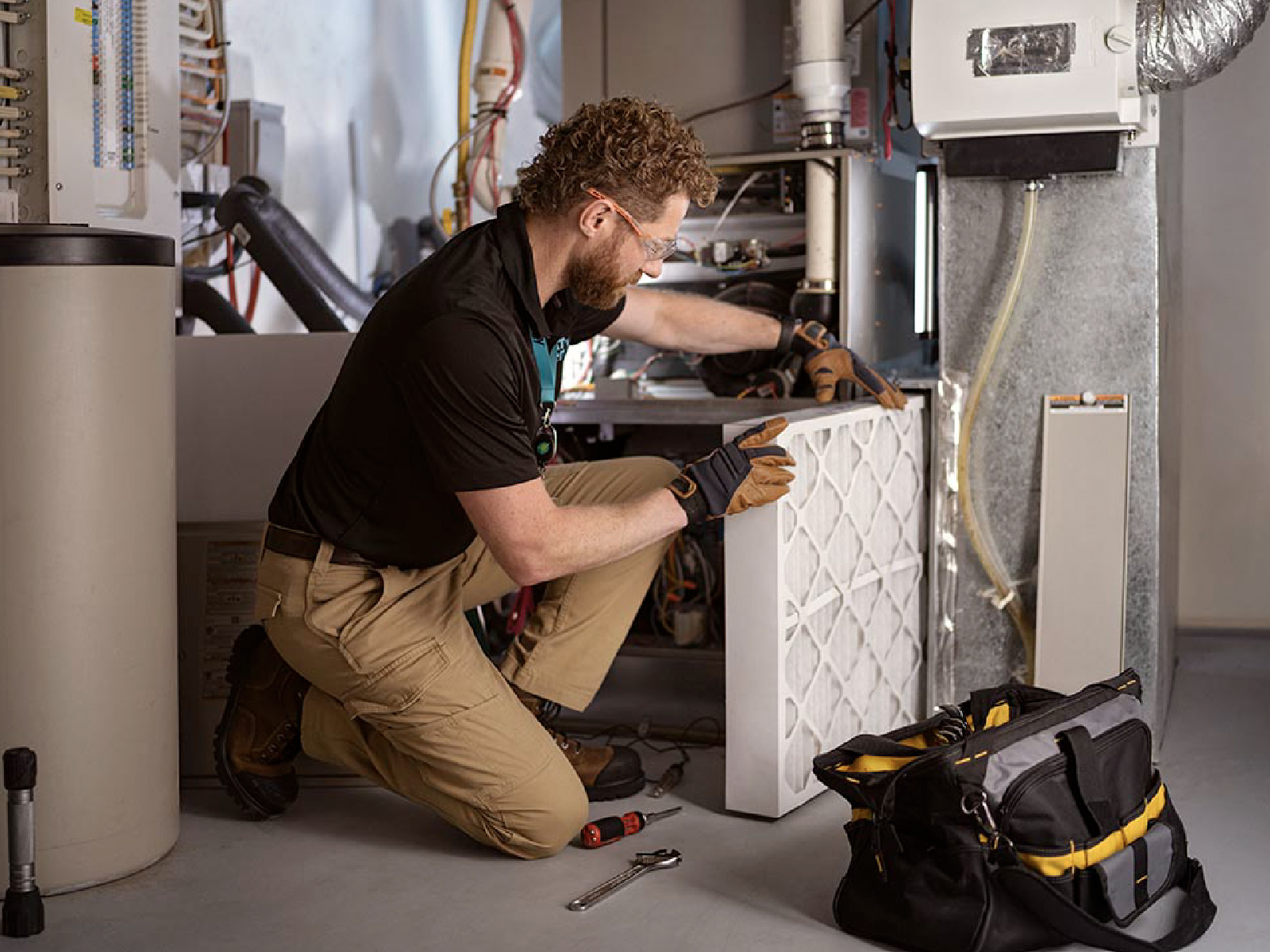
Your furnace does more than keeping your home warm. It plays a major role in how much energy you use and how much you pay every month.
Understanding furnace efficiency can help you make smarter decisions for comfort, costs, and long-term savings.
Why furnace efficiency matters more than you think
When winter hits in Alberta, your furnace becomes one of the hardest-working systems in your home. It can run for hours every day, quietly burning fuel to keep your living space comfortable. But did you know not all furnaces use energy the same way?
Two homes can feel equally warm, yet one homeowner pays significantly more on their energy bill. Often, the difference comes down to furnace efficiency.
Put simply, furnace efficiency measures how much of the energy your furnace uses actually turns into heat for your home versus how much is wasted.
What furnace efficiency actually means
Furnace efficiency is usually measured using AFUE (Annual Fuel Utilization Efficiency). It’s shown as a percentage.
- 80% AFUE means 80% of the fuel becomes usable heat, while 20% is lost.
- 95% AFUE means 95% of the fuel heats your home, with very little waste.
Older furnaces typically fall in the 60–80% range. A modern high-efficiency furnace usually operates at 90–98% AFUE.
That gap adds up fast, especially during long, cold winters.
How an inefficient furnace increases your energy use
If your furnace isn’t efficient, it has to work harder and run longer to maintain the same indoor temperature. That means:
- More fuel burned
- Longer run times
- Higher monthly energy bills
- More wear and tear on components
Over time, even a small efficiency difference can translate into hundreds of dollars in extra energy costs.
Here’s where inefficiency often shows up:
- Heat escaping through the exhaust instead of staying in your home
- Older burners or heat exchangers that don’t transfer heat effectively
- Short cycling, where the furnace turns on and off frequently
- Poor airflow, forcing the system to overcompensate
Pro tip: Changing your furnace filter regularly is one of the simplest ways to protect efficiency. A clogged filter restricts airflow, making your furnace work harder than it should.
What makes a high-efficiency furnace different?
A high-efficiency furnace is designed to capture and reuse heat that older systems waste.
Key features usually include:
- Secondary heat exchangers that extract extra heat from exhaust gases
- Sealed combustion, which improves safety and performance
- Variable-speed blowers that adjust airflow more precisely
- Condensing technology, where heat from water vapour is reused instead of vented outdoors
The result? More heat stays inside your home, using less fuel to do it. That efficiency doesn’t just lower energy use—it also helps deliver more consistent comfort.

Signs your furnace may be hurting your energy efficiency
Not sure where your furnace stands? Watch for these common red flags:
- Heating bills increasing year over year
- Furnace running constantly but home still feels chilly
- Uneven temperatures between rooms
- Loud or unusual noises during operation
- A furnace that’s over 15 years old
Any of these can indicate your system is using more energy than it should.
The role of furnace tune-ups in efficiency
Even the best furnace can lose efficiency over time without proper care. Dust buildup, worn components, and airflow issues all force your system to use more energy than necessary.
A regular furnace tune-up helps by:
- Cleaning burners and heat exchangers
- Checking airflow and blower performance
- Ensuring safe, efficient combustion
- Catching small issues before they become energy-draining problems
If you prefer a set-it-and-forget-it approach, an HVAC maintenance plan can make staying on top of tune-ups easier. These plans typically include annual furnace maintenance, system safety checks, and ongoing support—helping your heating system run efficiently year after year without having to remember to book each visit.
When furnace installation becomes the better option
If your furnace is more than 15–20 years old, tune-ups can only go so far. At a certain point, efficiency gains from maintenance are limited by outdated design.
A new high-efficiency furnace installation can dramatically reduce energy use if:
- Your current system has a low AFUE rating
- Repairs are becoming frequent or costly
- Your home struggles to stay warm evenly
- Energy bills keep rising despite maintenance
While installation is a bigger upfront decision, the long-term energy savings, improved comfort, and reliability often outweigh the costs.

When it helps to get a second set of eyes
If your furnace seems to be running more than it used to or your energy bills keep creeping up, it might be time for a closer look. Many homeowners across Alberta book regular furnace tune-ups to keep things running efficiently and avoid surprises during the coldest months.
And when it’s time to think about upgrading to a high-efficiency furnace, having expert guidance can make the decision feel a lot easier.
At ATCO Energy, we help take care of your home with 40+ services that support comfort, efficiency, and peace of mind all year long.
FAQs about furnace efficiency
Q: What is considered a high-efficiency furnace?
A: A high-efficiency furnace typically has an AFUE rating of 90% or higher, meaning most of the fuel it uses is converted into heat for your home rather than lost through the exhaust. These furnaces often use condensing technology and secondary heat exchangers to capture heat that older systems waste.
Q: Does a high-efficiency furnace really lower energy bills?
A: In many cases, yes. High-efficiency furnaces use less fuel to produce the same amount of heat, which can lower overall energy use during the heating season.
Q: How much efficiency do furnaces lose over time?
A: Furnaces can lose efficiency gradually as components wear, dust builds up, and airflow becomes restricted. Without regular maintenance, a system may operate below its original efficiency level, causing it to use more energy to maintain the same comfort.
Q: Can a furnace tune-up improve efficiency?
A: A furnace tune-up won’t change the original efficiency rating of a system, but it can help it run closer to its intended performance. Cleaning, airflow checks, and combustion adjustments all help reduce unnecessary energy use and keep the system running smoothly.
Q: How long does a high-efficiency furnace last?
A: Most high-efficiency furnaces last between 15 and 20 years, depending on usage, maintenance, and installation quality. Regular tune-ups can help maintain efficiency and extend the lifespan of the system over time.
Q: Is it better to repair or replace an older furnace?
A: If a furnace is over 15 years old, requires frequent repairs, or struggles to heat the home evenly, replacement may be more cost-effective than ongoing fixes. In these cases, a high-efficiency furnace installation can improve comfort while reducing long-term energy use.
Q: Will a high-efficiency furnace work in an older home?
A: Yes. High-efficiency furnaces can work well in older homes when properly installed and supported by adequate airflow and insulation. In many cases, they improve comfort and efficiency even without major home upgrades.
Q: What’s the easiest way to improve furnace efficiency right now?
A: Simple steps like changing your furnace filter regularly, keeping vents clear, and scheduling routine maintenance can help improve efficiency. These small actions reduce strain on your furnace and help it use energy more effectively.






.jpg)