Energy bills can look a little intimidating at first.
There are numbers everywhere, several types of charges, and terms that aren’t always obvious. If you’ve just moved into a new home or switched energy providers, it’s normal to glance at your bill and wonder what exactly you’re looking at.
Once you know what each section represents, though, it starts to make sense. Most energy bills come down to three things: the energy you used, the cost of delivering it to your home, and a few government fees.
Here’s how to understand what you’re seeing on your bill and how to use that information to keep track of your energy use.

Know what type of energy your home uses
In Alberta, homes typically run on one of two setups:
- Electricity only – Common in some condos and apartments.
- Electricity and natural gas – Most detached homes and townhouses use both. Electricity powers lighting and appliances, while natural gas is usually used for heating, hot water, or cooking.
If you’re not sure what your home uses, there are a few easy ways to check:
1. Enter your address when signing up for energy
When you sign up with ATCO Energy, entering your address during checkout shows which utilities are available at your property.
2. Look at a previous energy bill
If you have an old bill from the address, it will clearly show which services the home uses.
3. Check with your local energy distributor
You can visit UCA Helps, enter your postal code, and find your local distributor. They can confirm whether your home uses electricity, natural gas, or both.
Knowing which utilities your home uses is the first step to understanding the charges on your bill.

The three main parts of your energy bill
When you first open an energy bill, it can look more complicated than it really is. Most Alberta bills are organized into three main sections.
1. Retailer charges
Retailer charges come from the company you choose to supply your energy, such as ATCO Energy.
This section shows details about your energy plan and your usage for the billing period. You’ll typically see:
- Your plan type
- The amount of electricity or natural gas you used
- The rate you pay per unit of energy
- The total cost for that usage
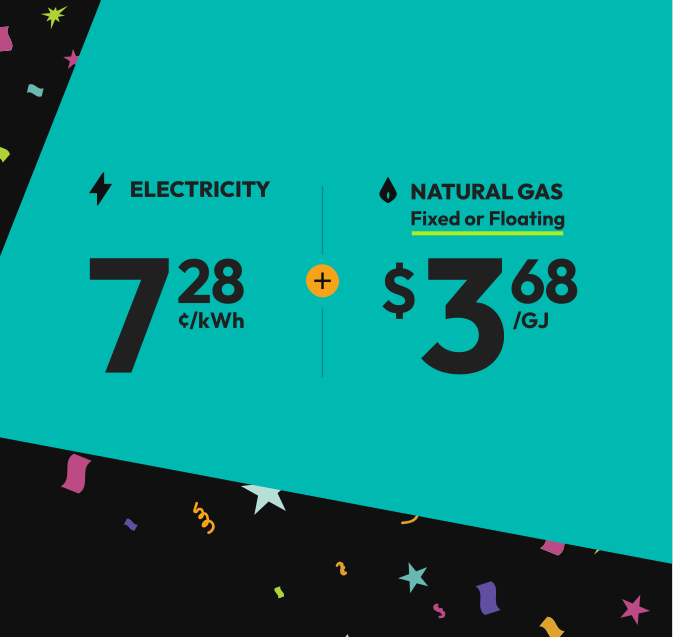
If you’re on a fixed rate plan, your energy price stays the same for the length of your contract. If you’re on a floating rate plan, the price can change from month to month based on market conditions.
2. Distributor charges
Distributor charges cover the cost of getting energy to your home.
In Alberta, distribution companies are responsible for the infrastructure that delivers electricity and natural gas. That includes maintaining power lines, gas pipelines, and meters, as well as repairing equipment and keeping the system running safely.
These charges often include things like:
- Delivery or transmission fees
- Infrastructure maintenance
- Meter reading and system operations
Unlike retailers, distributors aren’t something you choose. The distributor serving your home is determined by your location, and it stays the same regardless of which energy retailer you sign up with.
3. Government and municipal fees
The final section on your energy bill includes taxes and fees required by government or municipal authorities.
Two common ones you’ll see are:
- GST (Goods and Services Tax)
- Local Access Fee (LAF) charged by your municipality
These are standard fees applied to energy services and are not controlled by your retailer.
How to track your energy usage
One of the most useful parts of your energy bill is the usage history.
Most energy providers allow you to log into your account and see how much electricity or natural gas you’ve used each month. Seeing those numbers over time can reveal patterns in how your home consumes energy.
For example:
- Natural gas usage usually rises in winter when your furnace runs more often
- Electricity use may increase in summer if air conditioning is running regularly
- Changes in household routines, guests, or new appliances can also affect usage
Checking these trends occasionally can help you understand what’s driving changes in your bill.
Using your bill to manage energy costs
Once you understand how your bill works, it becomes a useful tool for managing energy costs.
A few simple habits can help keep usage under control:
- Turning off lights and electronics when they’re not in use
- Running major appliances during off-peak times if possible
- Using programmable thermostats to manage heating and cooling
- Checking monthly usage trends to catch changes early
Small adjustments can add up over time, especially during high-usage seasons like winter.
FAQs about reading an energy bill in Alberta
Why does my energy bill change every month?
Energy use often changes with the seasons. Heating in winter and cooling in summer can increase usage, and floating energy rates can also vary month to month.
What’s the difference between an energy retailer and a distributor?
Your retailer is the company you choose for your energy plan, such as ATCO Energy.
Your distributor maintains the infrastructure that delivers electricity or natural gas to your home.
Why do I still pay distributor charges if I choose a retailer?
Distributor charges cover the cost of maintaining the local energy system. Those costs apply regardless of which retailer you choose.
How can I lower my energy bill?
Monitoring your usage, improving home efficiency, and making small changes to energy habits can help reduce overall consumption and costs.