Keeping your home comfortable shouldn’t feel like a constant battle with your energy bill. But for many homeowners, that monthly statement can be a bit of a mystery. Why is it suddenly higher? Is something running inefficiently? And most importantly, what can you actually do about it?
You don’t need a renovation, a brand-new heating system, or a full home overhaul to make your home more efficient. The secret to reducing your energy bills often comes down to a handful of simple home services.
Whether you rent or own, live in an older home or a newer build, these services can help your home run smarter, not harder.
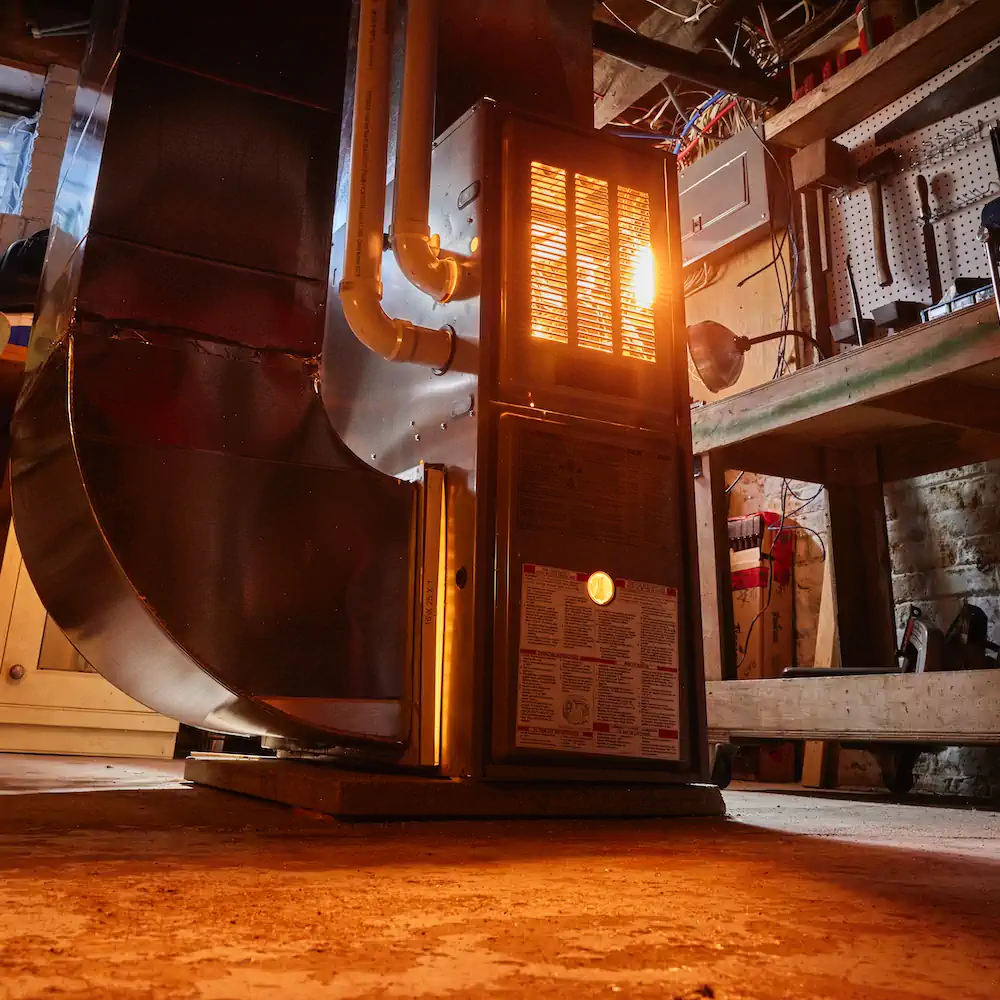
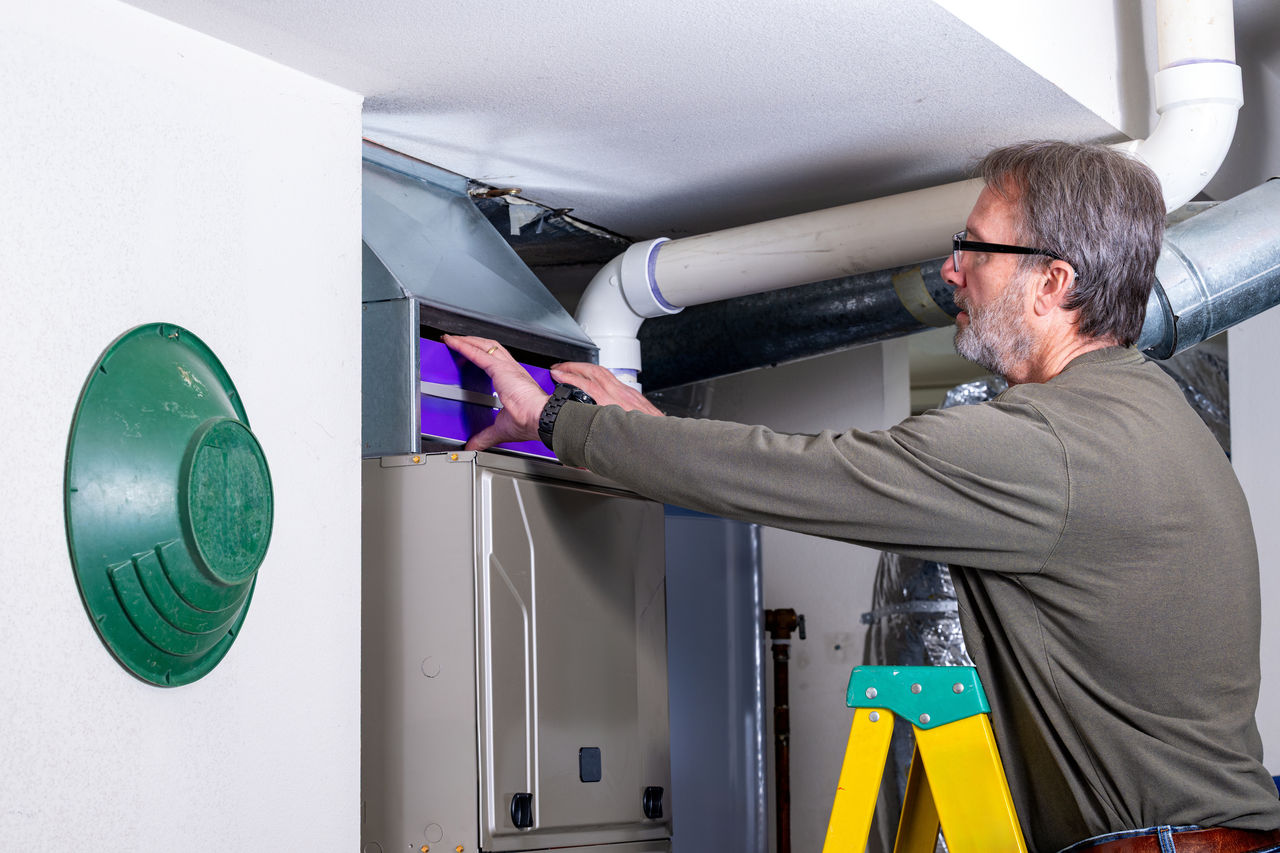
1. Furnace and A/C tune-ups
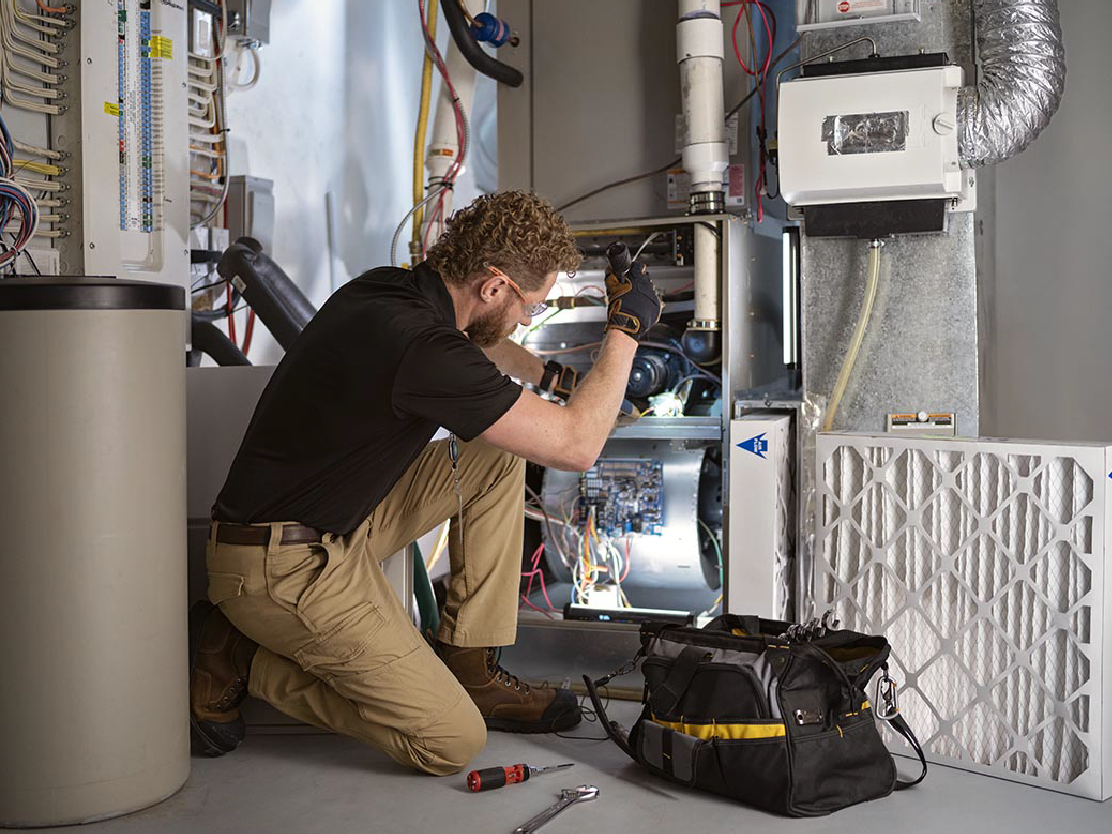
Your heating and cooling system does most of the heavy lifting in your home. When it’s running smoothly, everything feels easier and costs less. When it’s struggling? You’ll feel it in both your comfort and your bill.
A professional tune-up can:
- Improve system efficiency
- Reduce how long your furnace or A/C needs to run
- Catch small issues before they turn into expensive repairs
- Help airflow travel more evenly through your home
- Extend the lifespan of your system
Think of furnace and A/C tune-ups like taking your car in for routine maintenance. A little care now prevents major problems later, while keeping your energy use in check every day.
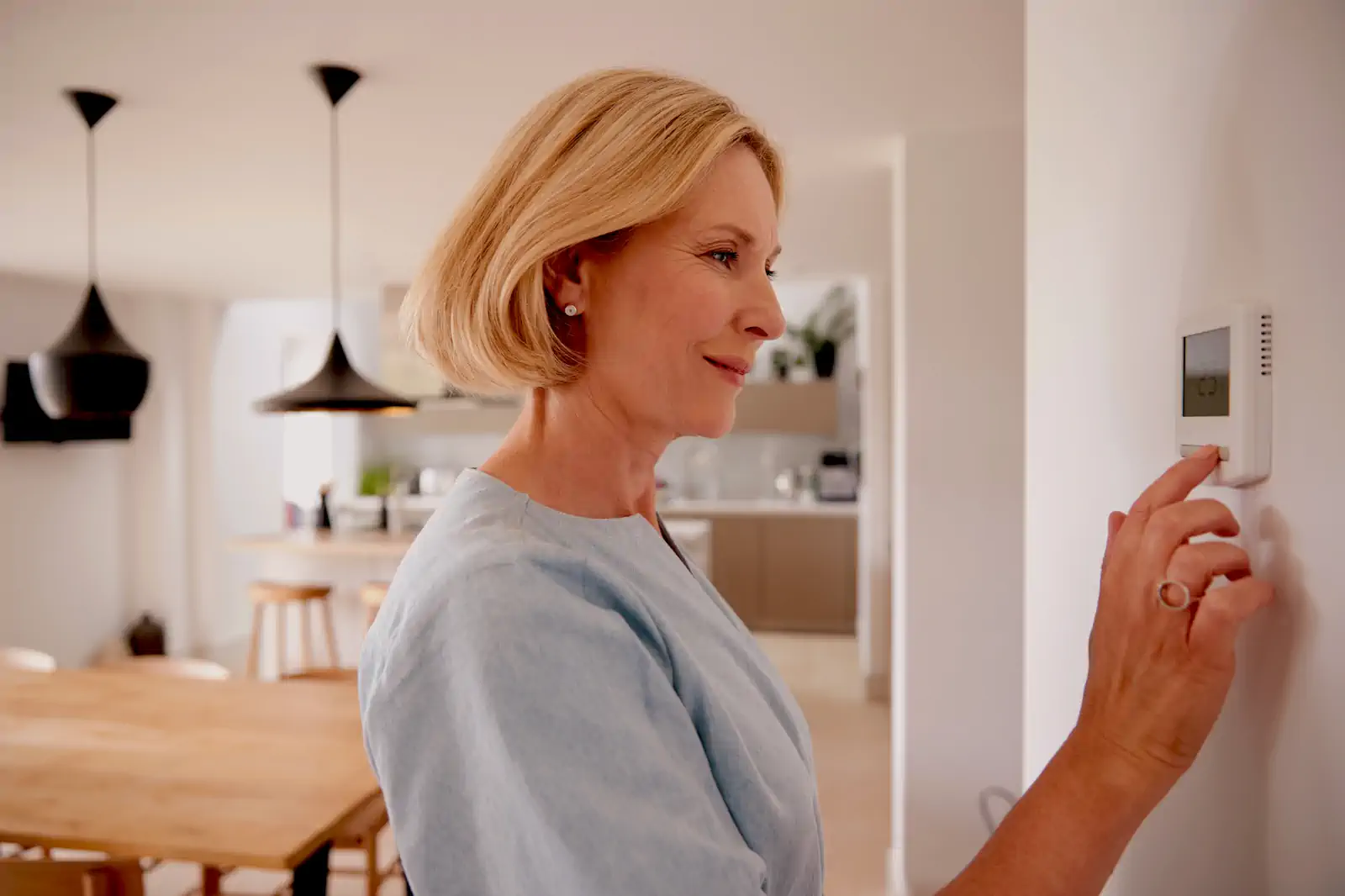
2. Smart thermostat installation
This is one of the easiest home upgrades with the biggest payoff. Smart thermostats learn your daily routine and make energy-saving adjustments automatically.
Benefits of smart thermostats include:
- Better temperature control
- Fewer hours of unnecessary heating or cooling
- Remote control from your phone
- Alerts if something isn’t working right
- Insights into your energy use
Smart thermostats work year-round, quietly trimming your energy use without you having to lift a finger.
3. Hot water tank upgrade
Heating water uses more energy than most people realize. If your tank is older or is losing efficiency, it works harder and costs more to deliver the same amount of hot water.
A quick inspection or upgrade can help:
- Reduce heat loss
- Lower natural gas or electricity use
- Avoid unexpected mid-shower cold spells
- Extend the life of your tank
If your hot water tank is more than 8–10 years old or showing signs of wear and tear, it's overdue for an upgrade.
4. Plumbing repair
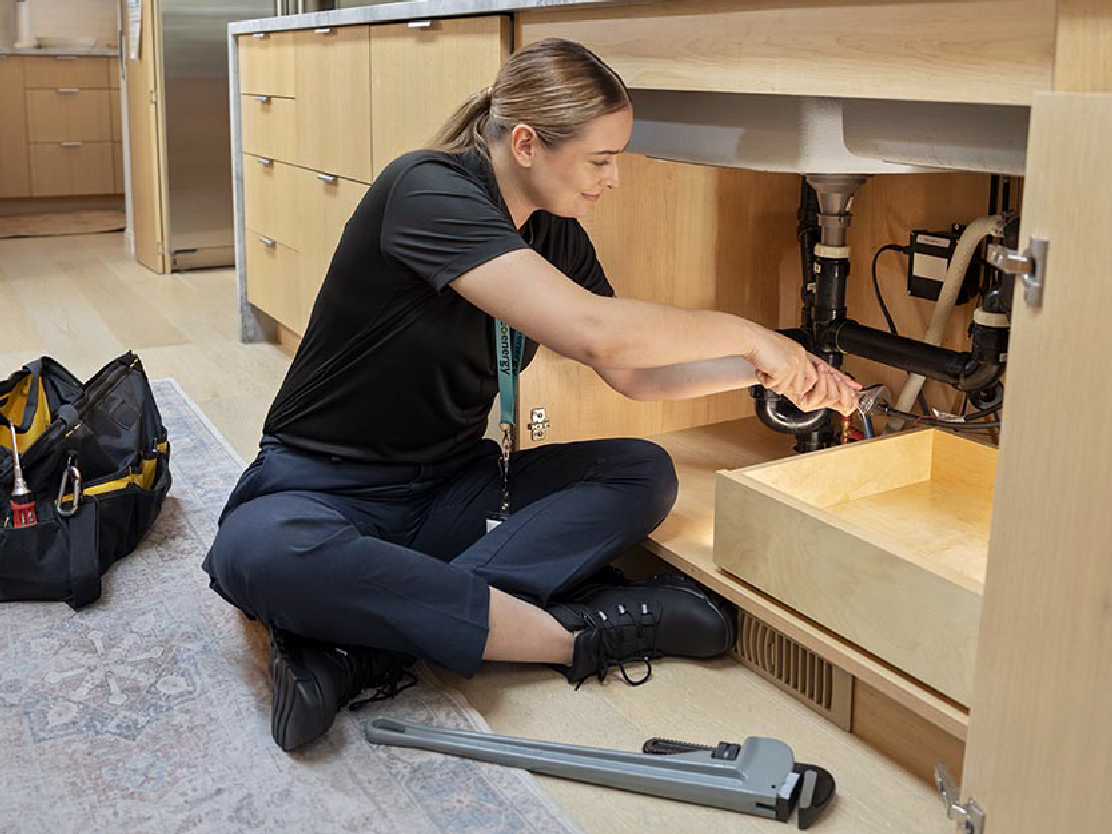
A dripping faucet, a running toilet, or a small leak might seem harmless. But over time, they waste both water and the energy used to heat it.
Plumbing fixes can help:
- Reduce water heating costs
- Prevent daily water waste
- Improve pressure and flow
- Protect your home from hidden water damage
These small repairs are quick, affordable, and can save you from costly major fixes down the road.
5. Duct cleaning
If your ducts are filled with dust, debris, or pet hair, your HVAC system has to work harder to move air throughout your home.
Duct cleaning can:
- Improve airflow and air quality
- Reduce strain on your furnace and A/C
- Even out hot and cold spots
- Lower energy use
Regular duct cleaning can instantly make your home feel cleaner and more comfortable.
6. Window and door sealing
Even tiny gaps around windows and doors let your heated or cooled air escape. Draft-proofing is an inexpensive way to keep more of your heated or cooled air inside.
Make sure you check for:
- Worn weatherstripping
- Cracked caulking
- Misaligned doors
- Seal failures
- Small insulation gaps
This simple task keeps your home at the right temperature more easily without overworking your HVAC system.
If your windows or doors are past their prime, a full replacement can greatly improve insulation and reduce energy loss year-round.
7. Appliance upgrade
Today’s appliances use far less energy than older models. Proper installation ensures they run efficiently and safely.
Upgrading your appliances can improve efficiency in several ways:
- High-efficiency dryers use less energy per cycle and shorten drying time
- Modern dishwashers and washing machines clean better while using less electricity
- Updated kitchen ranges heat more evenly and reduce unnecessary energy use
- New exhaust and venting systems support better airflow and safer operation
Pro tip: Not ready to replace an appliance? Even simple fixes, like improving dryer venting or updating a range hood, can give you noticeable energy savings.
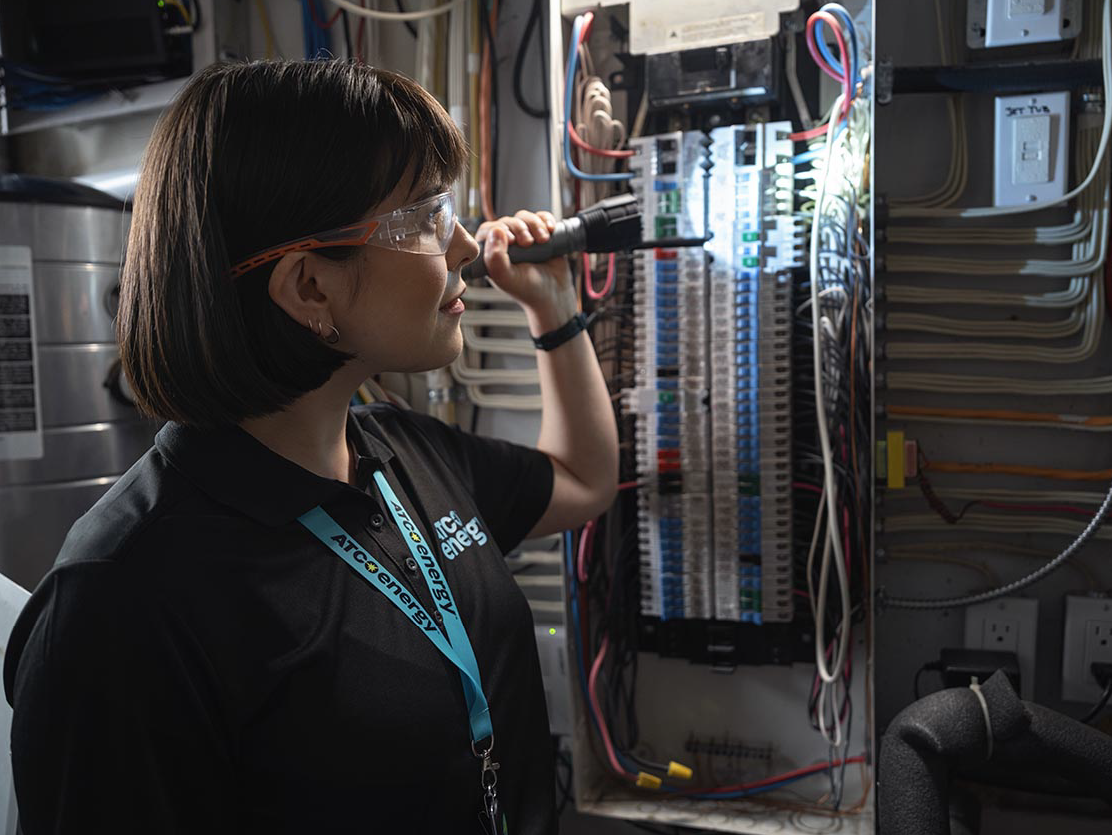
8. Electrical system upgrade
Your electrical panel powers everything in your home. If it's outdated, overloaded, or underpowered, your systems and appliances can’t run at peak efficiency.
An electrical upgrade can:
- Improve appliance performance
- Reduce wasted electricity
- Support smart home tech
- Increase safety
- Help heating and cooling systems run more efficiently

Want to make your home more efficient?
ATCO Energy Home Services offer vetted pros to handle everything you need to make your home more energy efficient.
Whether your goal is to reduce energy waste, cut energy bills, or simply feel more comfortable, we've got the perfect home services to fit your needs.
Home services & energy efficiency FAQs
Q: What home service makes the biggest impact on energy use?
A: HVAC maintenance typically has the largest impact. Your furnace and A/C use the most energy and keeping them efficient directly affects your monthly bill.
Q: Do I need a smart thermostat to save energy?
Not necessarily, but smart thermostats make it much easier. They automatically optimize your home’s heating and cooling, reducing waste without any effort on your end.
Q: How often should I get my ducts cleaned?
Most homes benefit from duct cleaning every 2–3 years. Homes with pets, allergies, or older systems may need it more frequently.
Q: Are small drafts really a problem?
Yes. Even tiny gaps let in enough outside air to make your HVAC system work harder. Draft-proofing is a quick, affordable fix with real energy benefits.
Q: Should I replace my old hot water tank even if it still works?
Older tanks can quietly waste energy. If it’s more than 8–10 years old, upgrading can improve efficiency and reduce heating costs.
Q: How do I know which service my home needs first?
Start with a furnace tune-up, A/C tune-up, or a basic home energy audit. A technician can pinpoint issues and help you prioritize the most impactful upgrades.